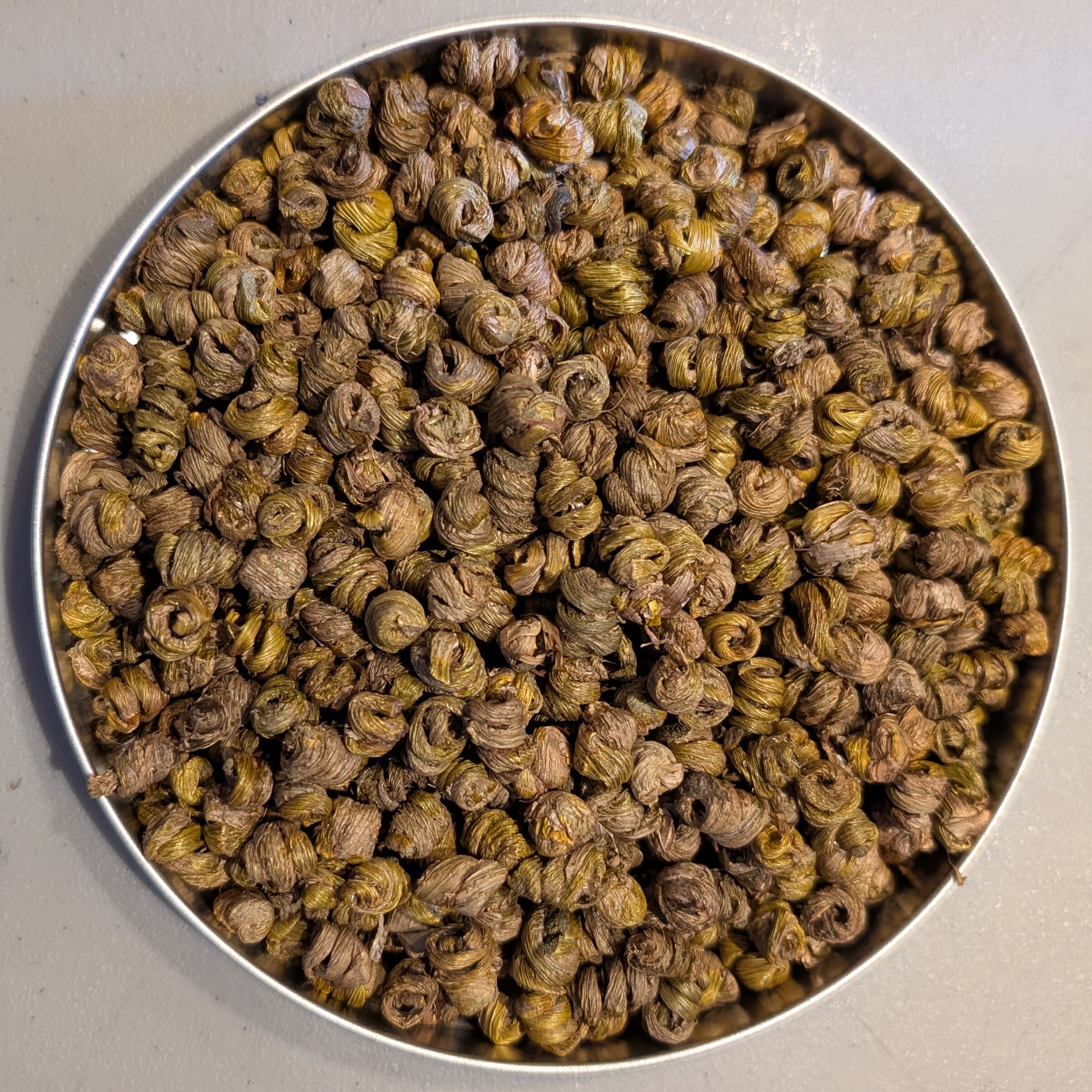
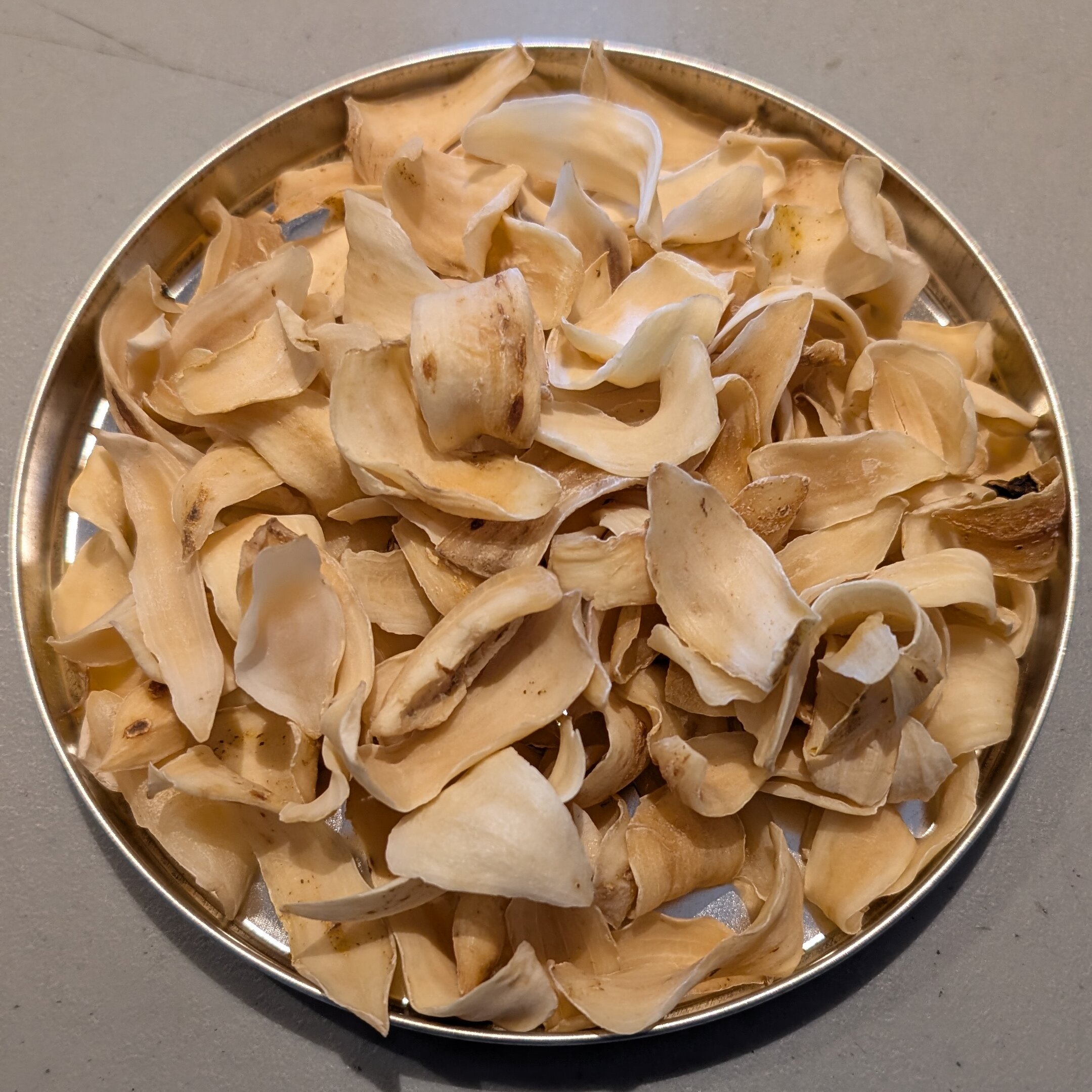
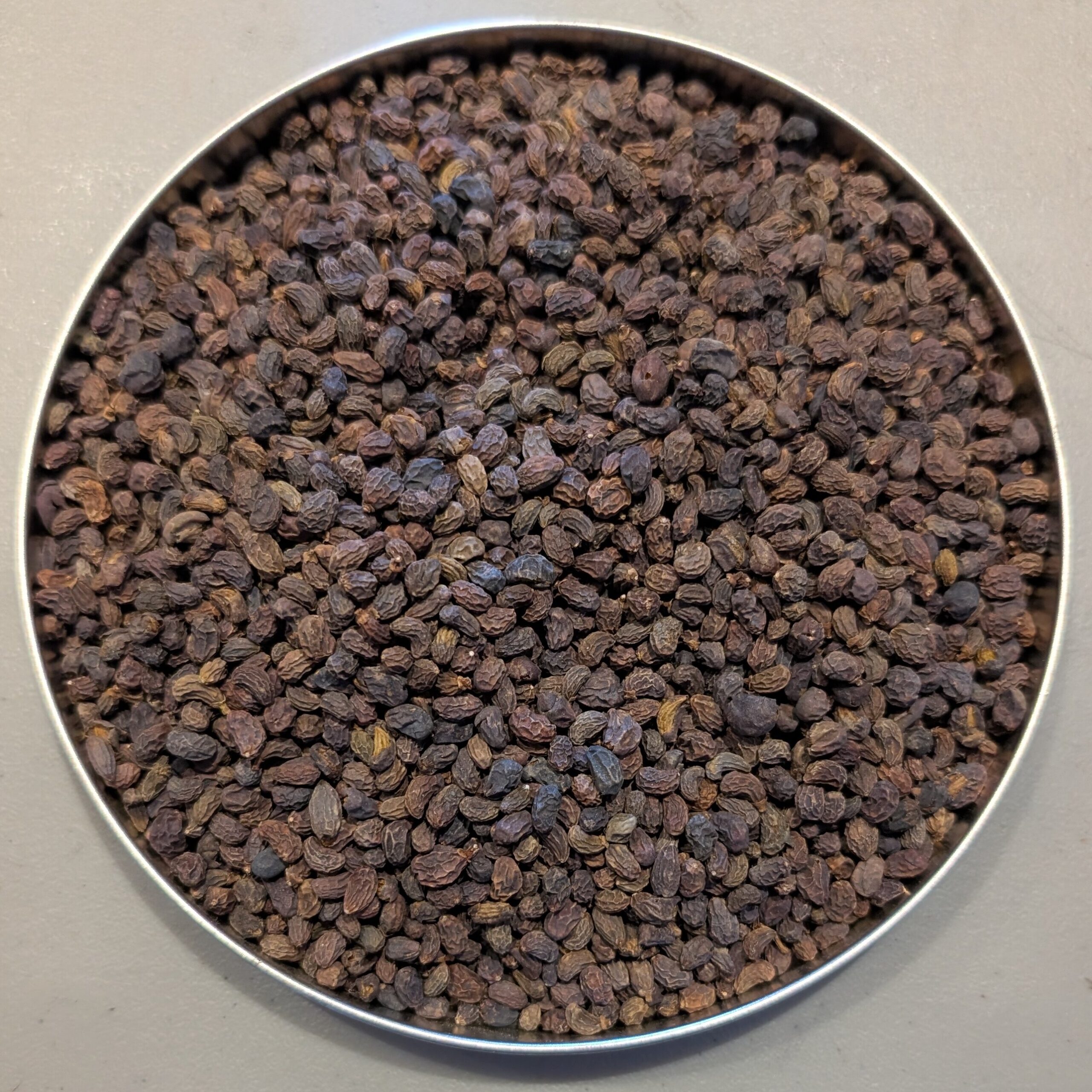
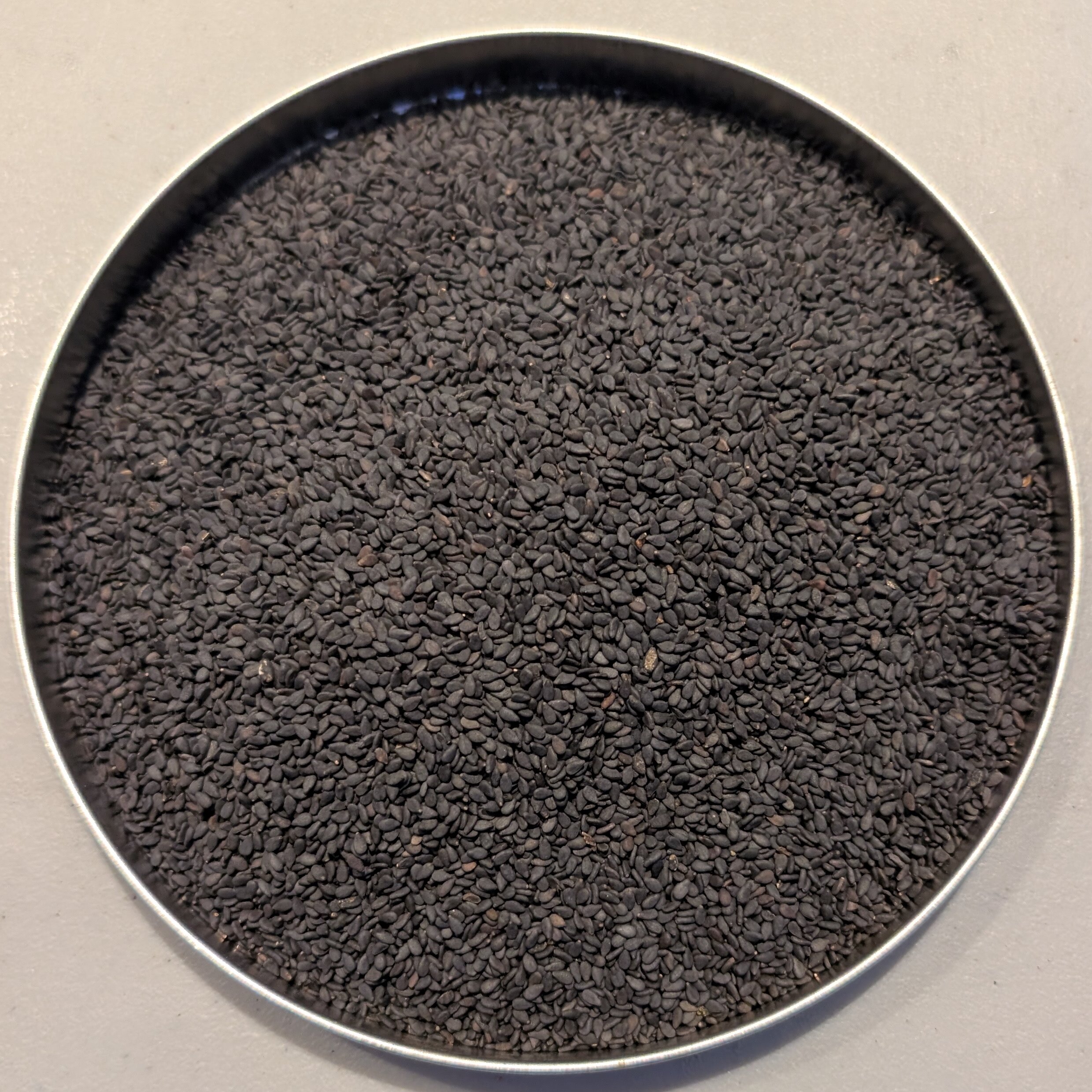
Enter your text here...
The Essential Guide to Chinese Herbal Medicine Identification and Safe Dosage
Introduction: Identifying Chinese Herbal Medicine
Identifying Chinese Herbal Medicine is a foundational skill in Traditional Chinese Medicine (TCM). Accuracy in identification, combined with precise dosage calculation, ensures patient safety and therapeutic success.
Key Considerations for Chinese Herbal Medicine Dosage:
To prescribe effectively, practitioners must analyze these core factors:
- Patient Profile: Adjust based on body weight, age, and gender (e.g., lower doses for children, seniors, or during menstruation).
- Condition Severity: Acute conditions may require higher doses, while chronic cases favor smaller, sustained amounts.
- Chinese Herbal Medicine Form: Decoctions typically require higher dosages than concentrated powders.
Texture & Quality Guidelines:
- Plant Parts: Flowers and leaves are lighter (smaller doses), while minerals and shells are heavy (10-30g).
- Standard Range: Non-toxic plants generally range from 3-10g.
- Safety & Duration:
Prescriptions should be monitored closely, especially when using herbs that promote circulation or elimination.
- The 7-Day Rule: Limit initial prescriptions to 1 week unless you are deeply familiar with the patient’s long-term response. Stop or reduce dosage once symptoms improve to maintain balance.
1.Herbs for relieving superficial syndrome:
1-1.Pungent and warm:
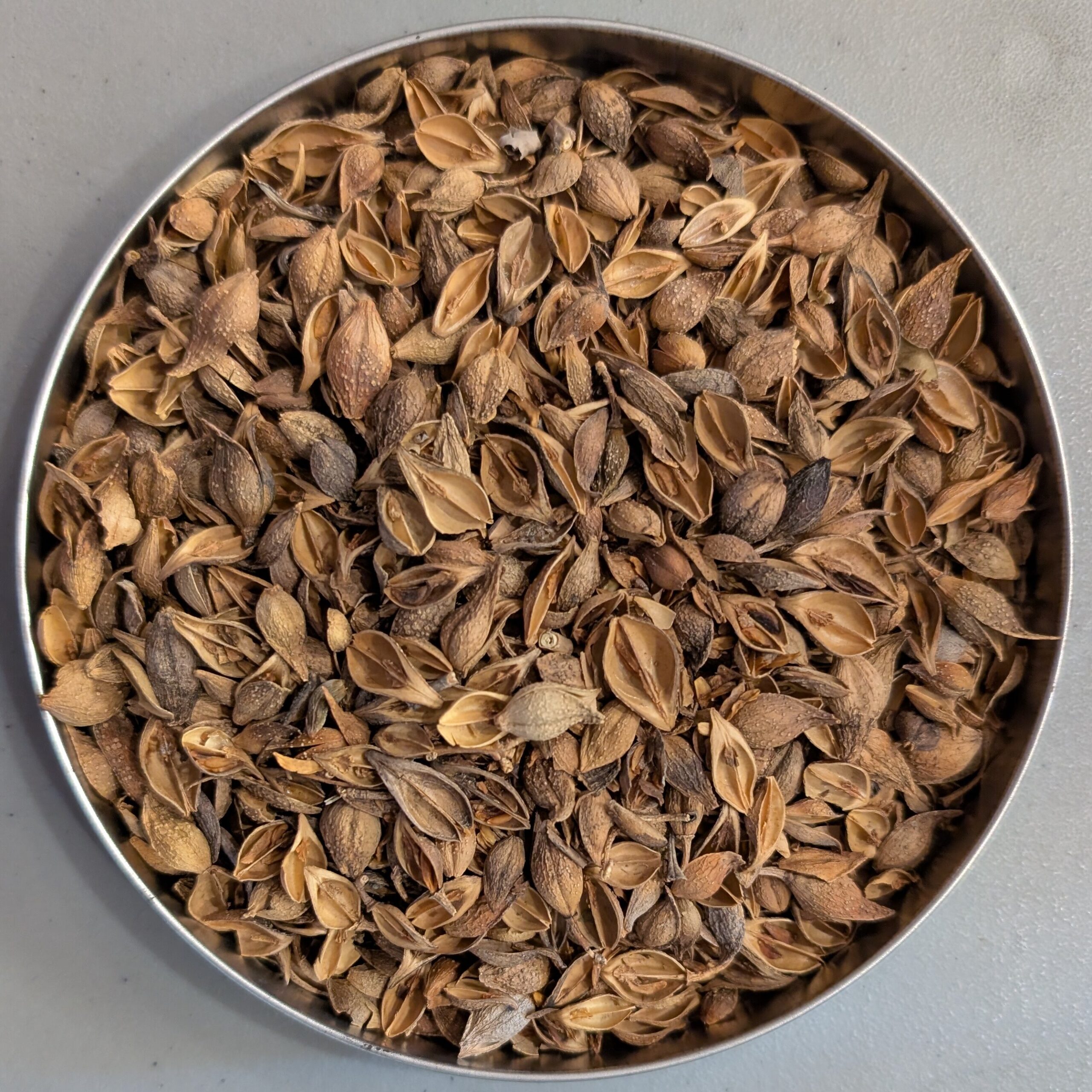
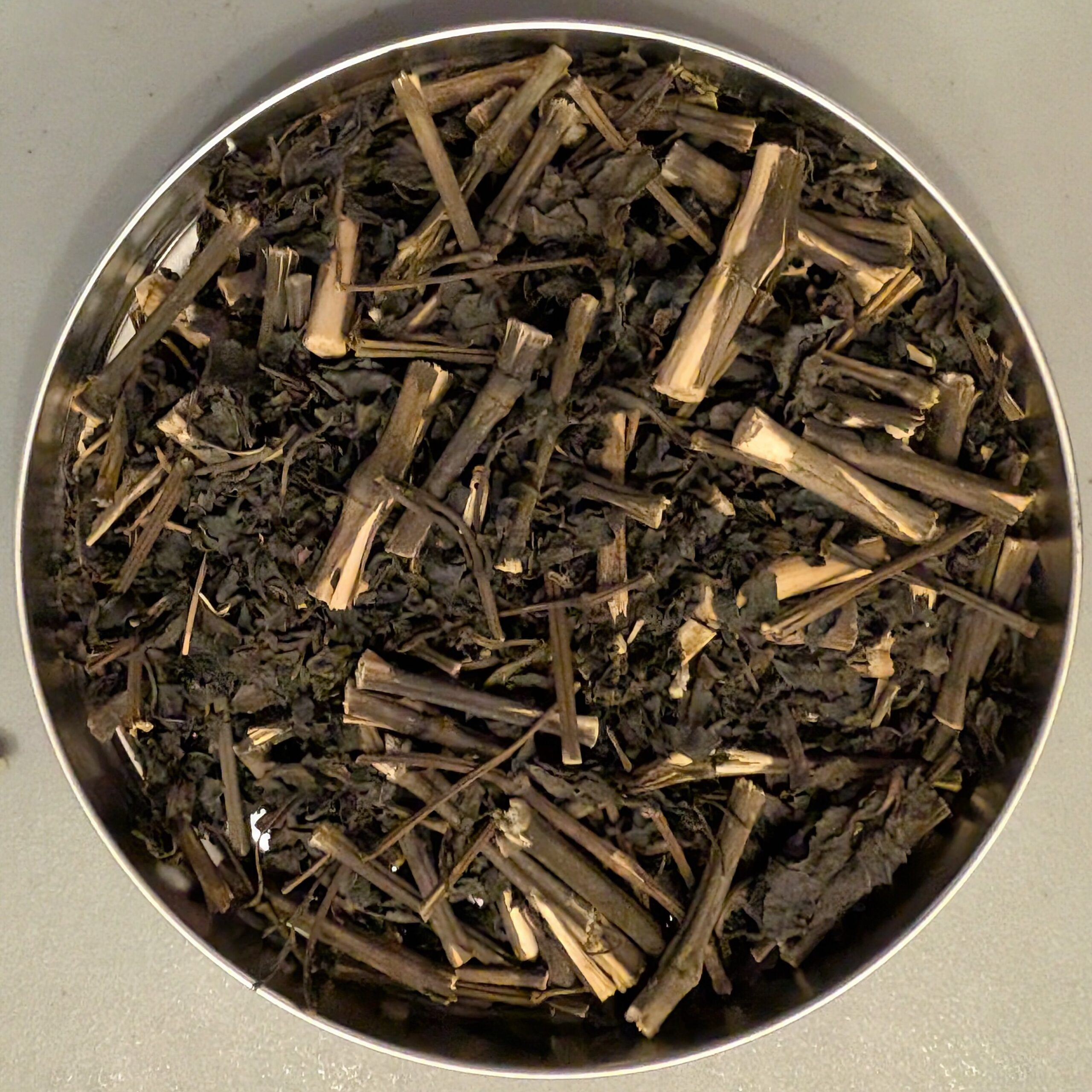
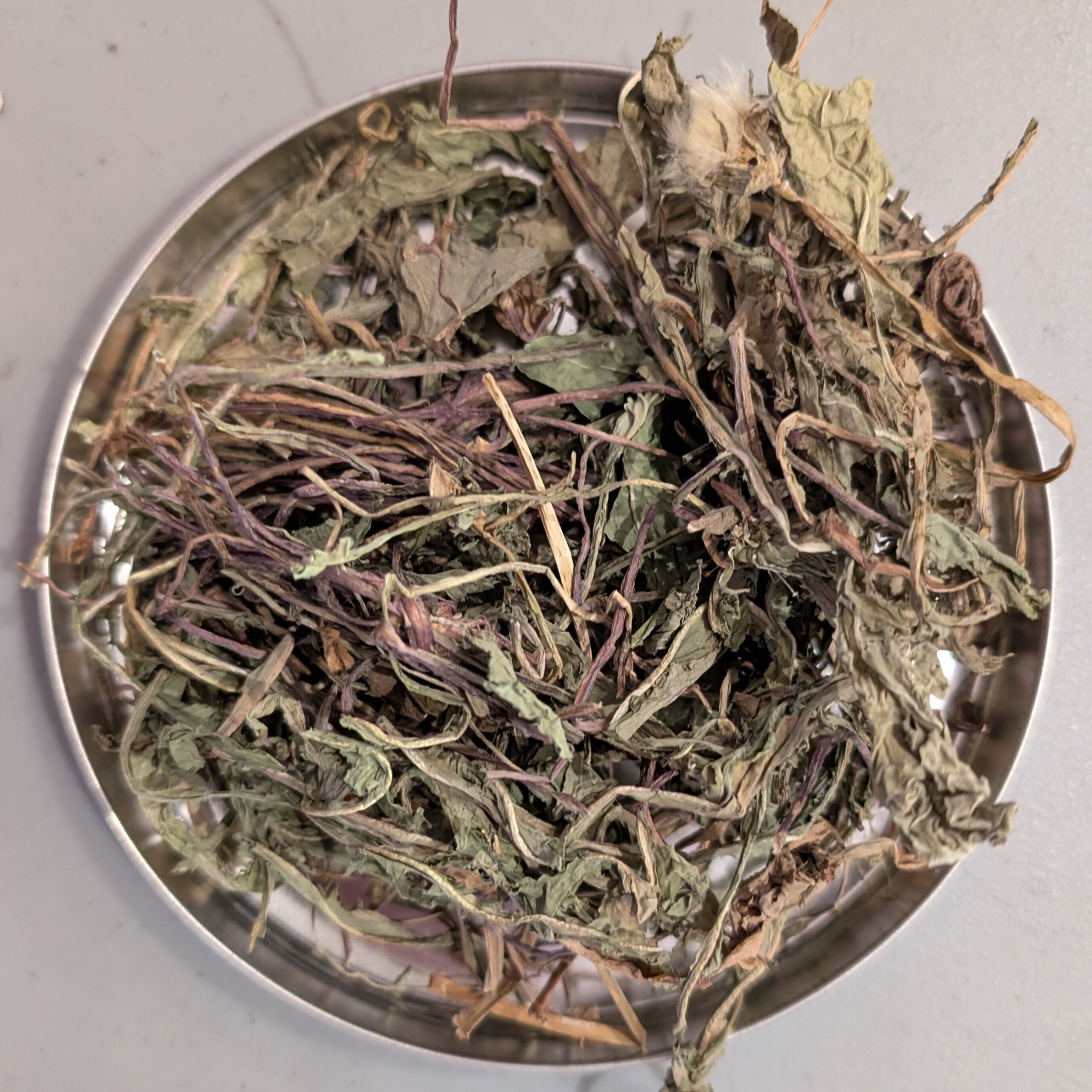
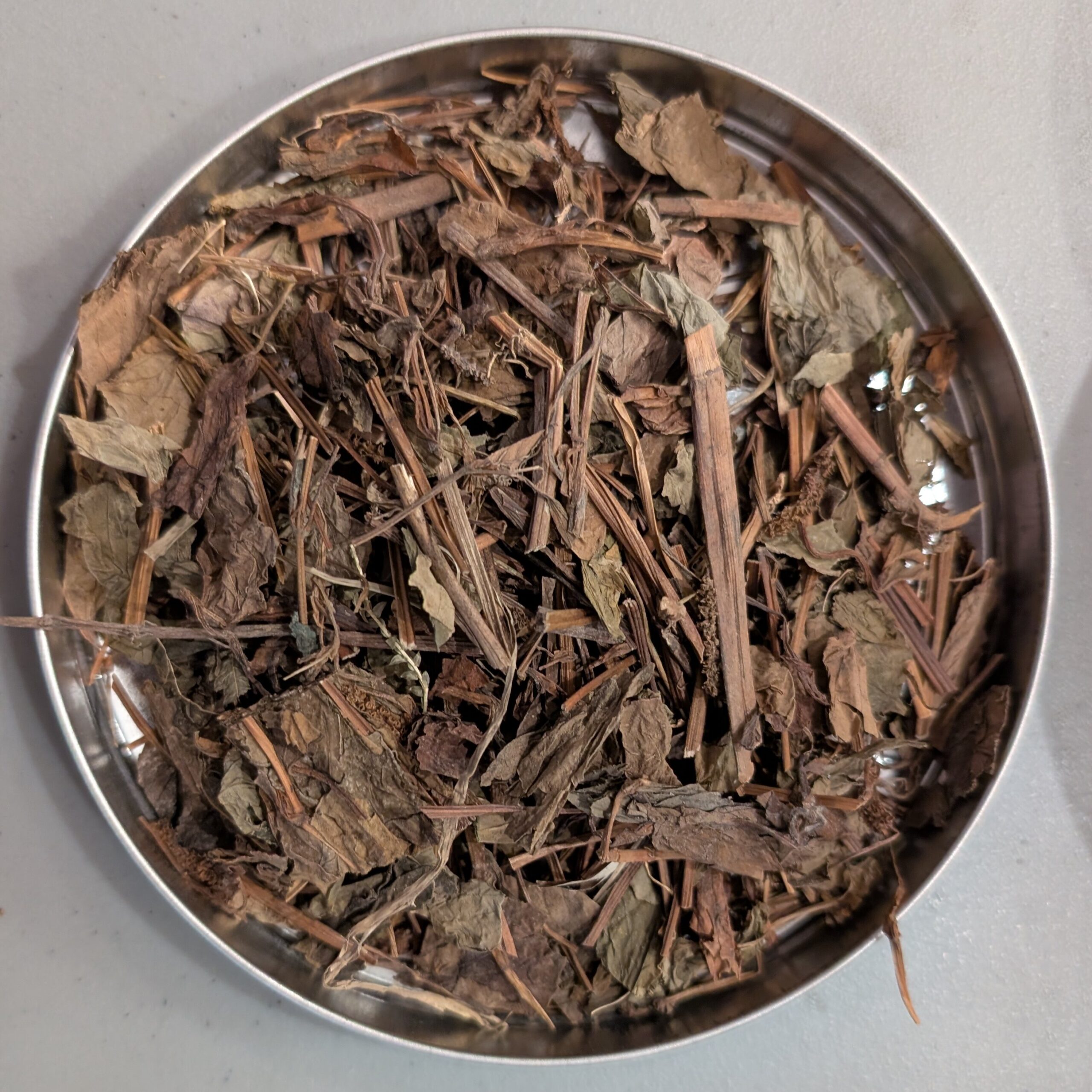
Gui Zhi, Zi Su Ye, Jing Jie, Xi Xin, Fang Feng, Bai Zhi, Xin Yi, Cang Er Zi,
1-2 Pungent and cool:
Niu Bang Zi, Sang Ye, Ju Hua, Ge Gen, Chai Hu, Sheng Ma
Gui Zhi
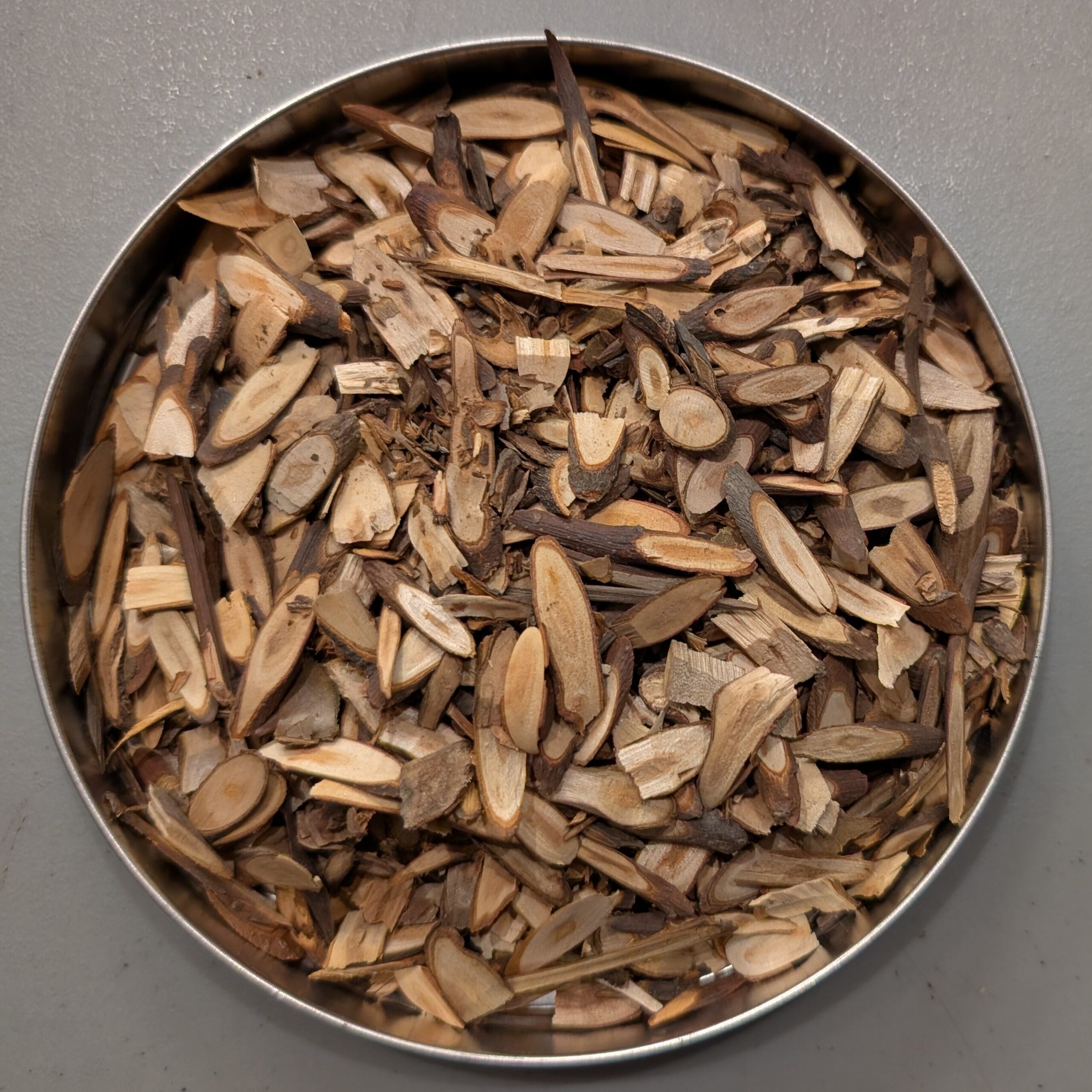
Zi Su Ye
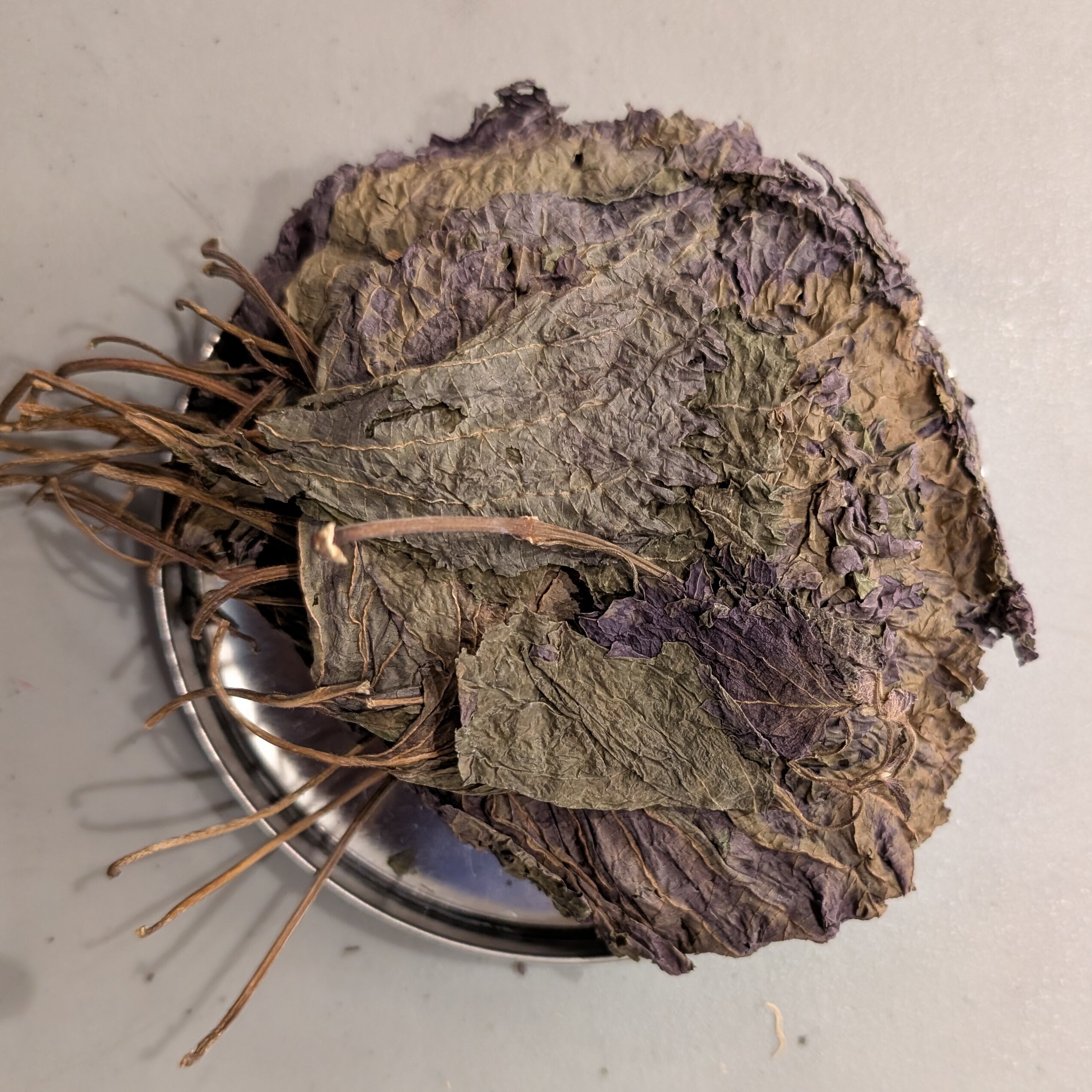
Jing Jie
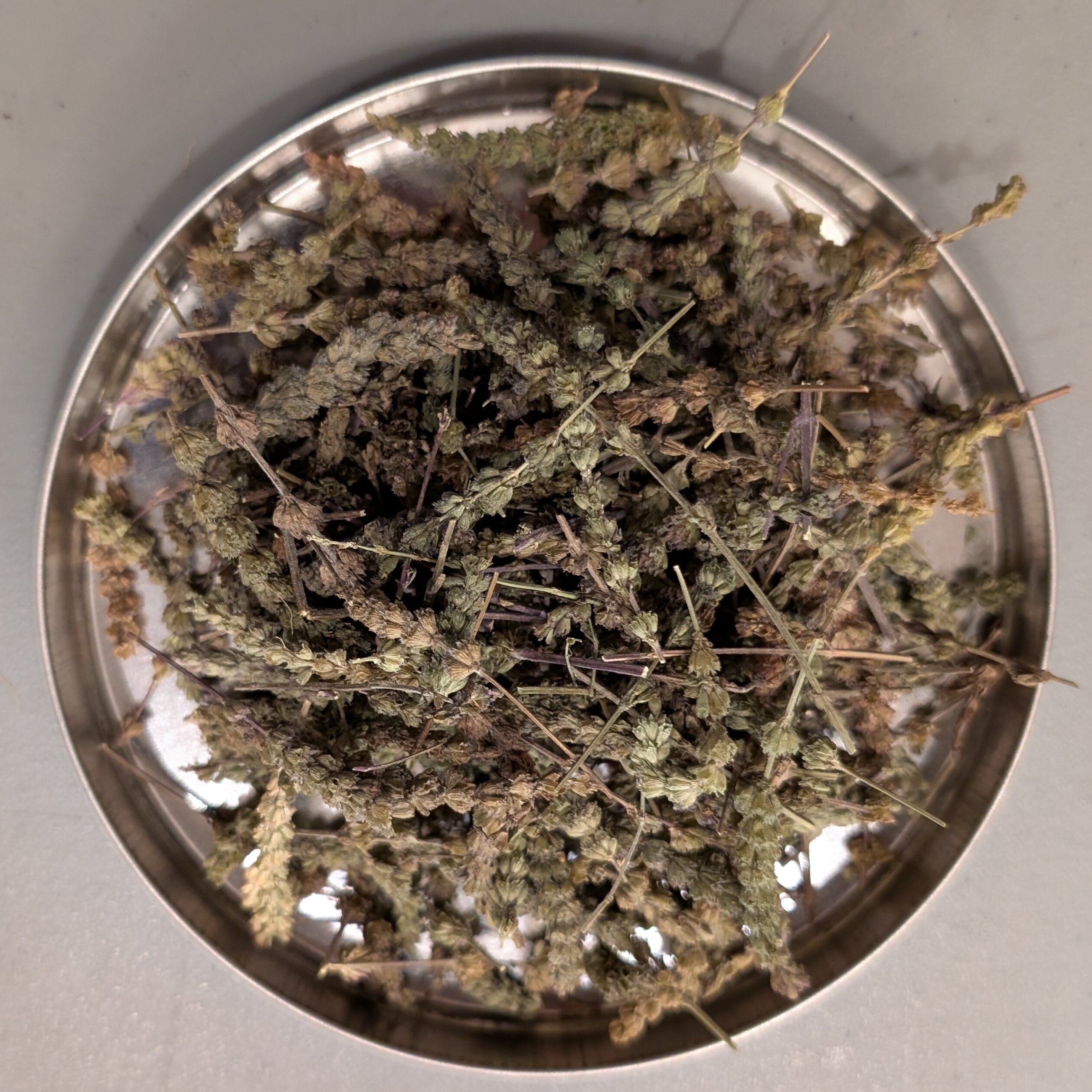
Xi Xin
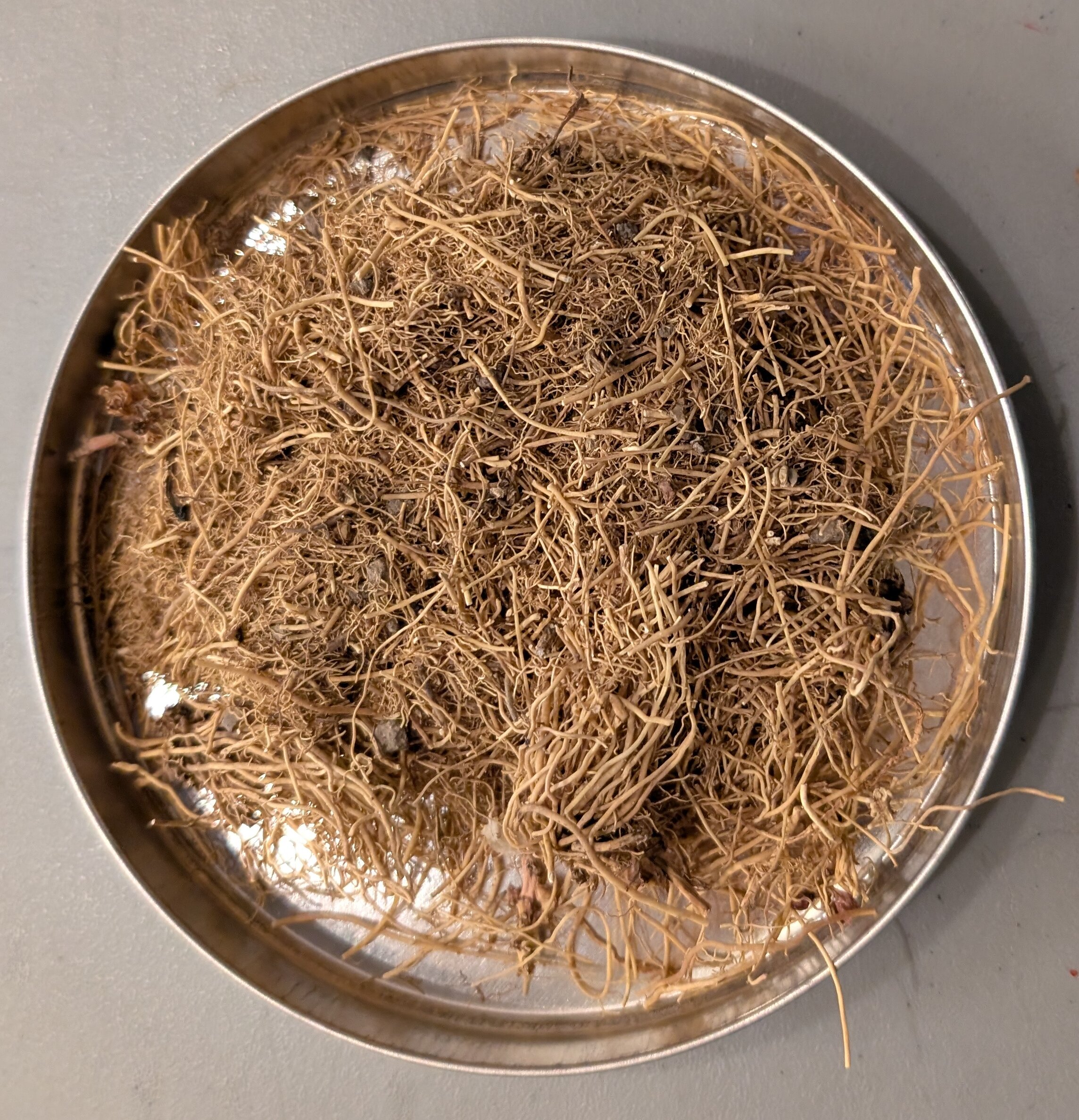
Fang Feng
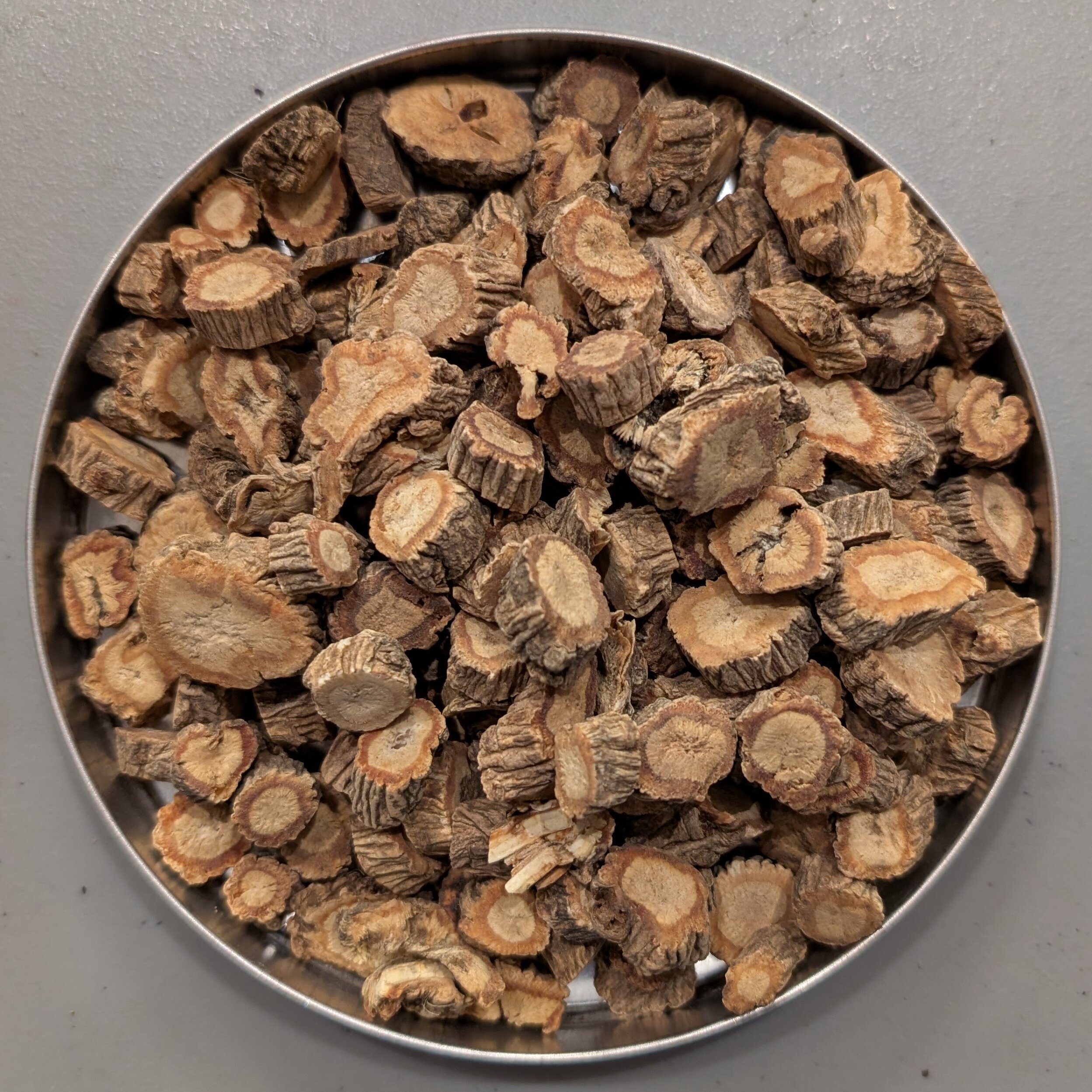
Bai Zhi
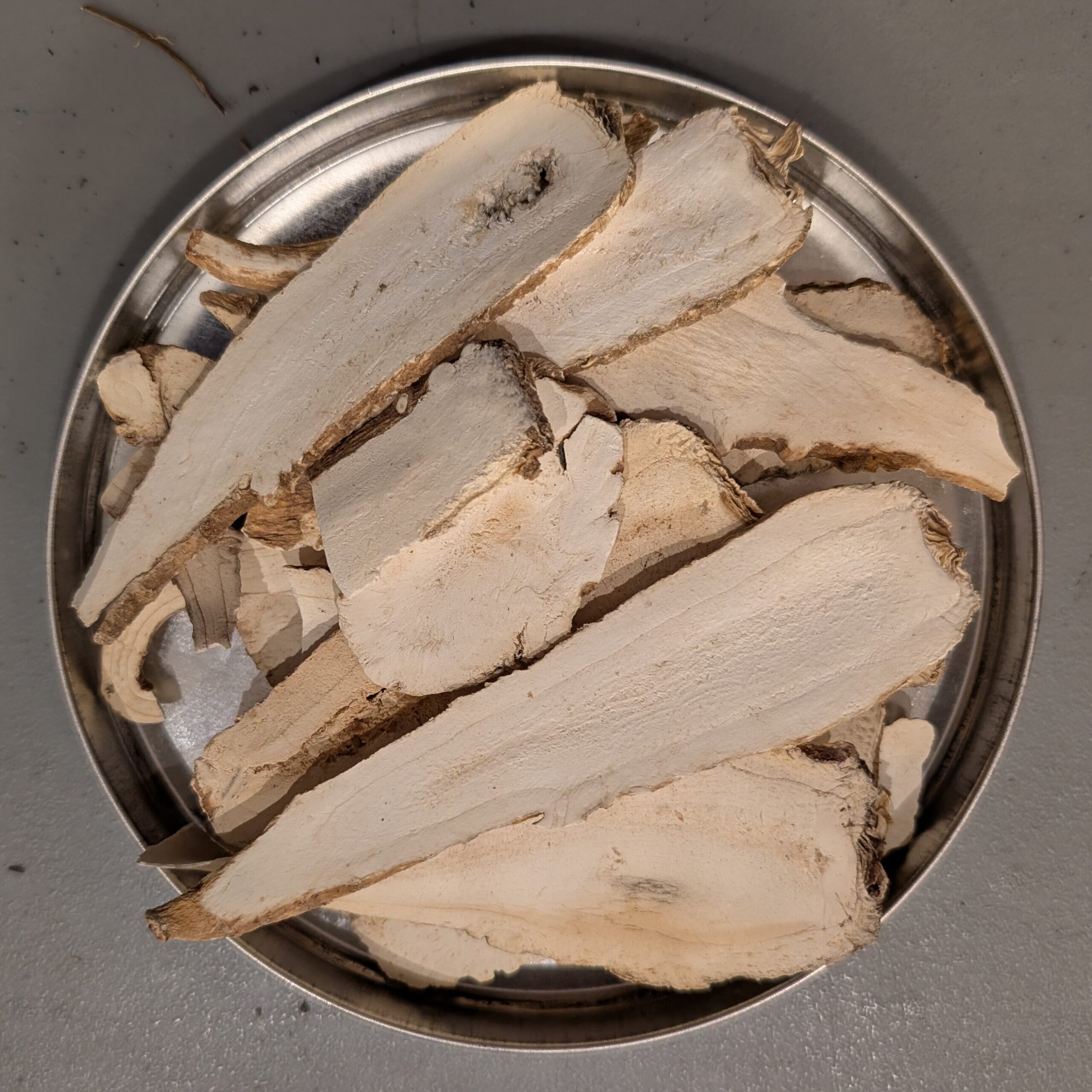
Xin Yi
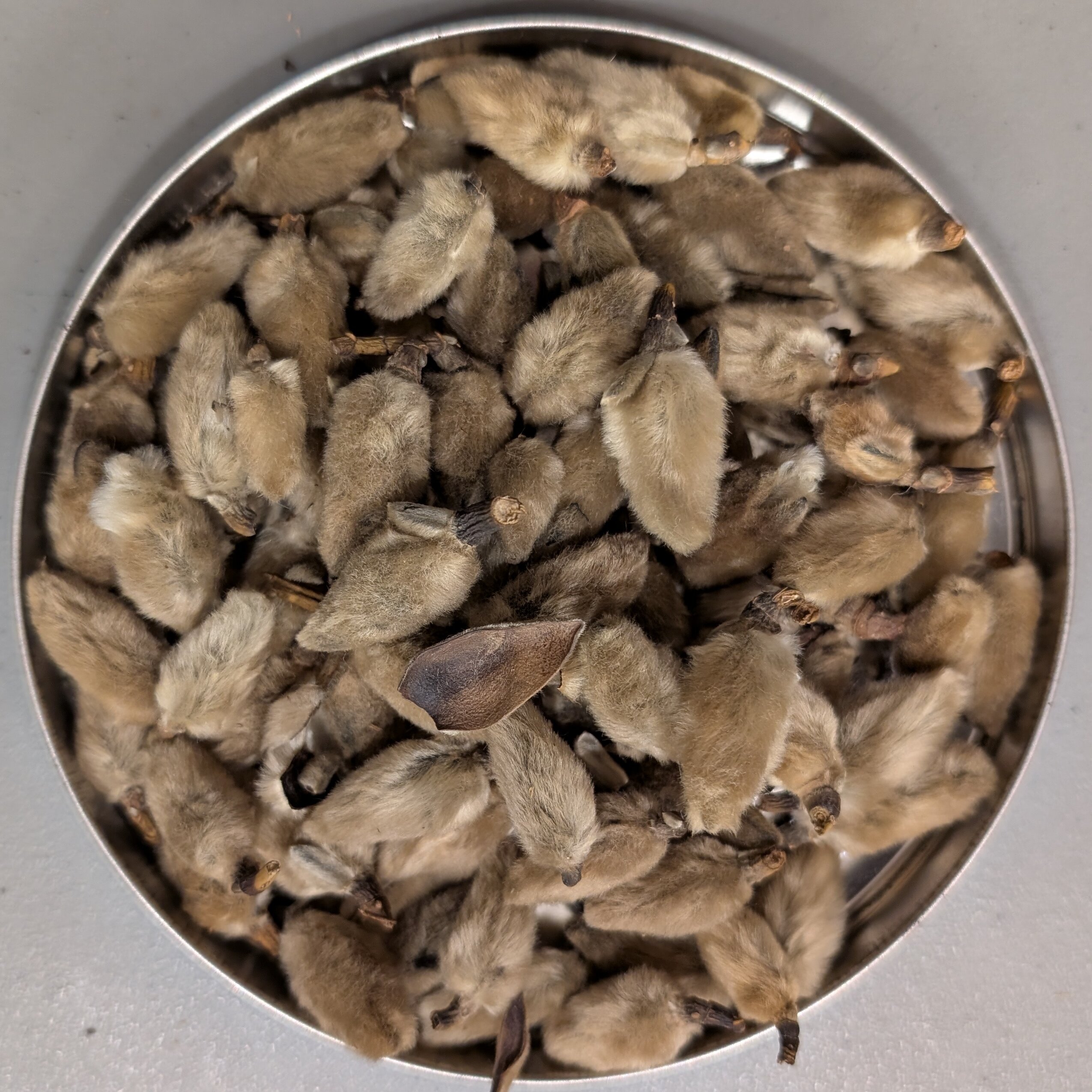
Cang Er Zi
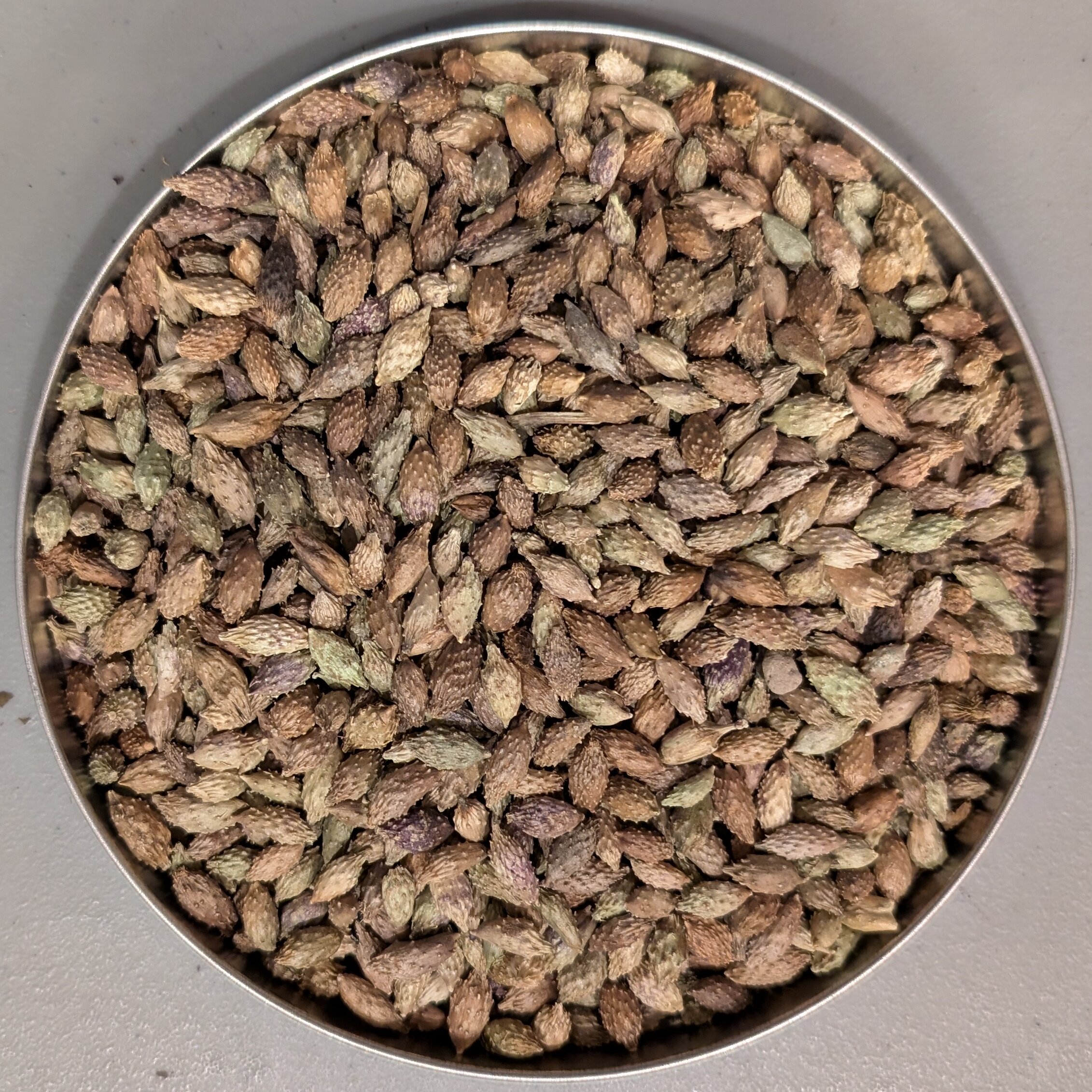
Niu Bang Zhi
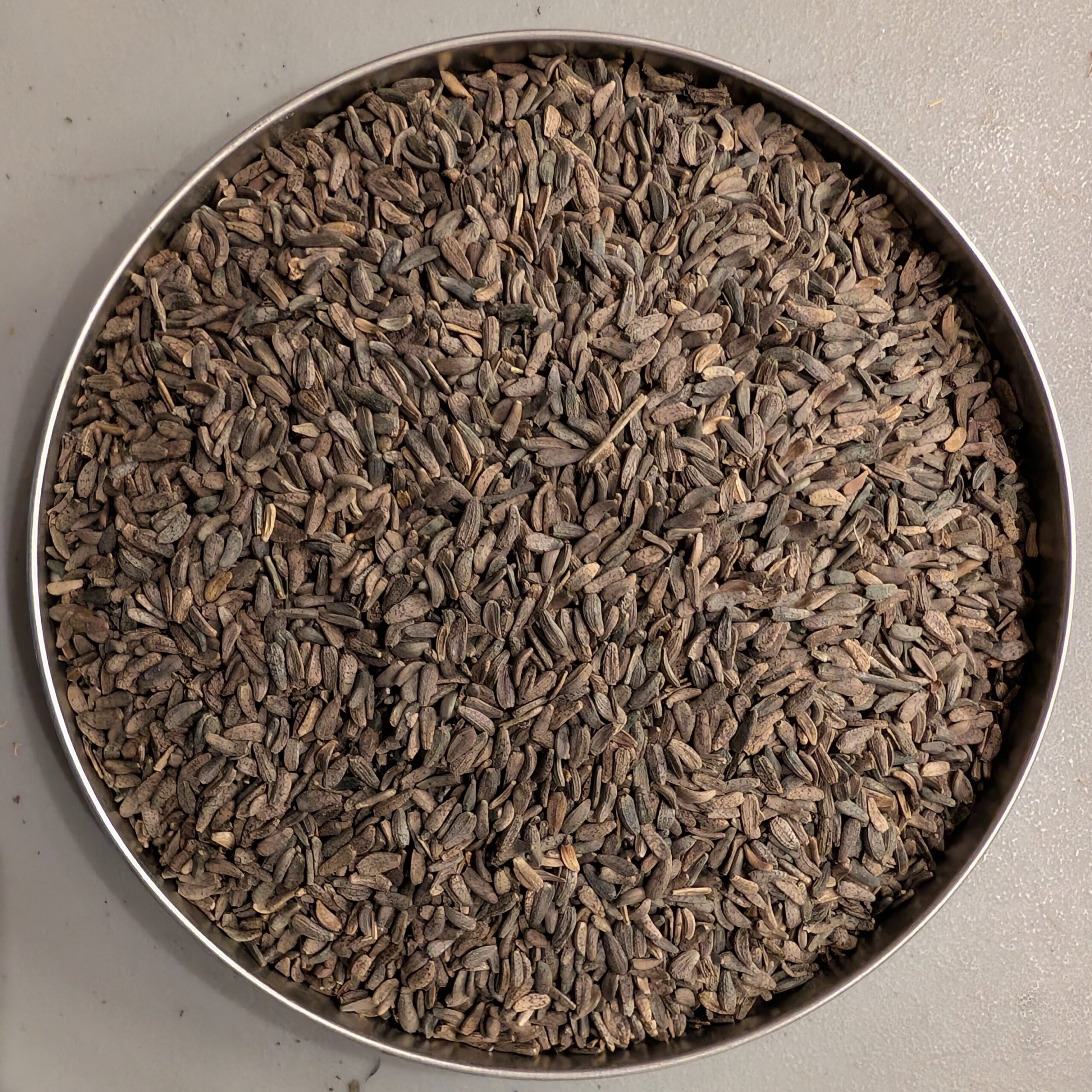
Sheng Ma
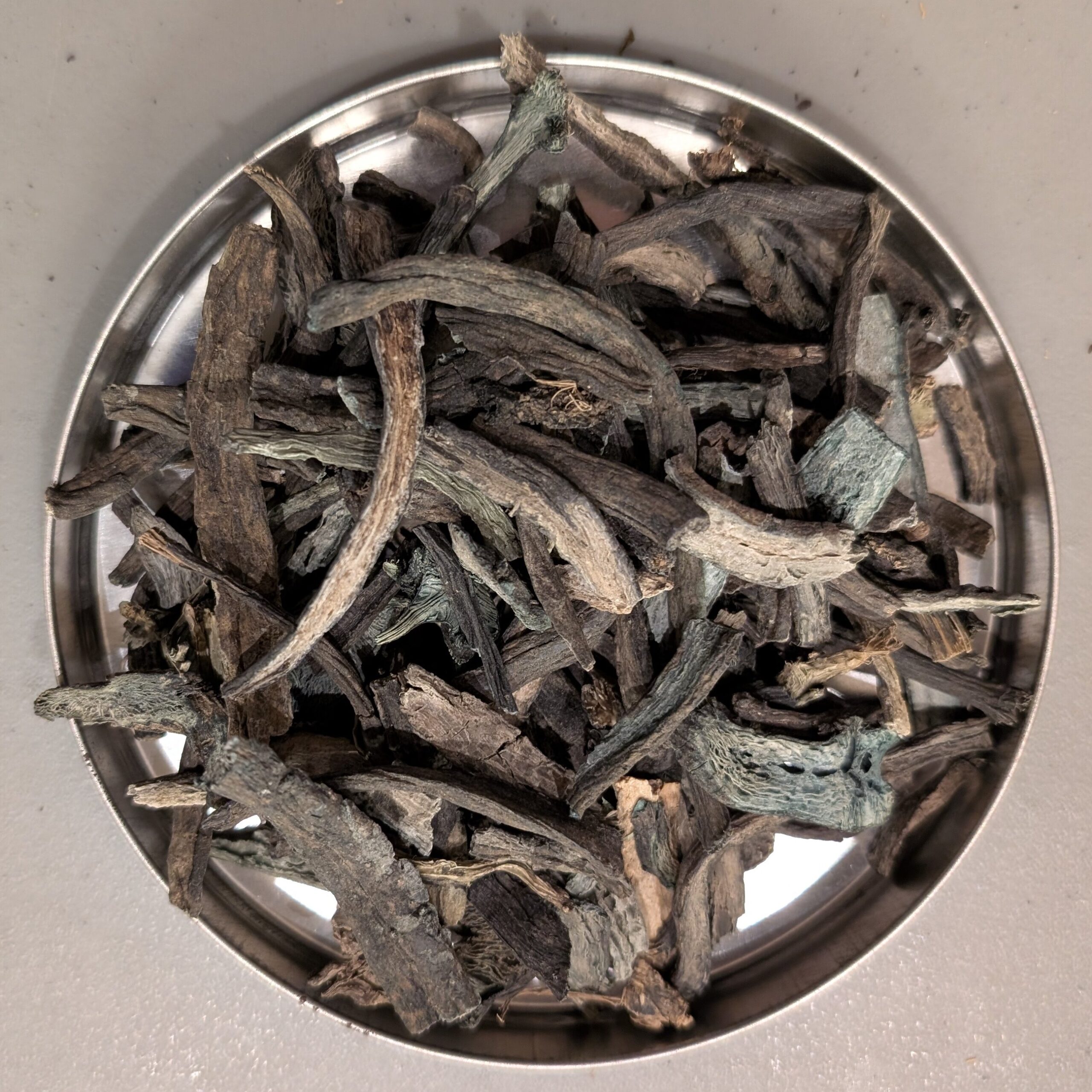
Sang Ye
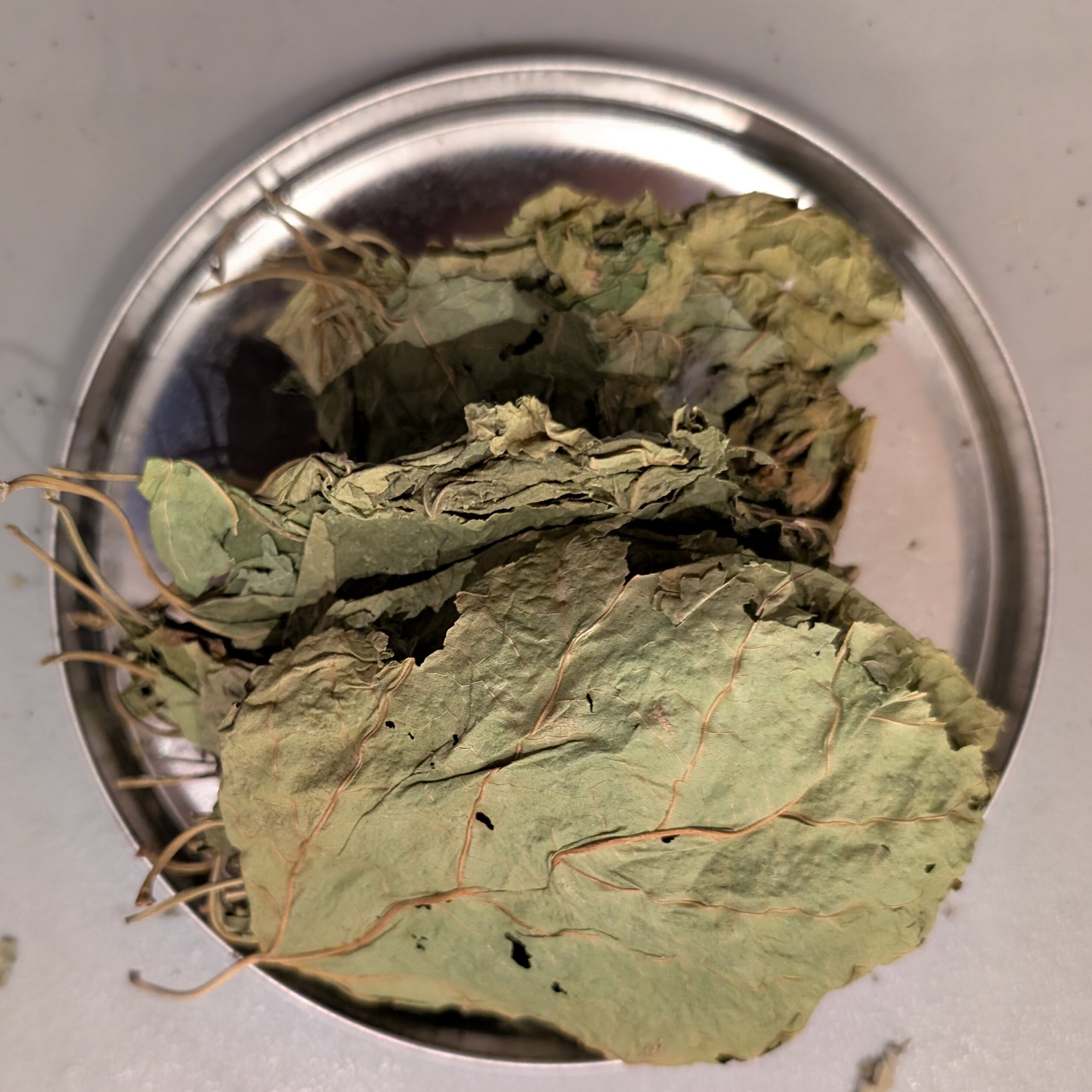
Ju Hua
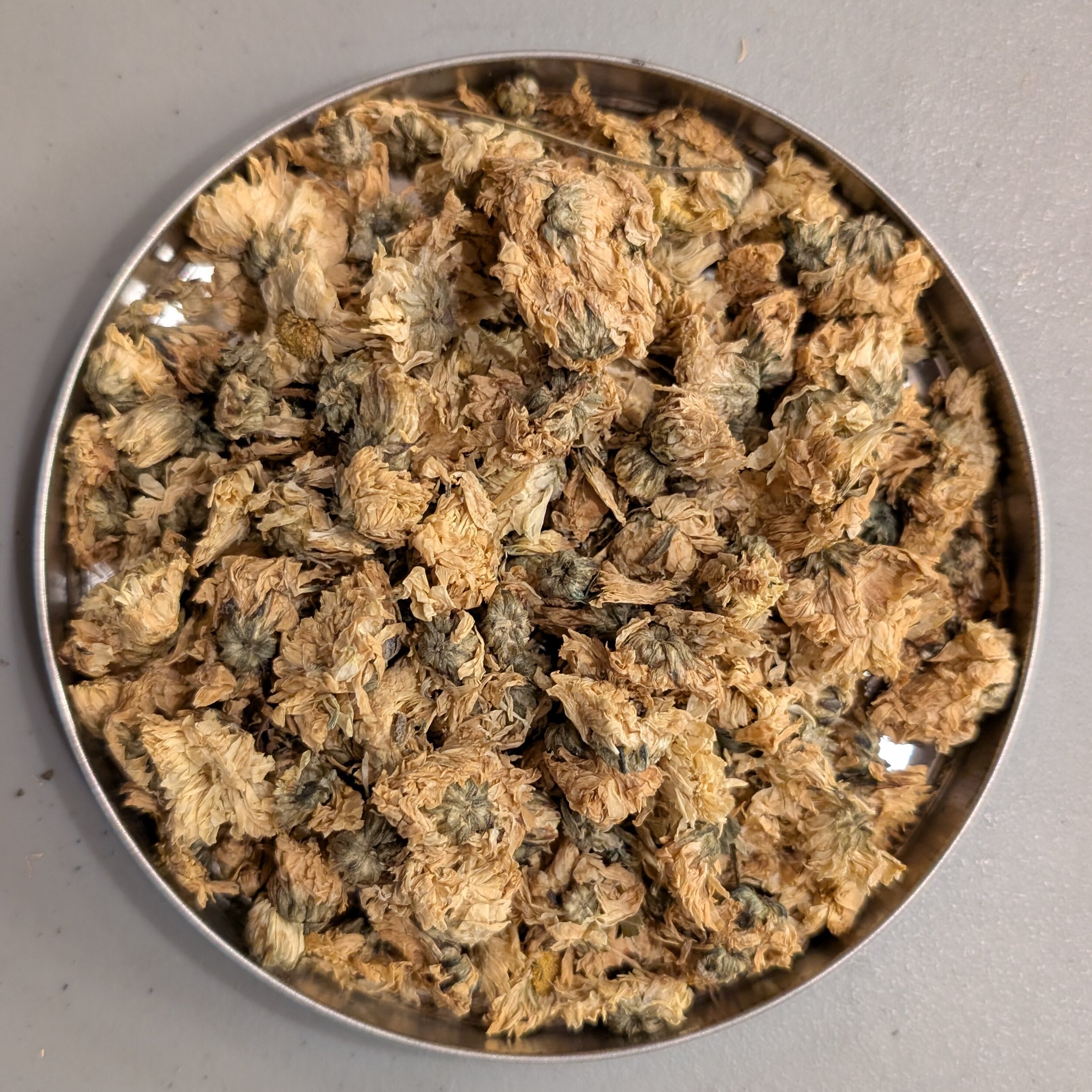
Ge Gen
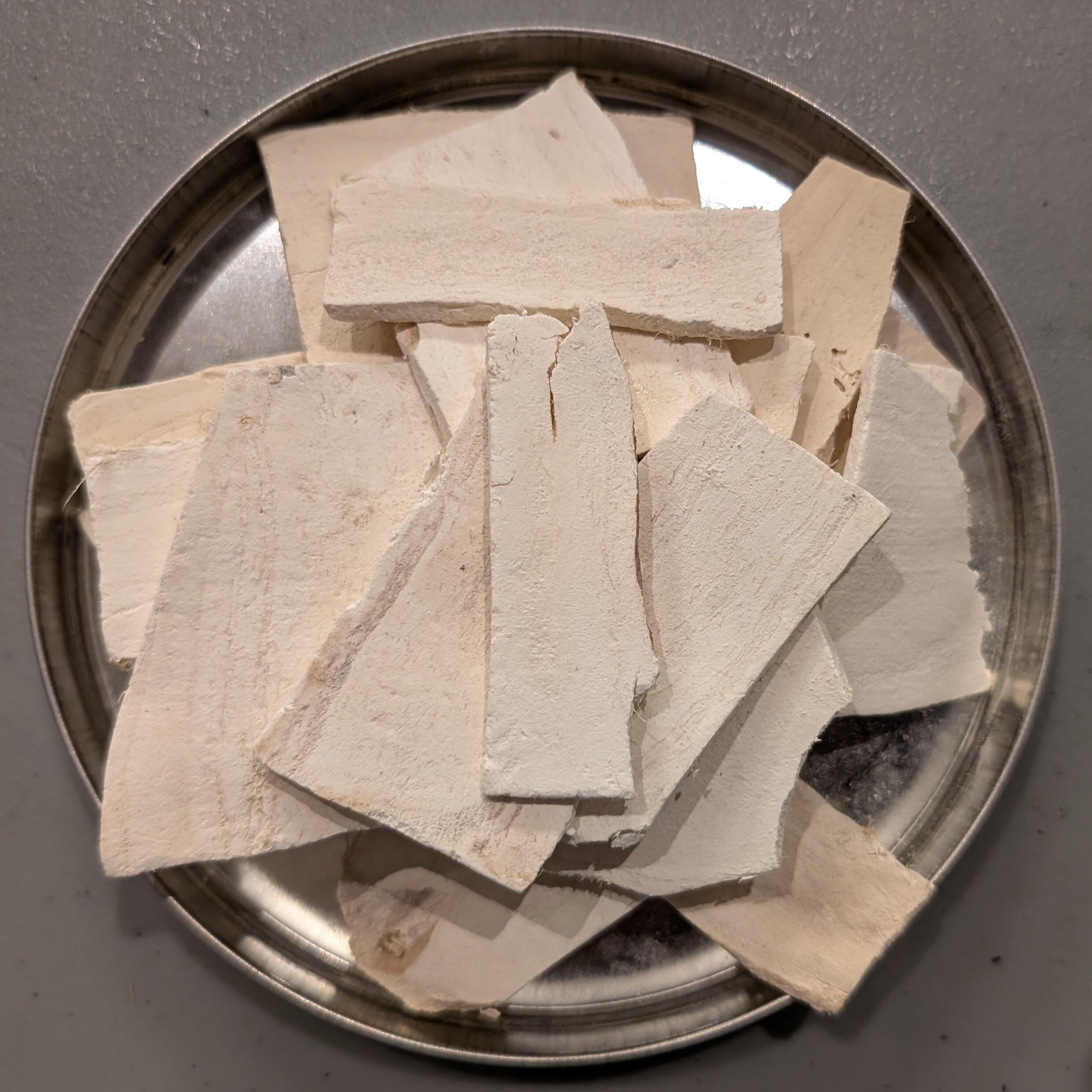
Chai Hu
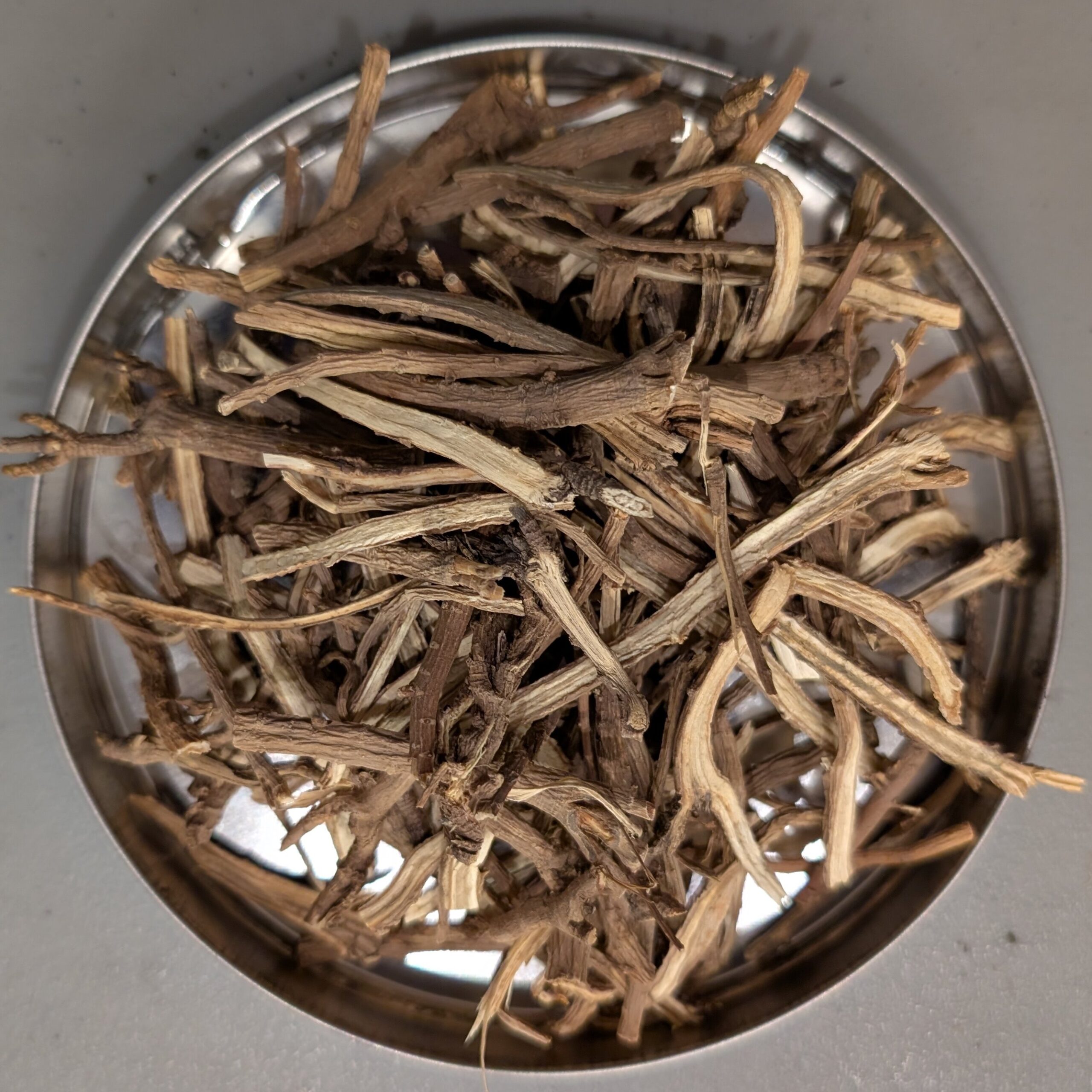
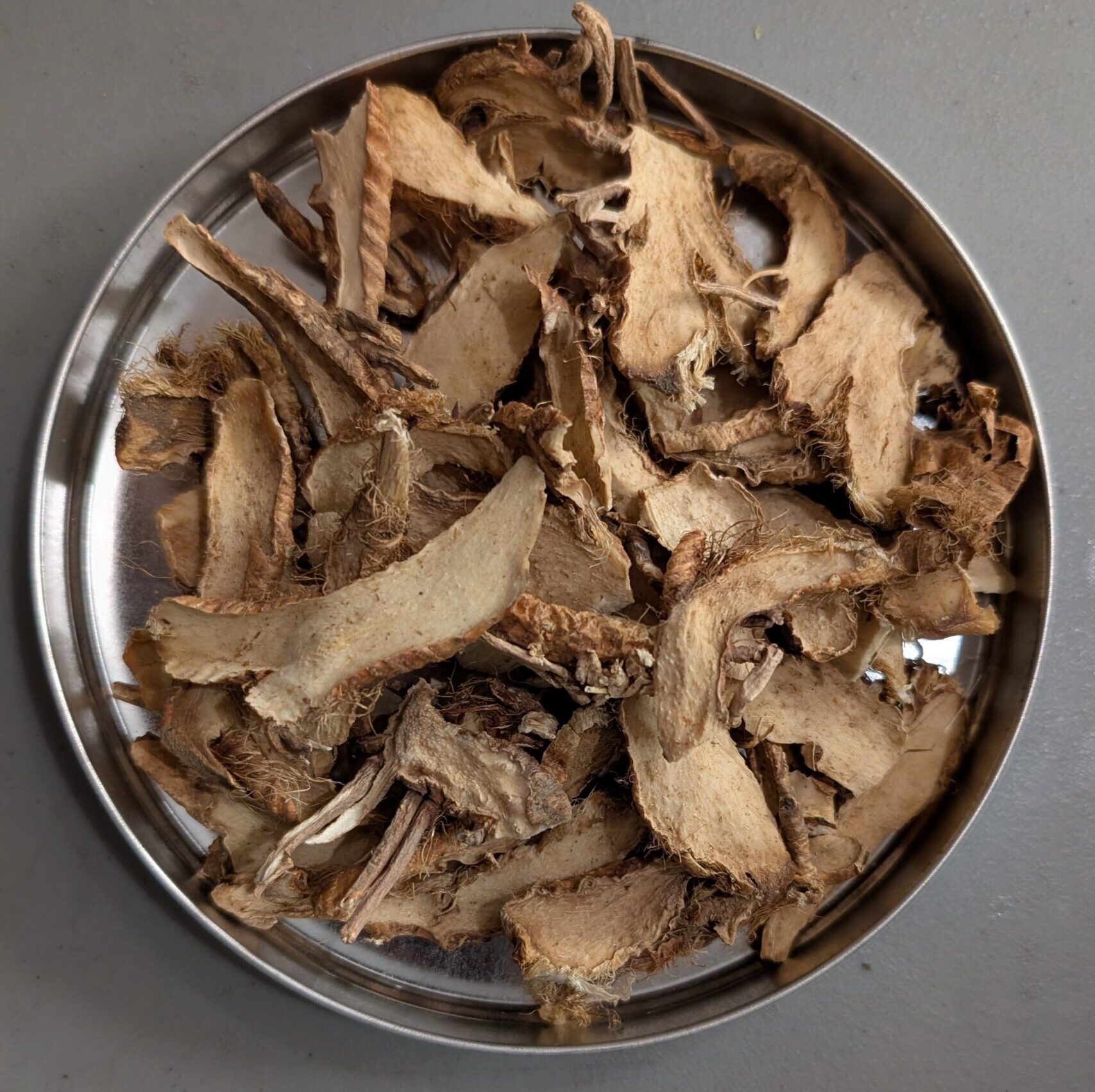
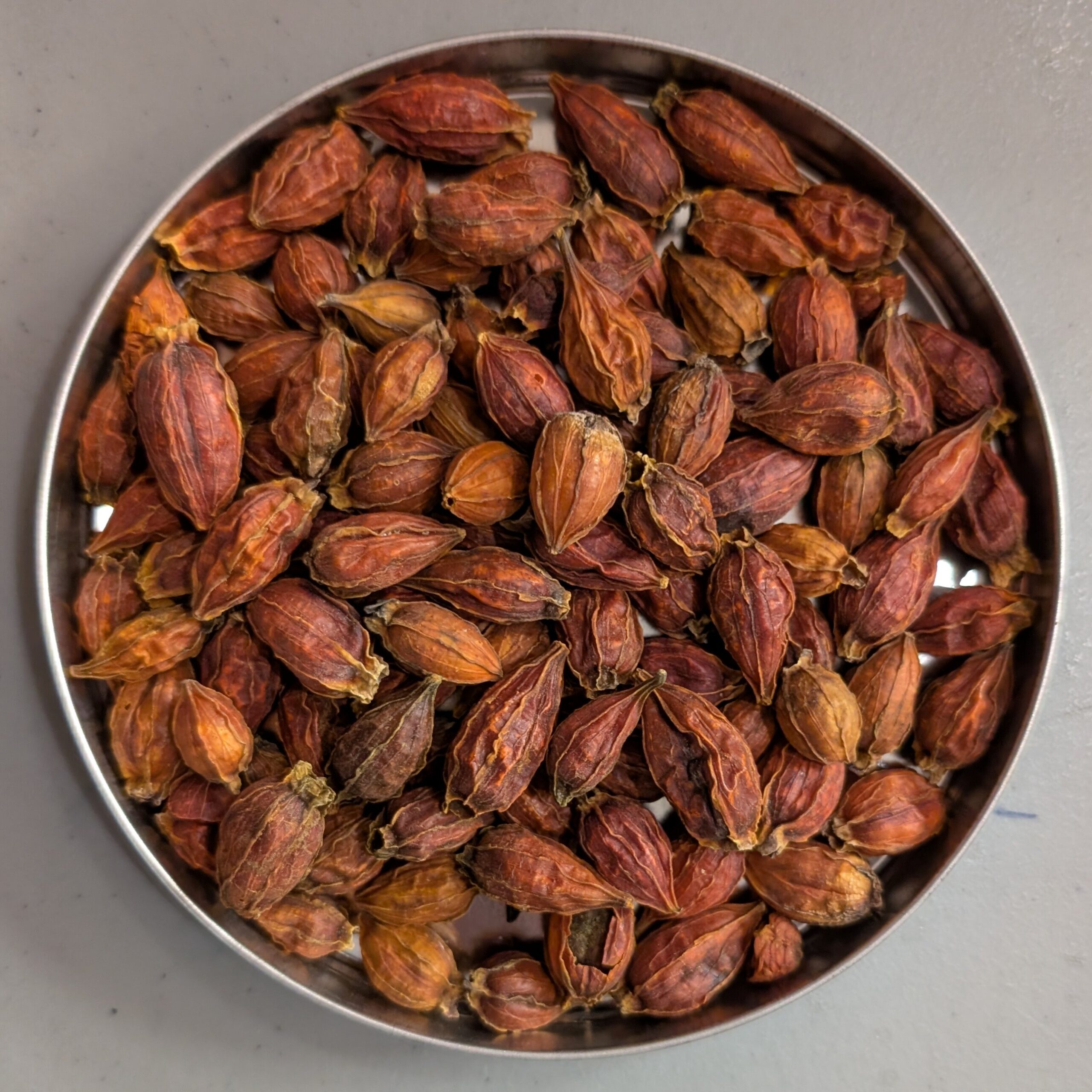
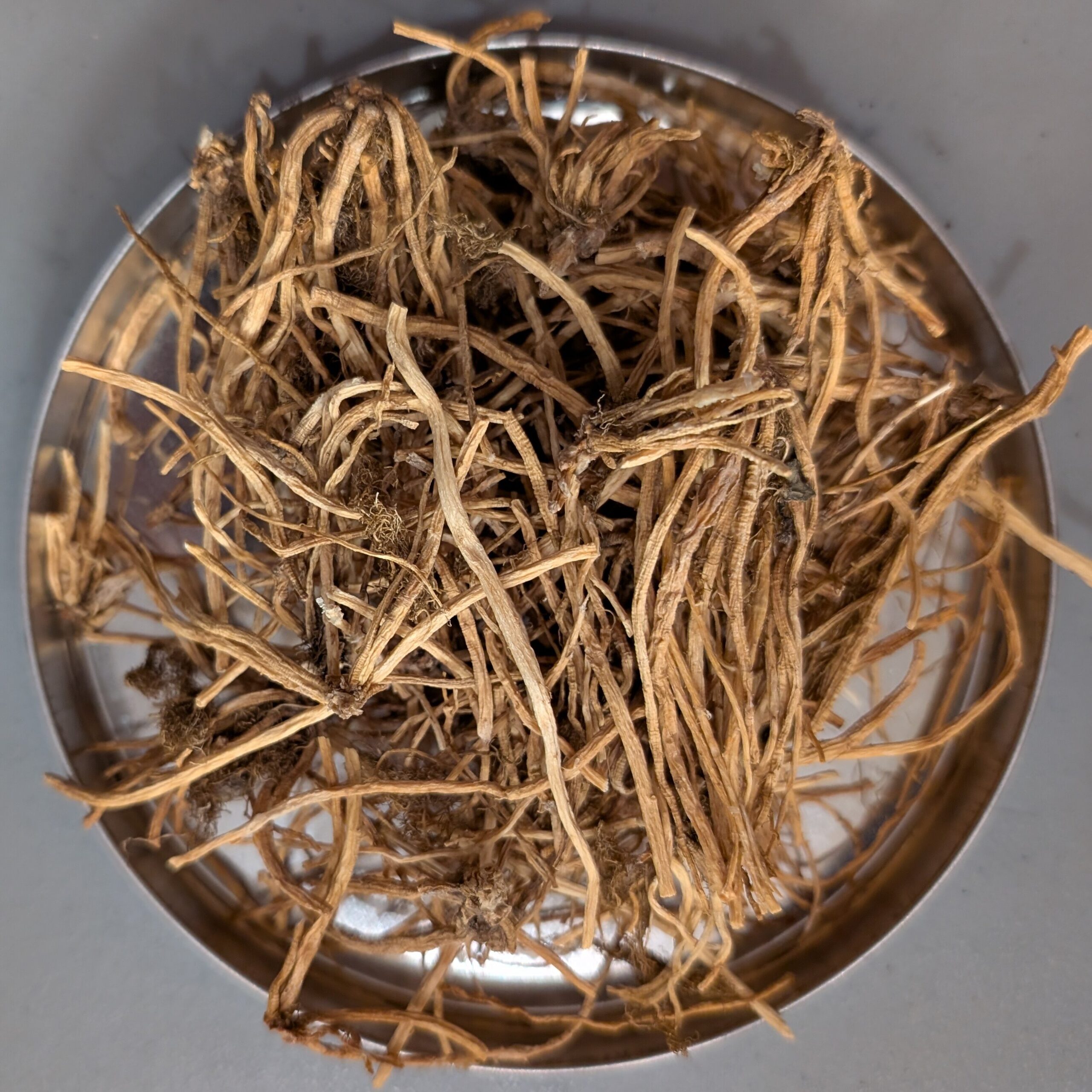
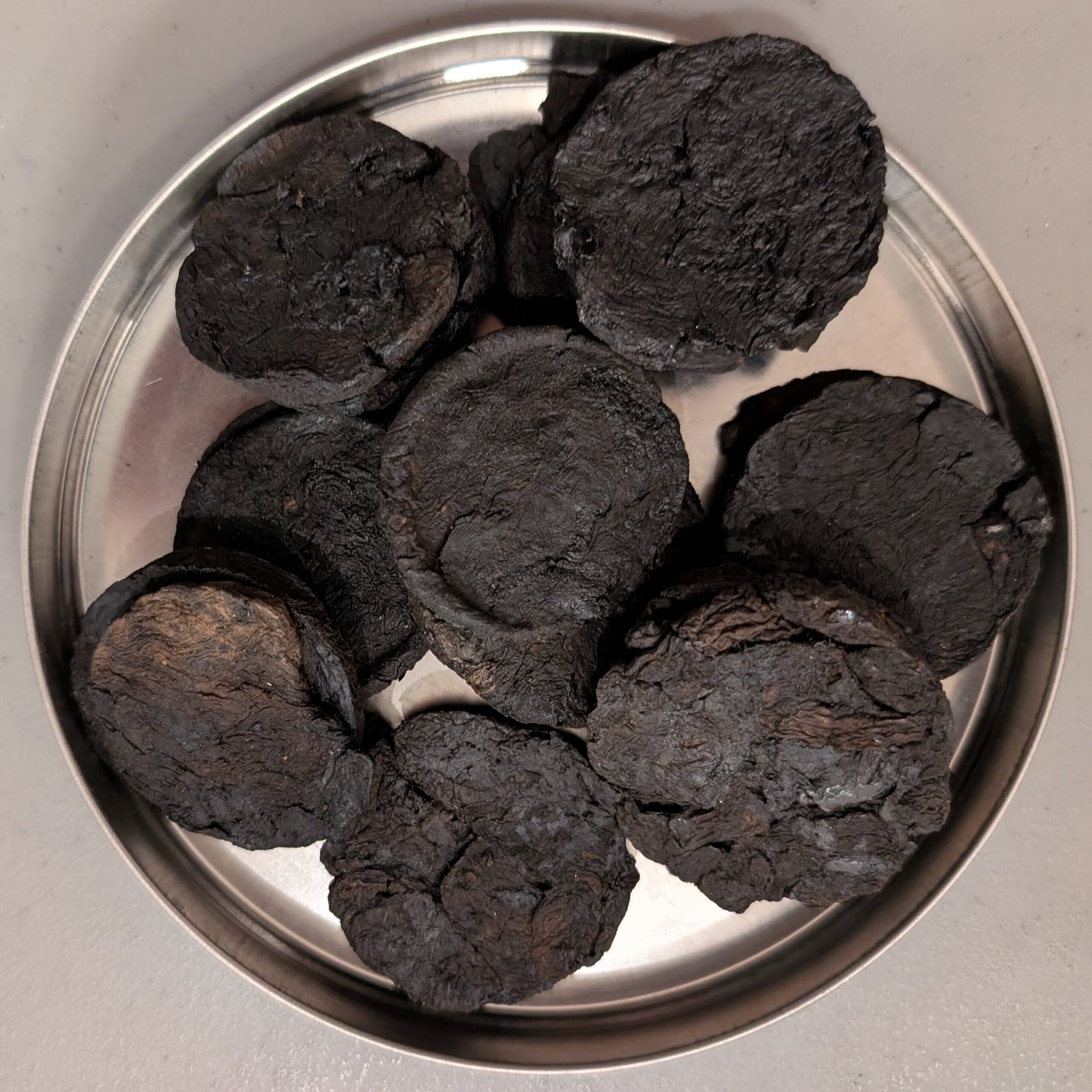
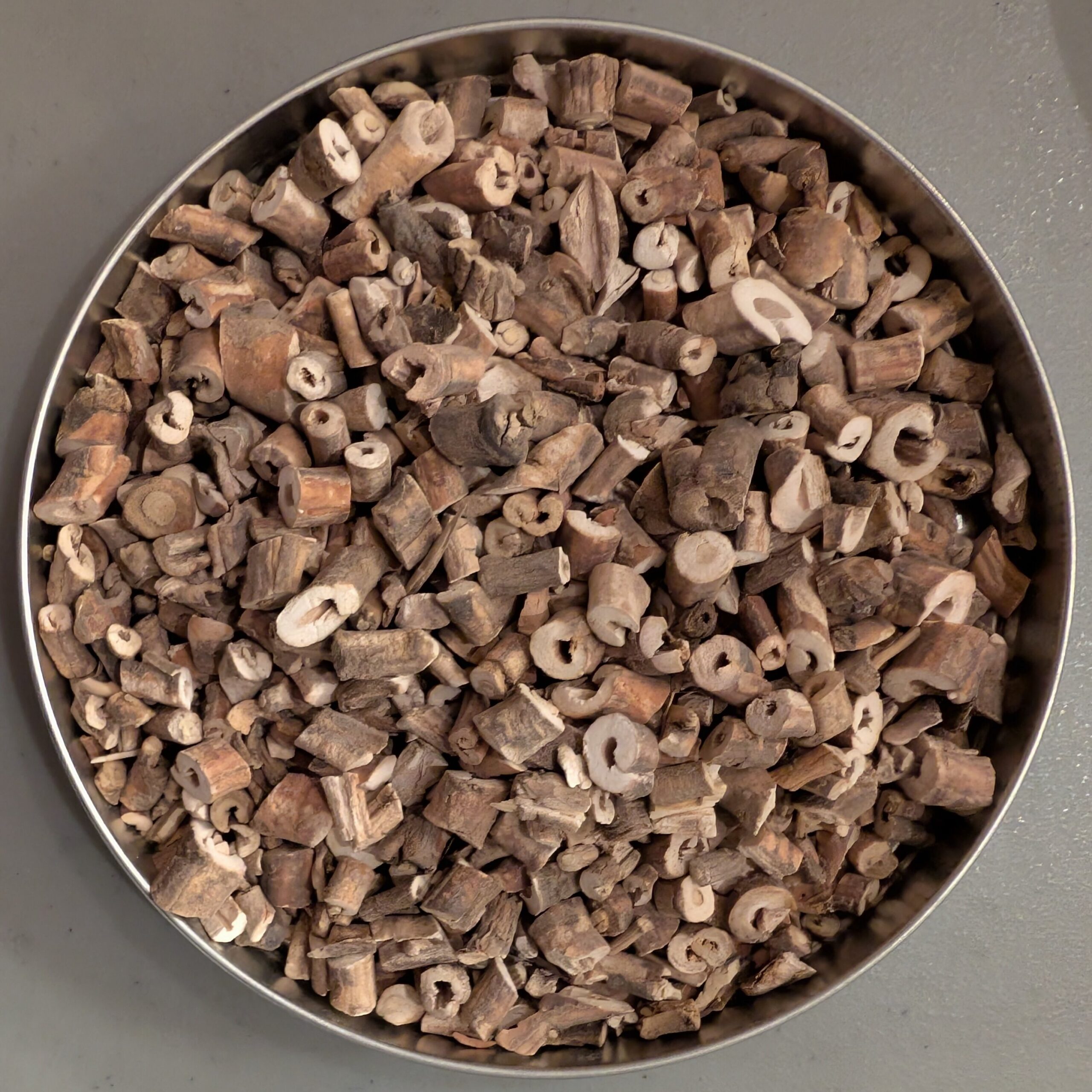
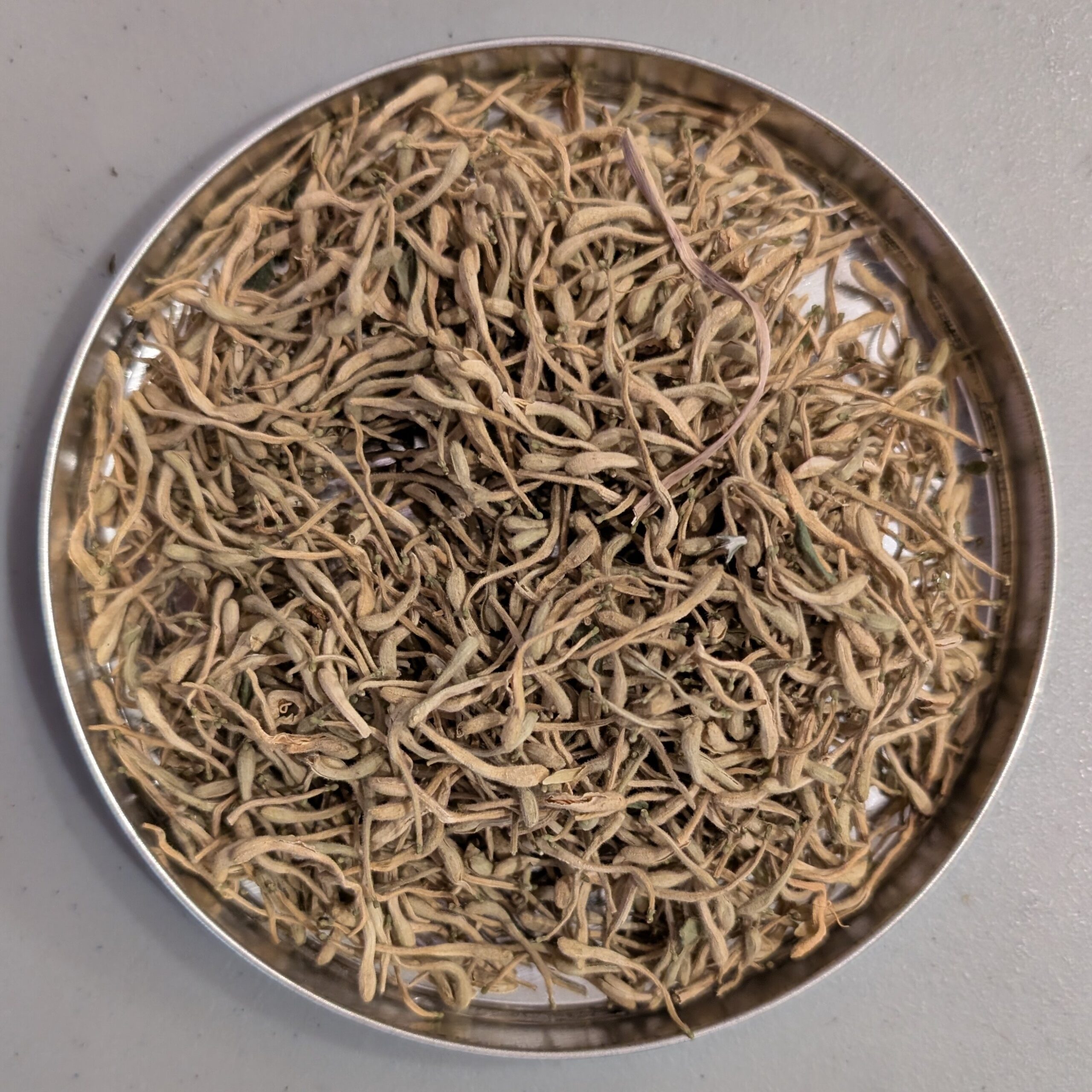
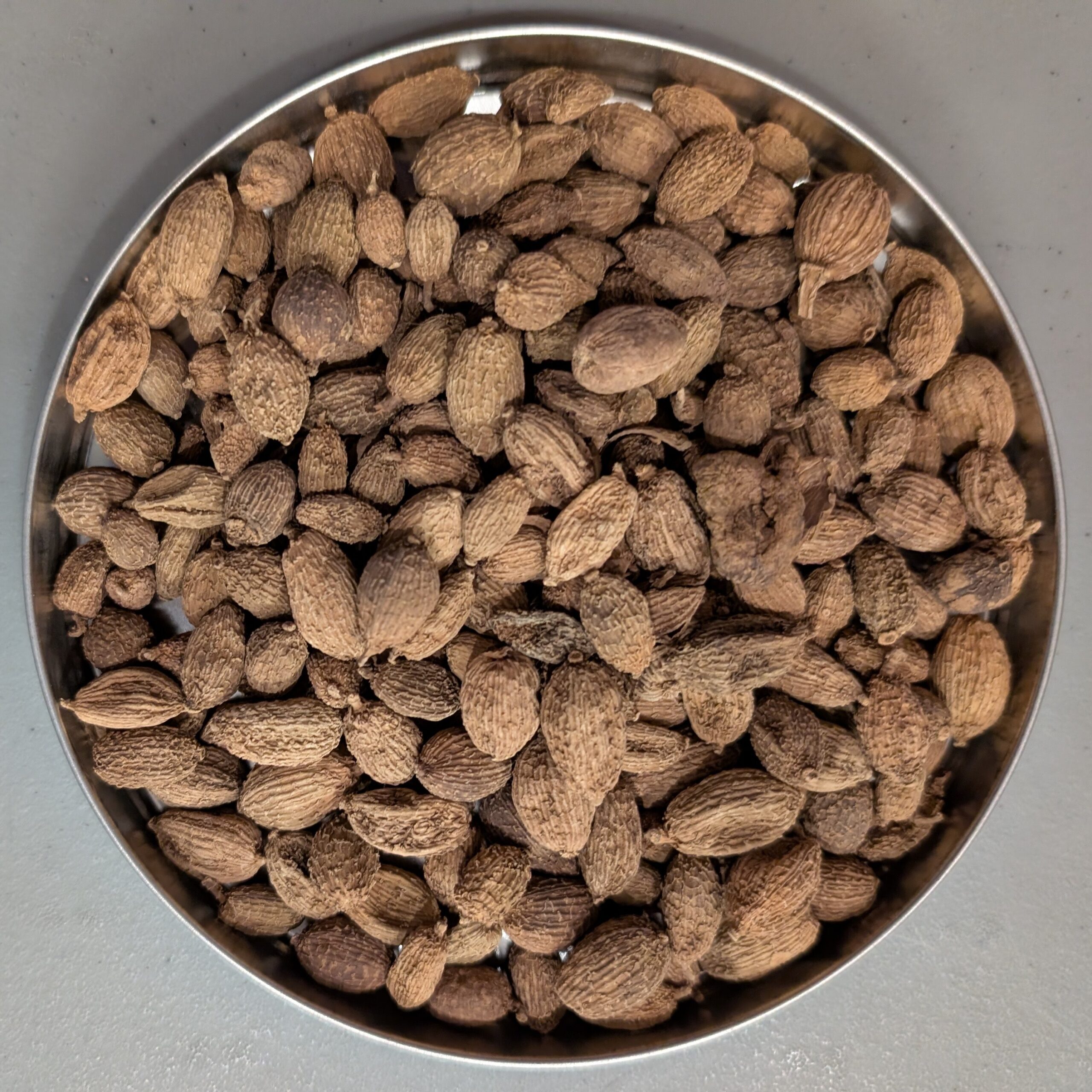
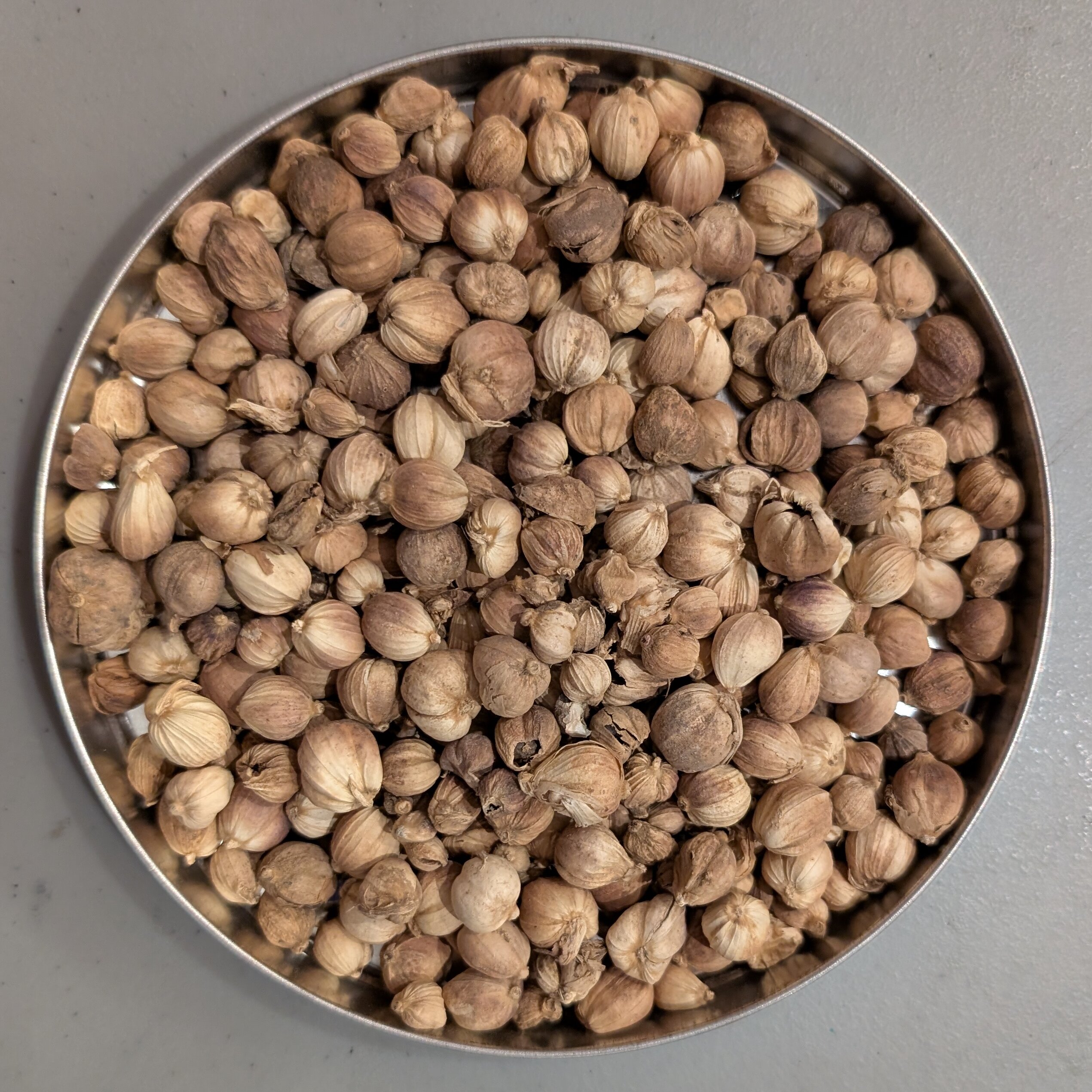
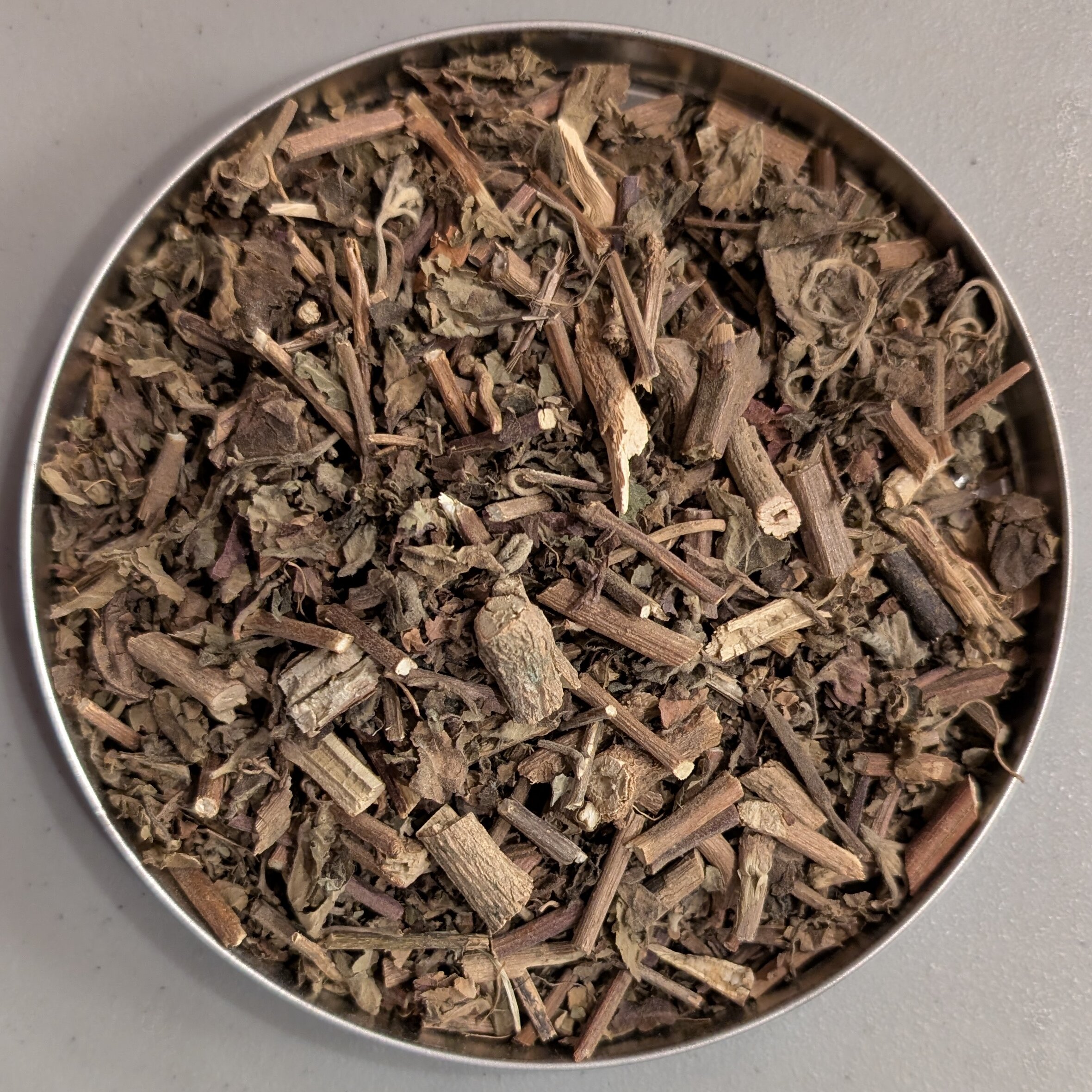
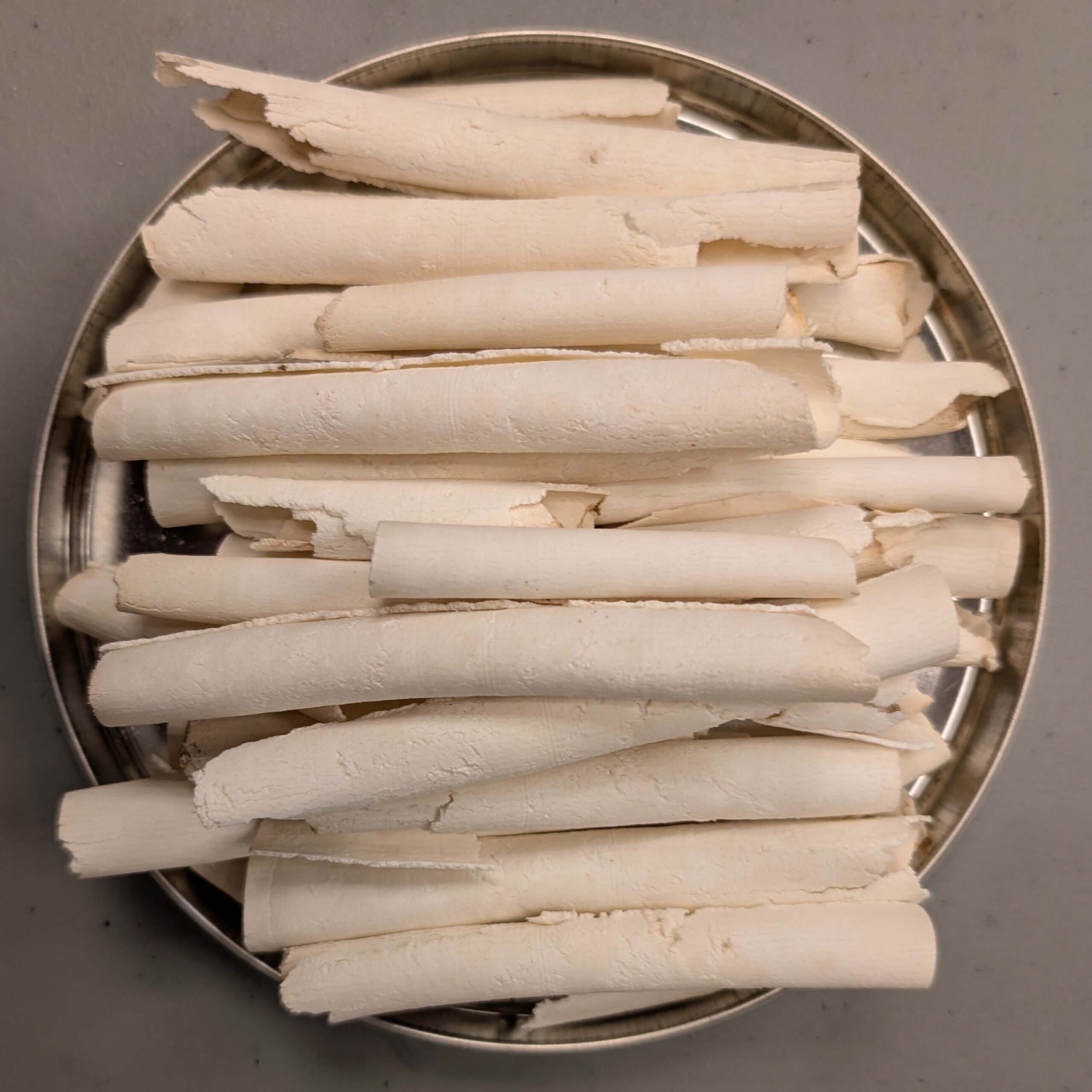
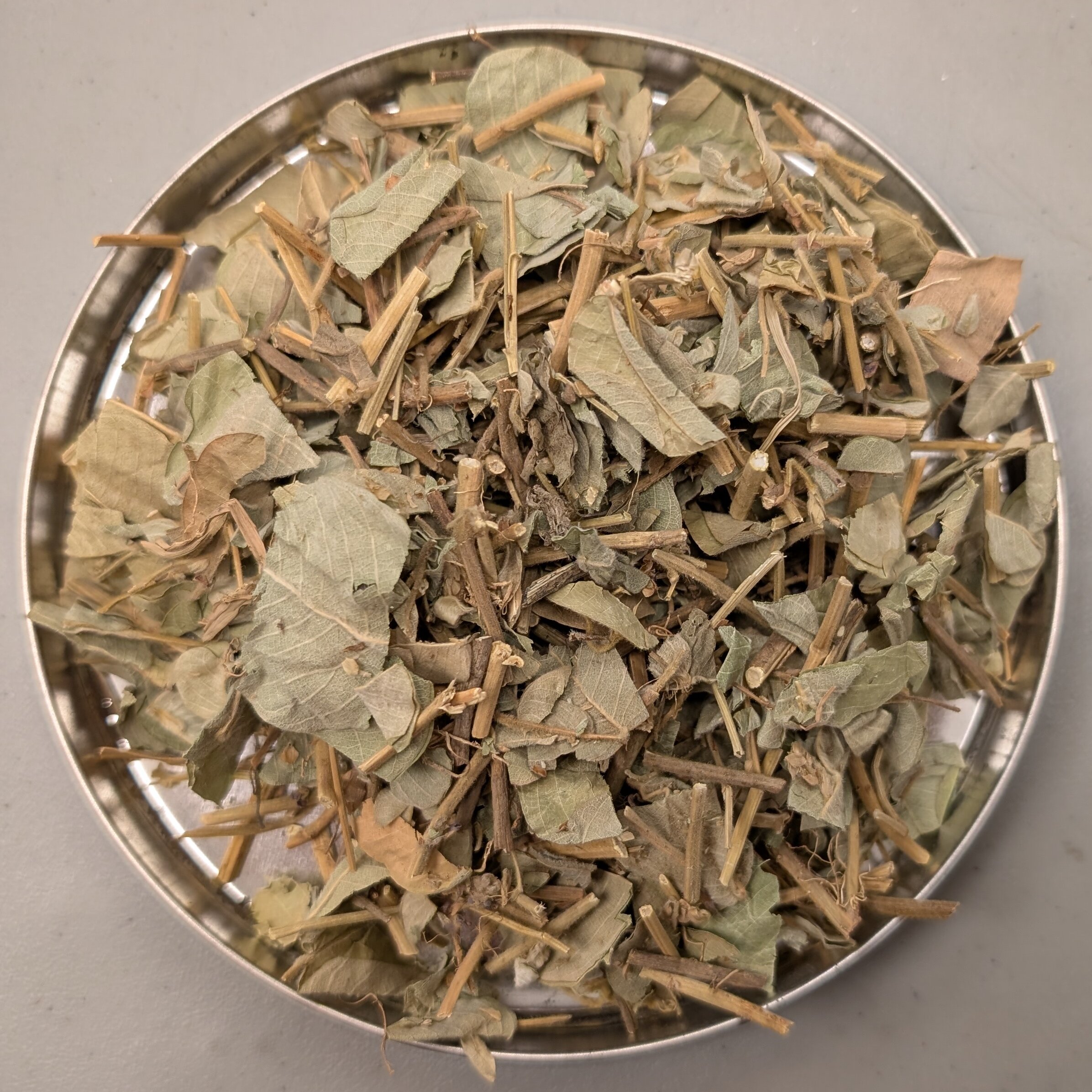
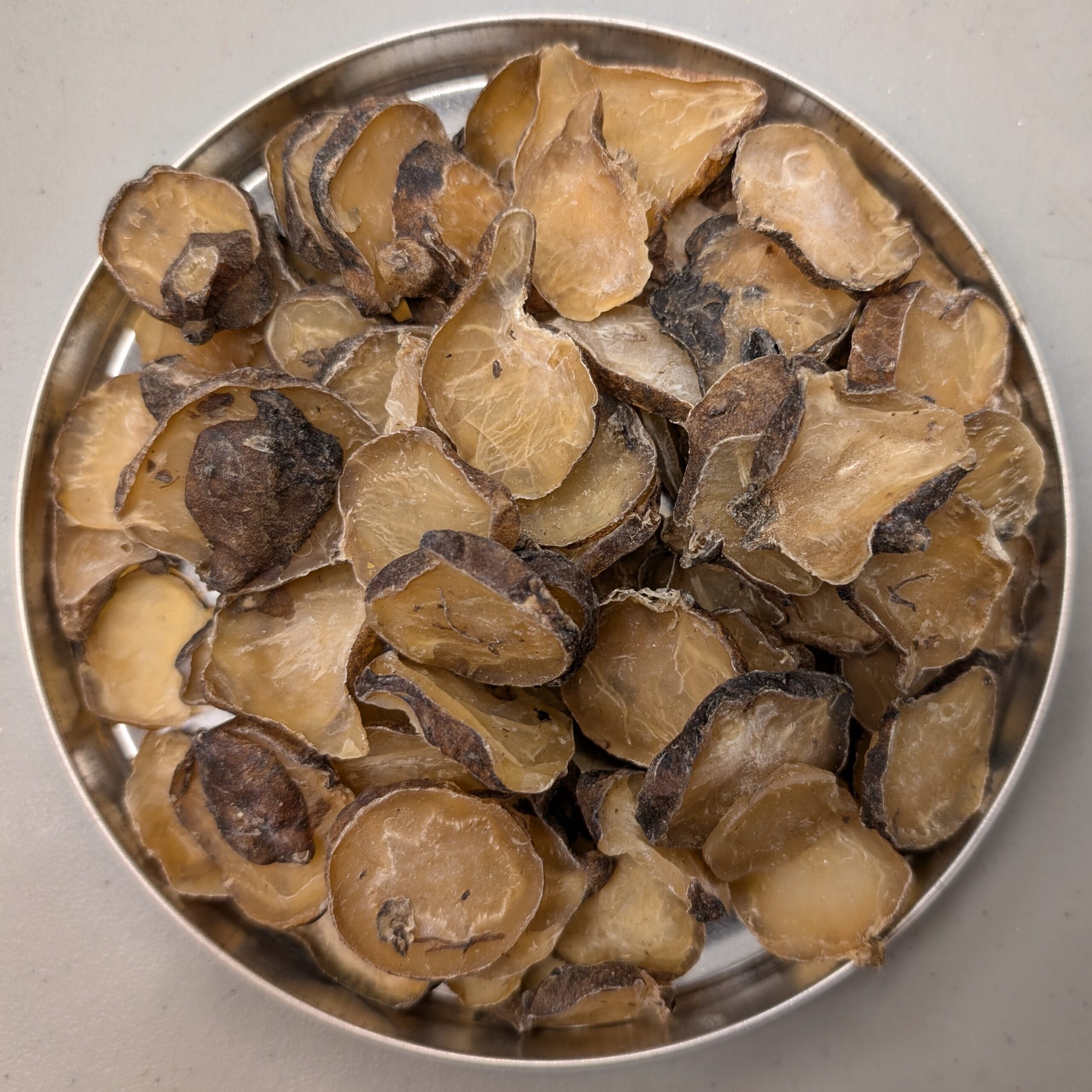
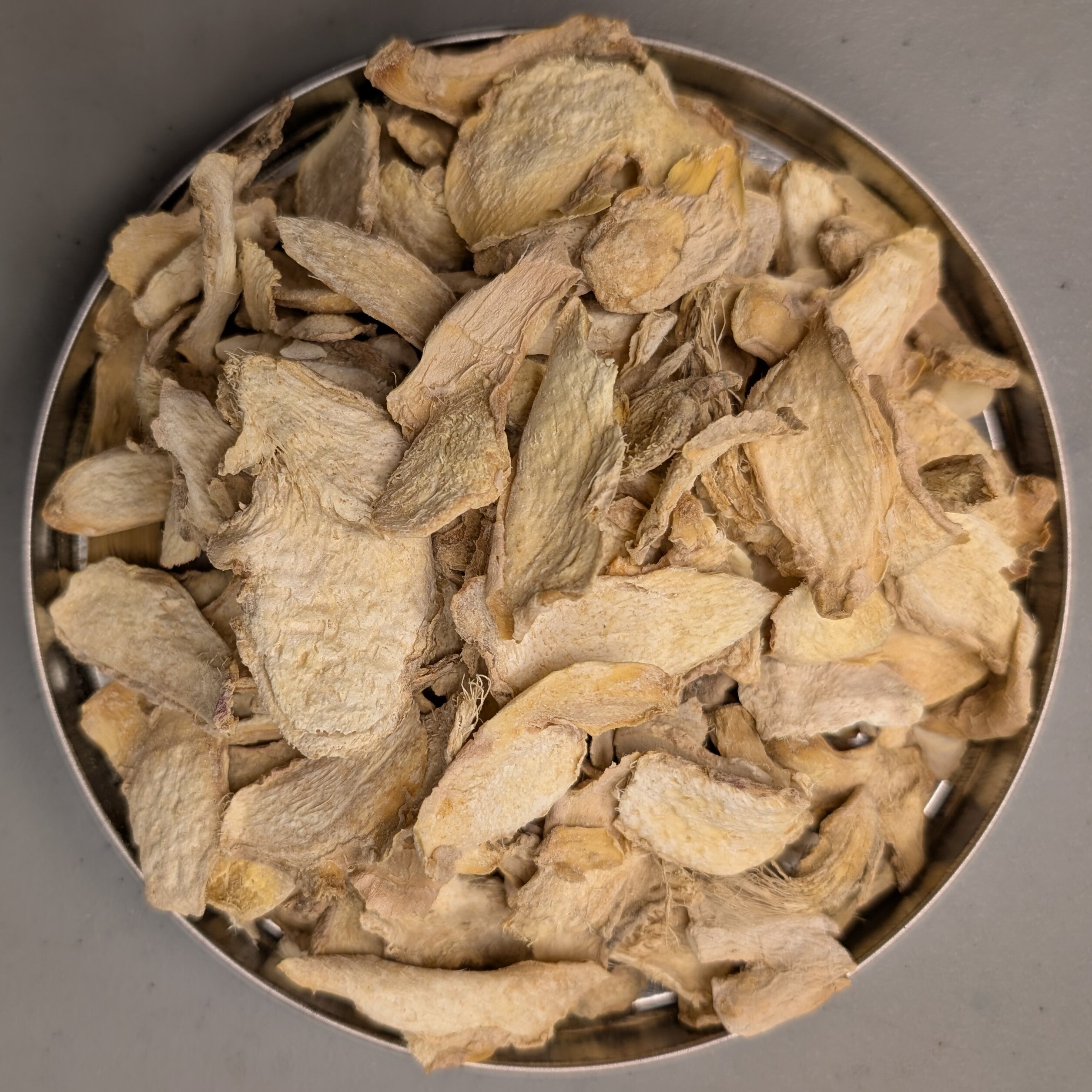
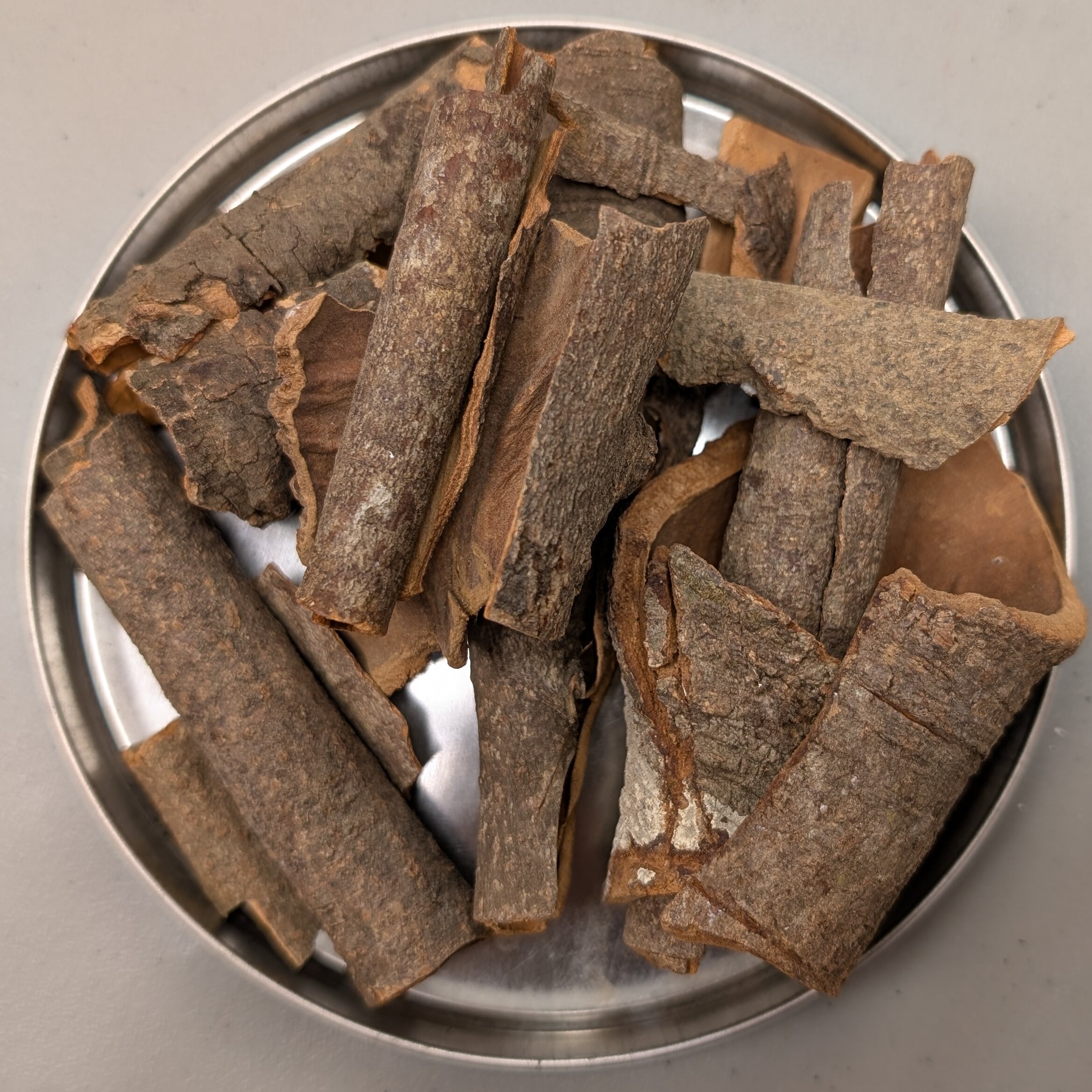
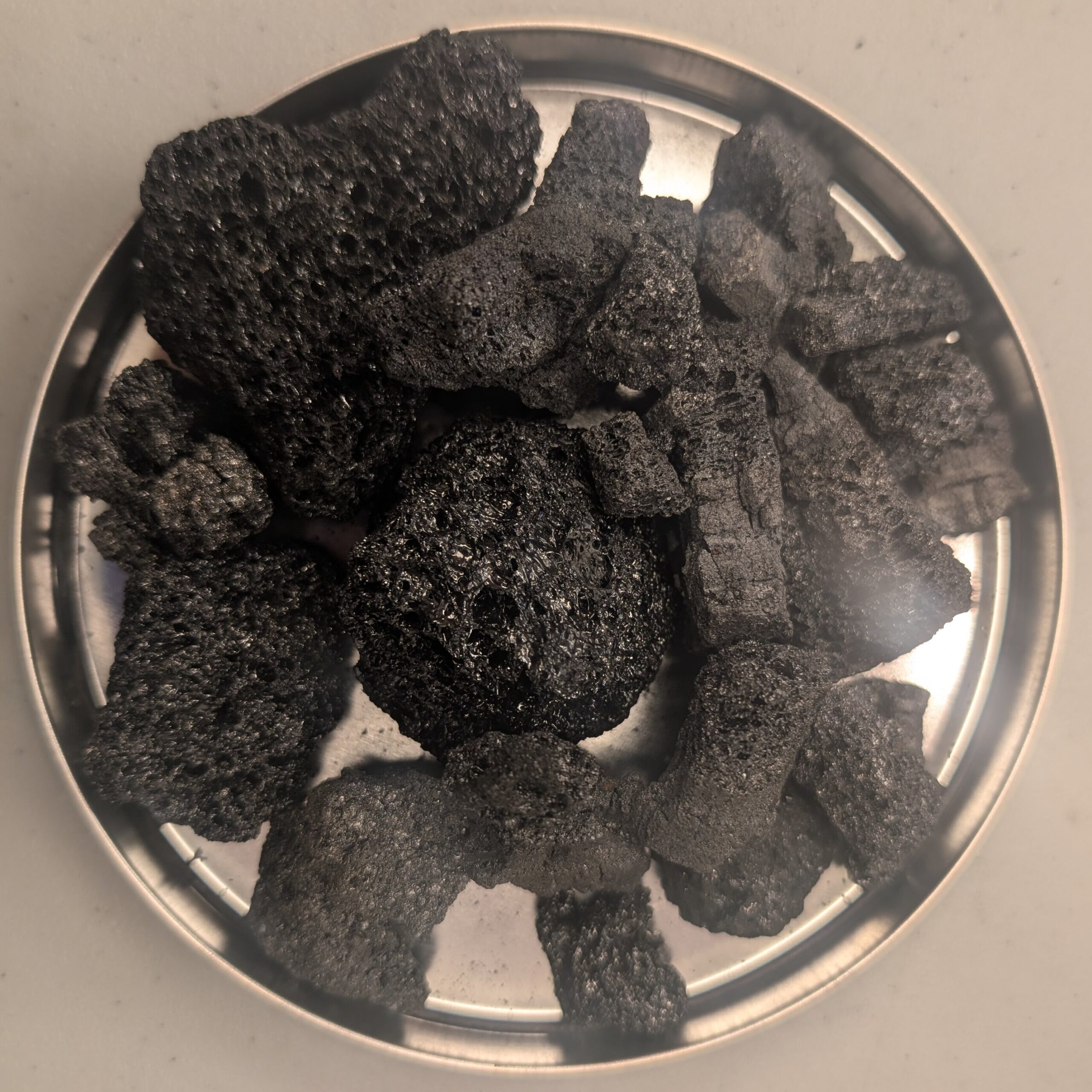
9.Herbs for improving digestion:
Shan Zha, Mai Ya, Lai Fu Zi
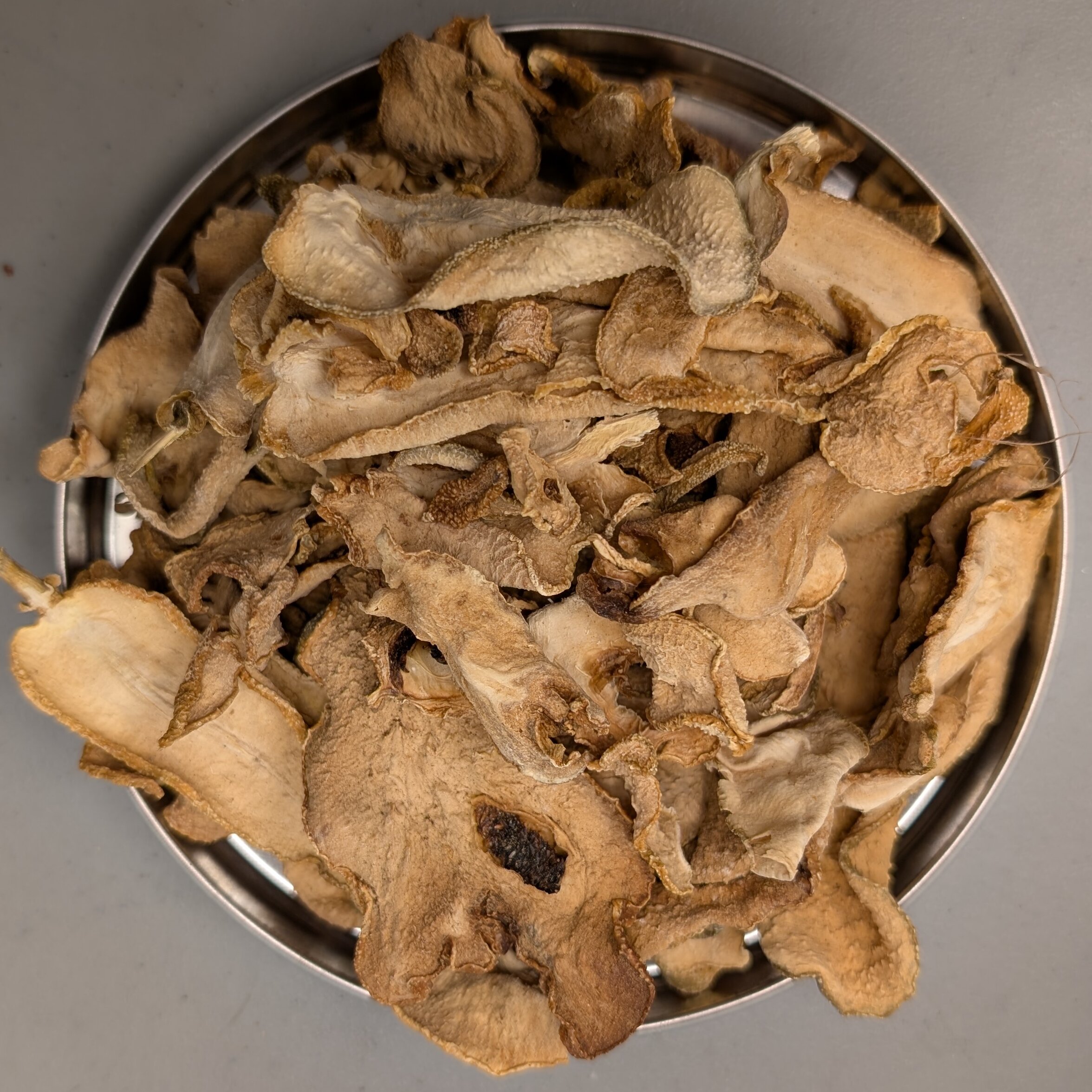
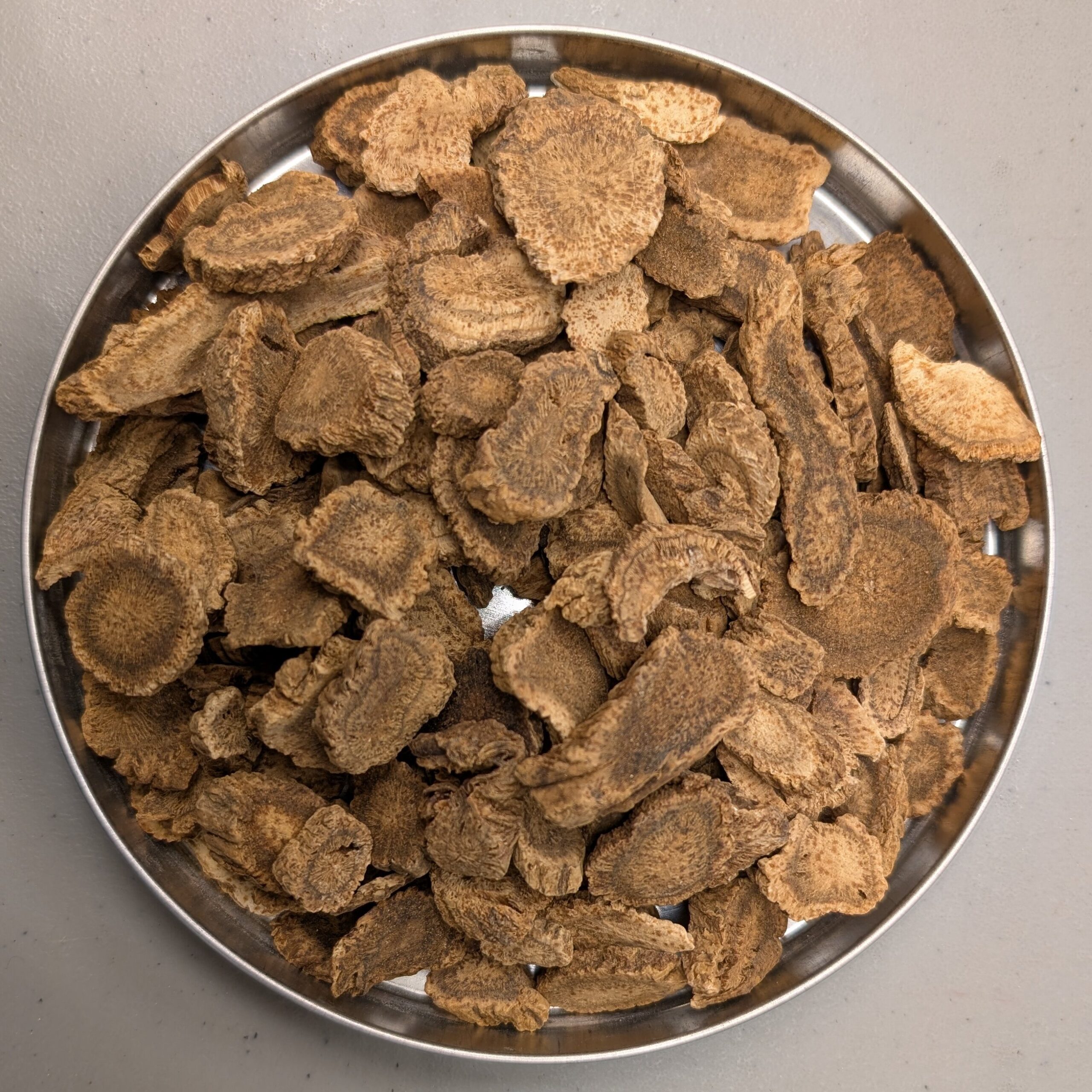
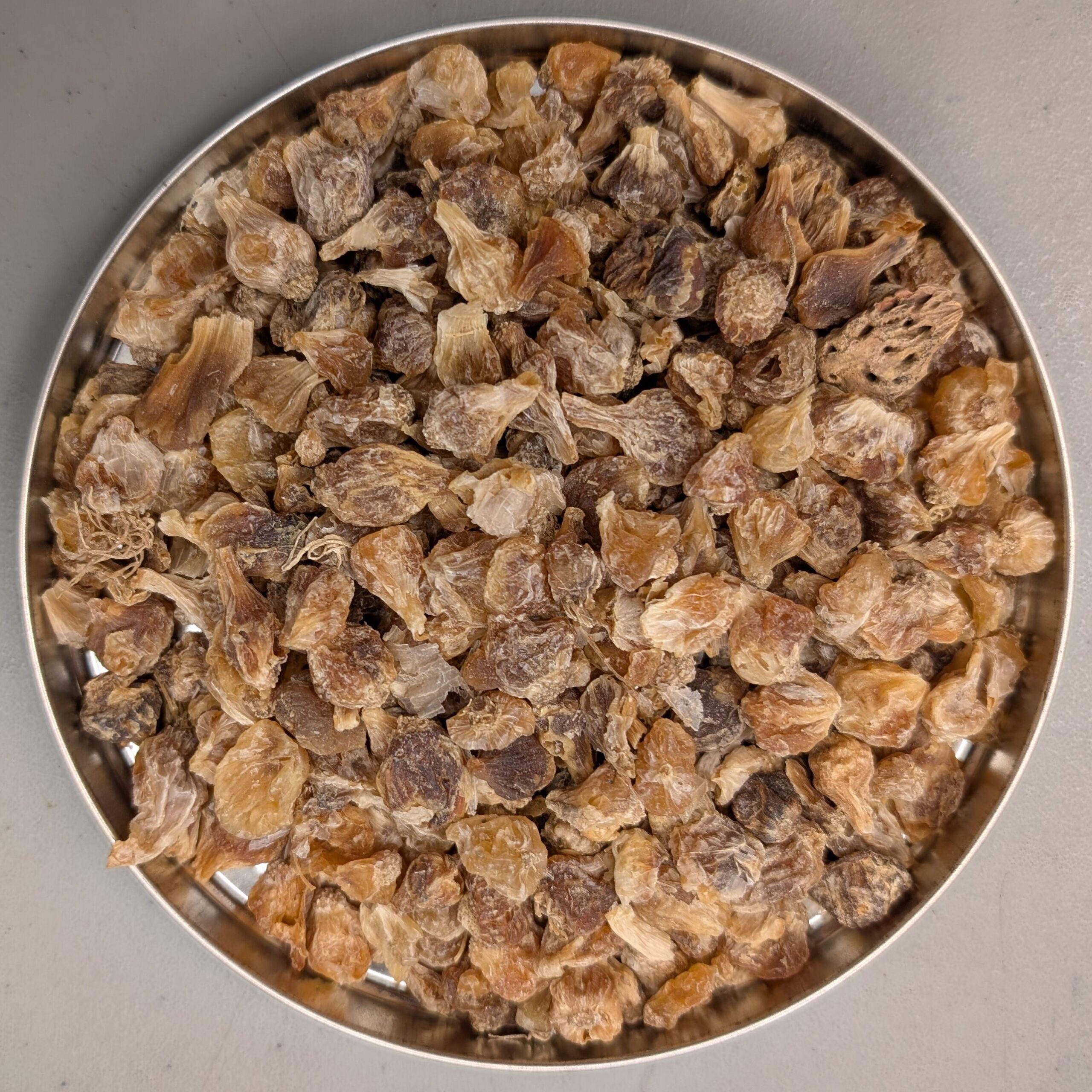
Shan Zha
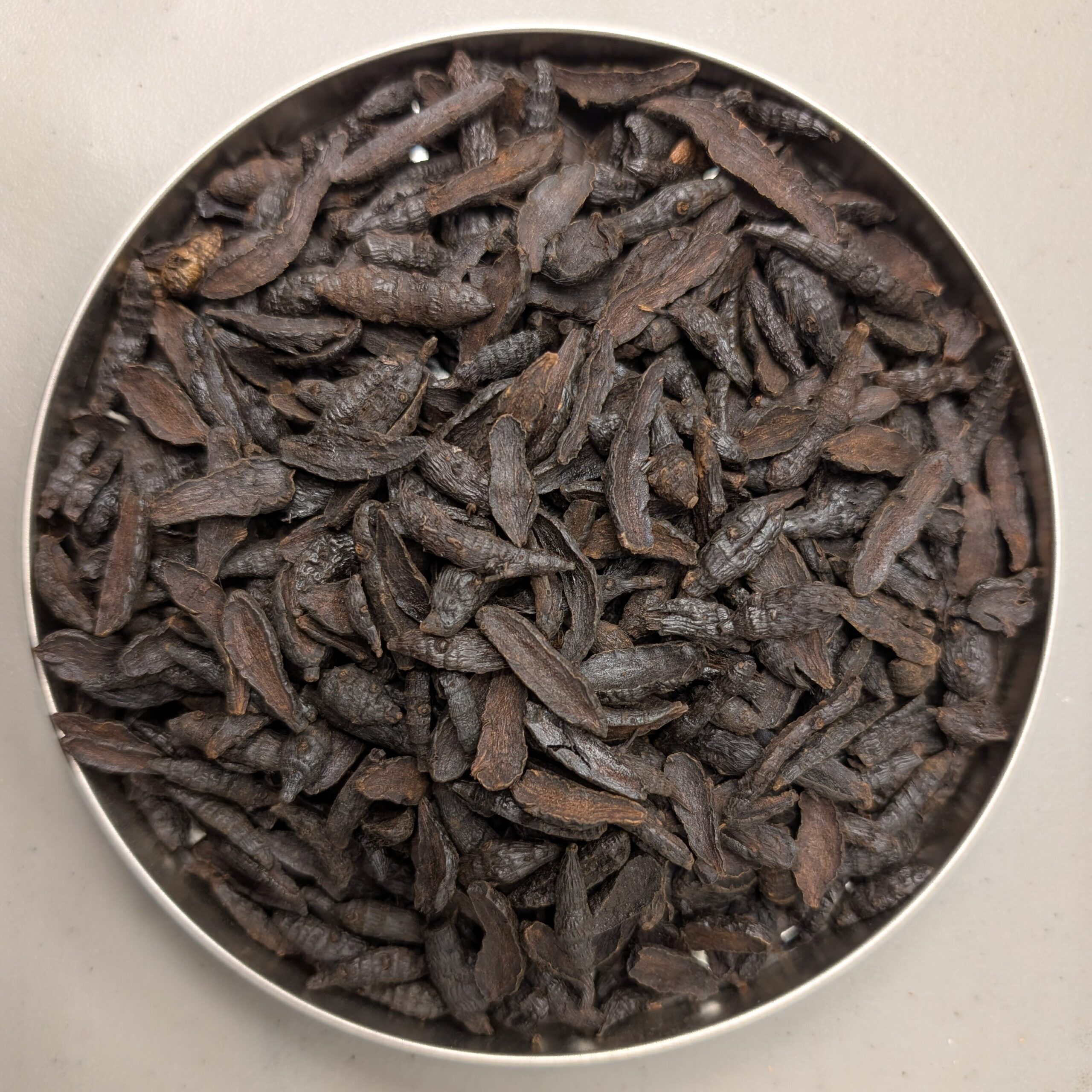
Lai Fu Zi
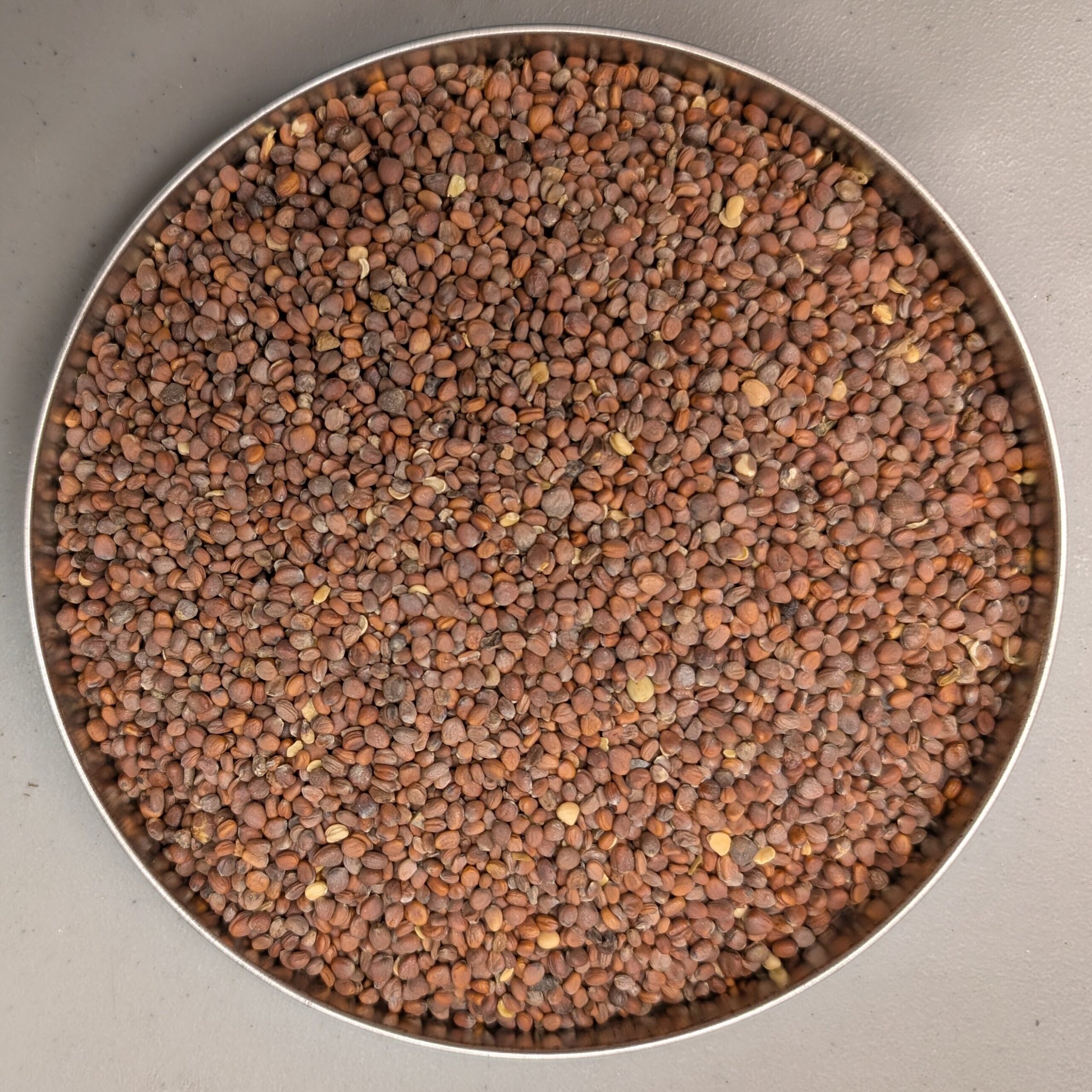
Mai Ya
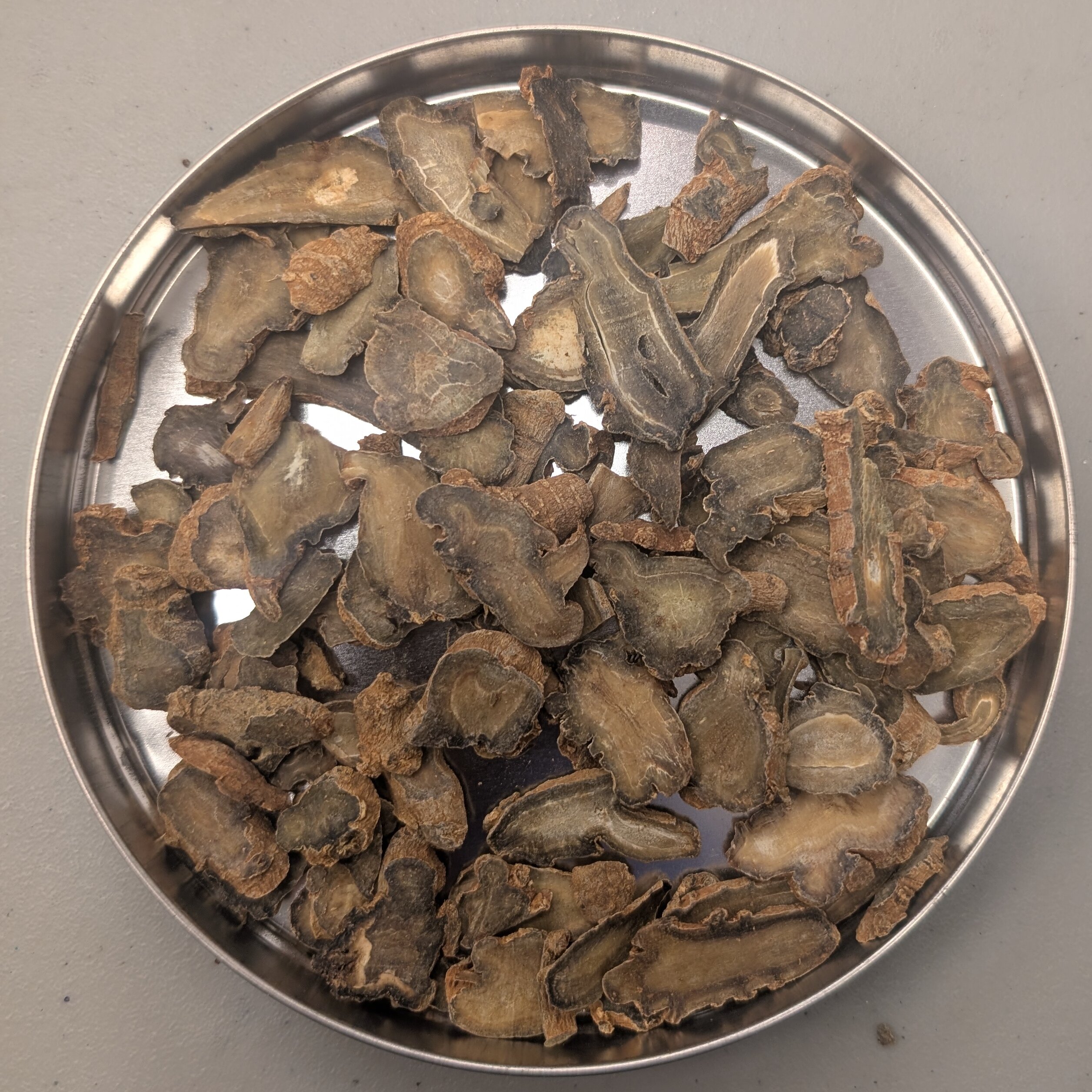
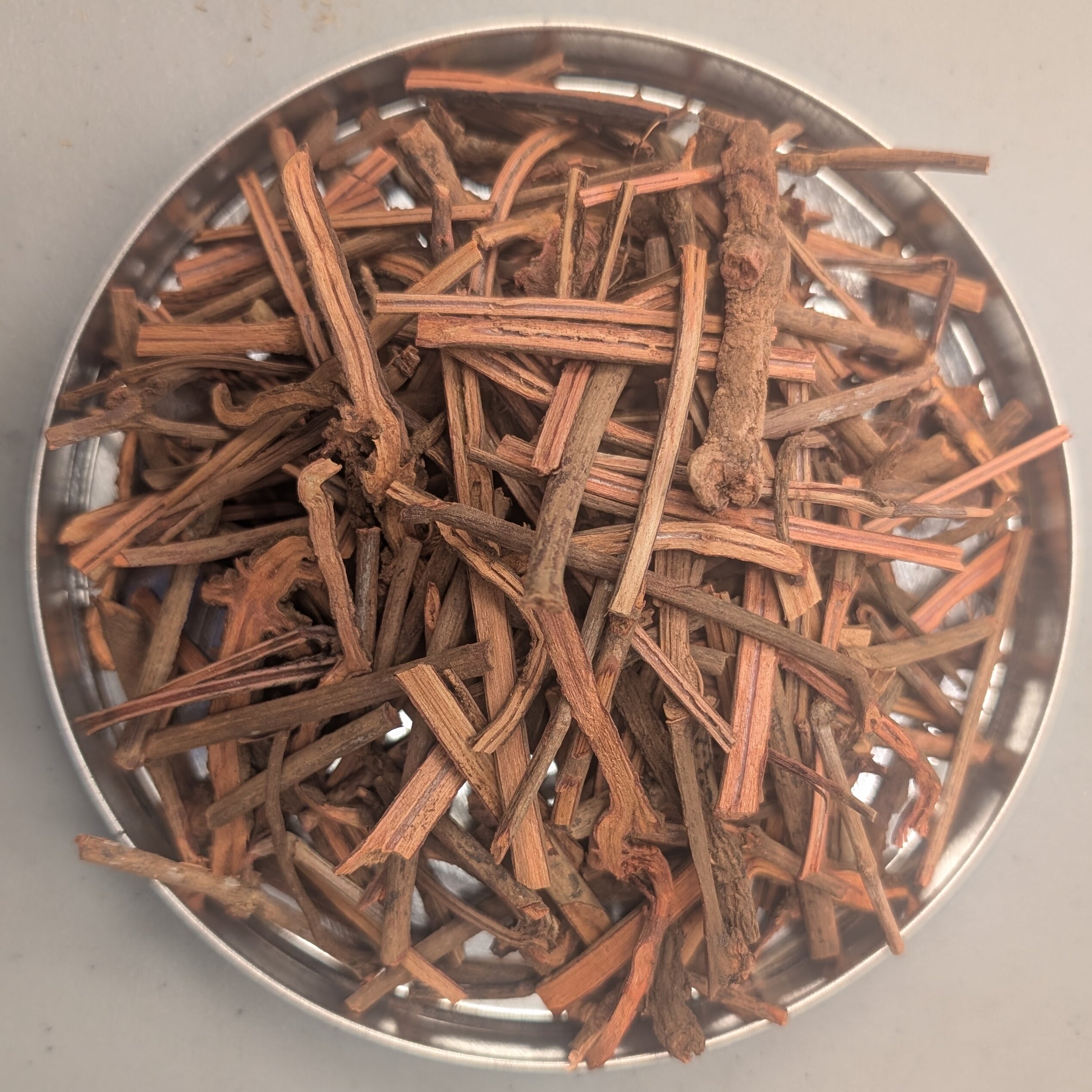
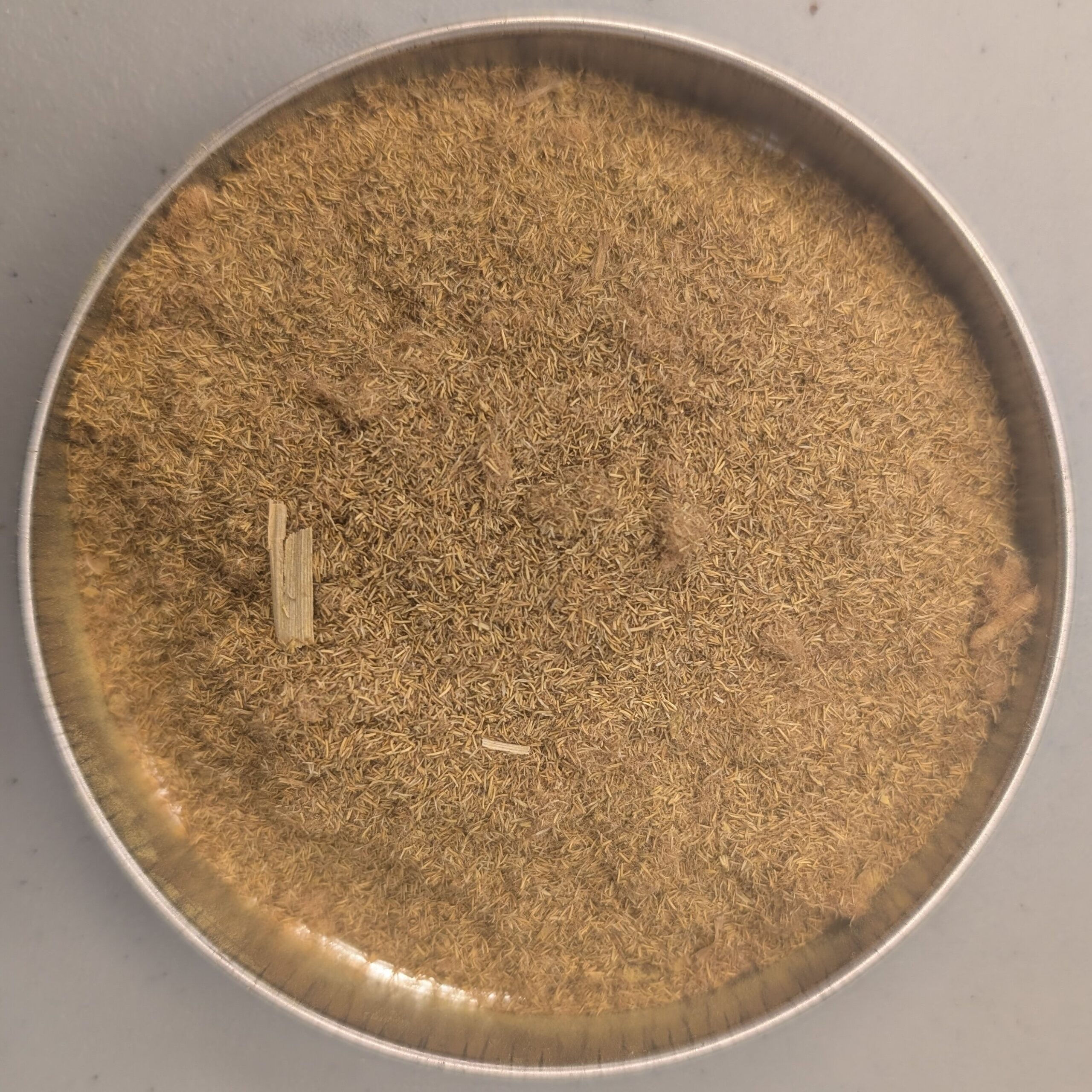
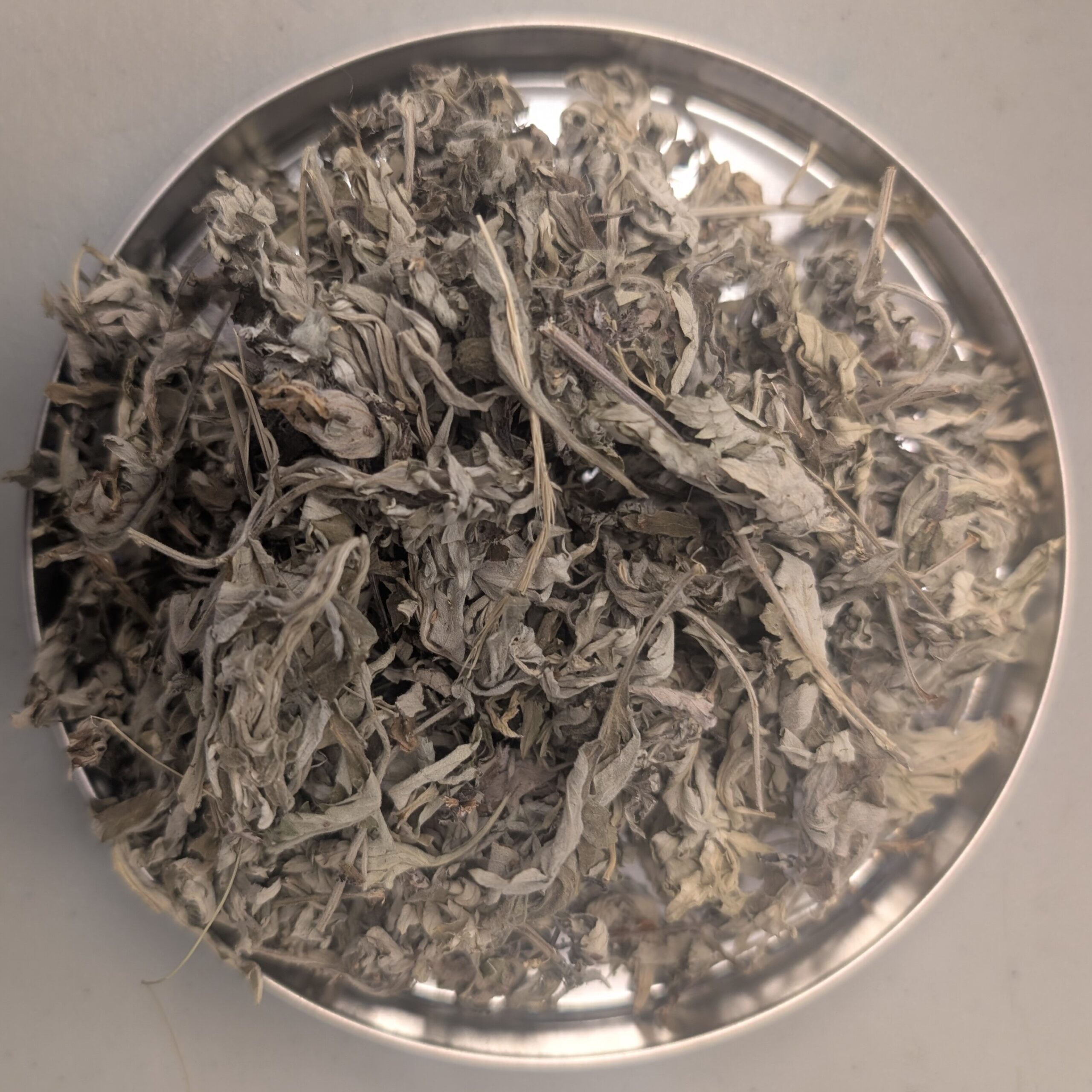
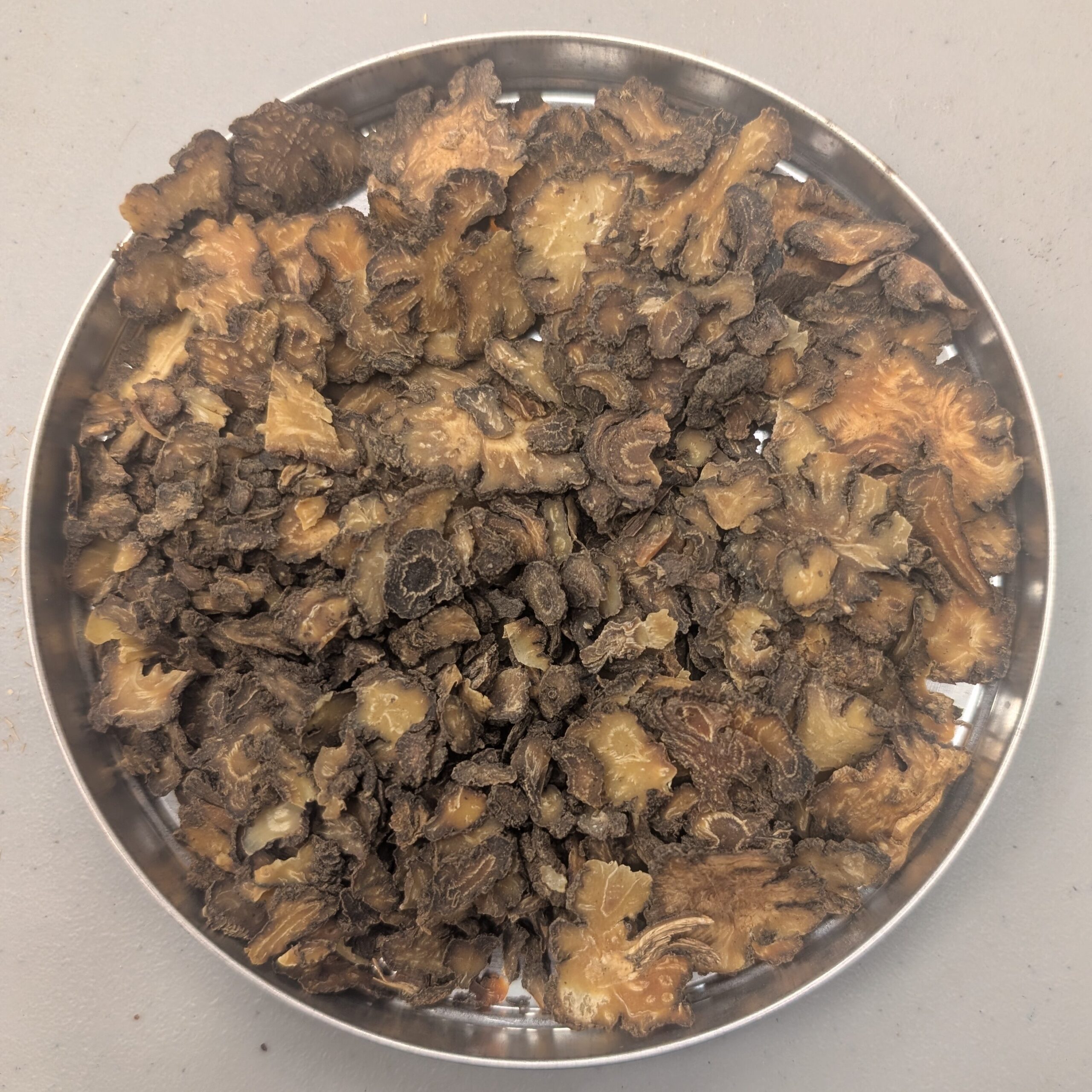
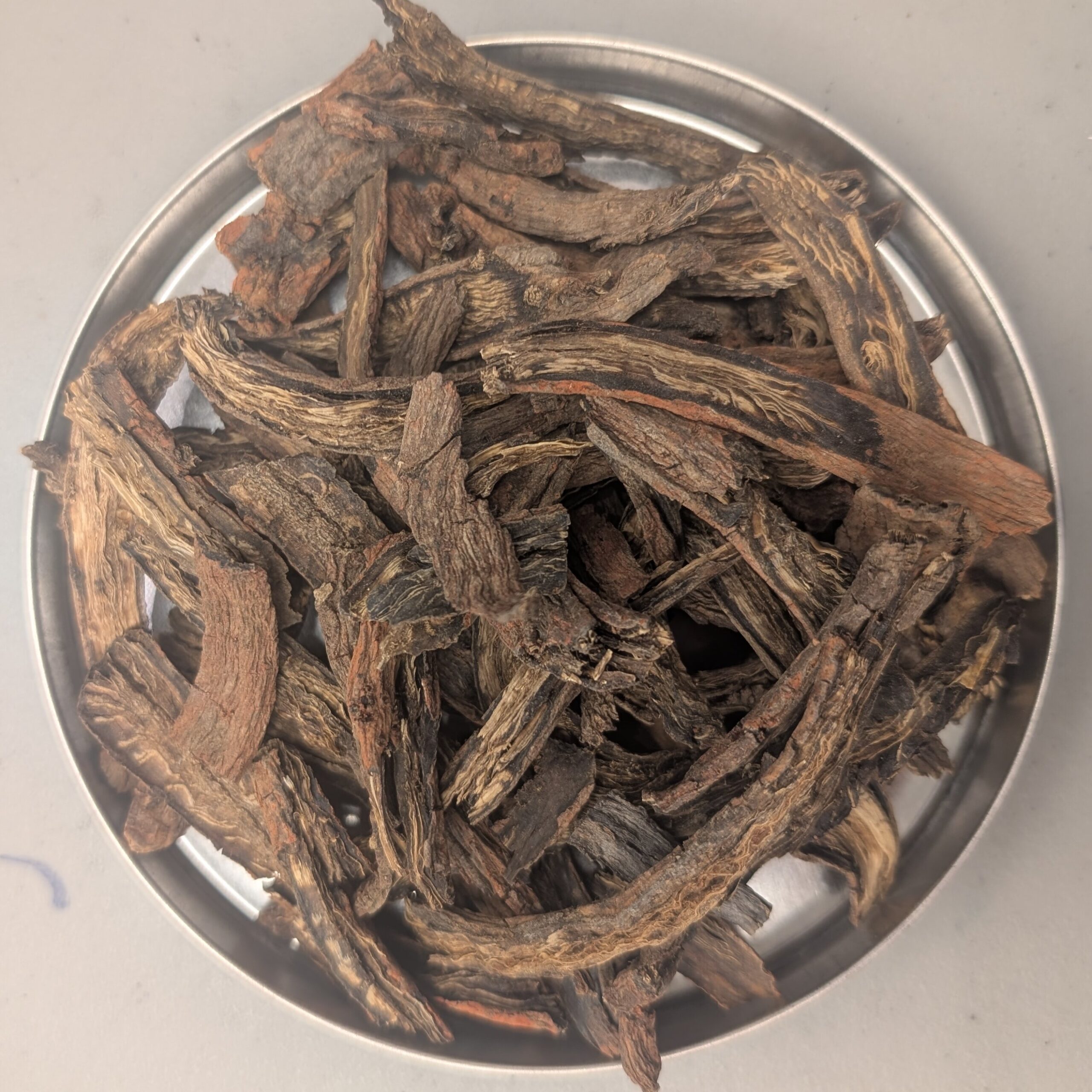
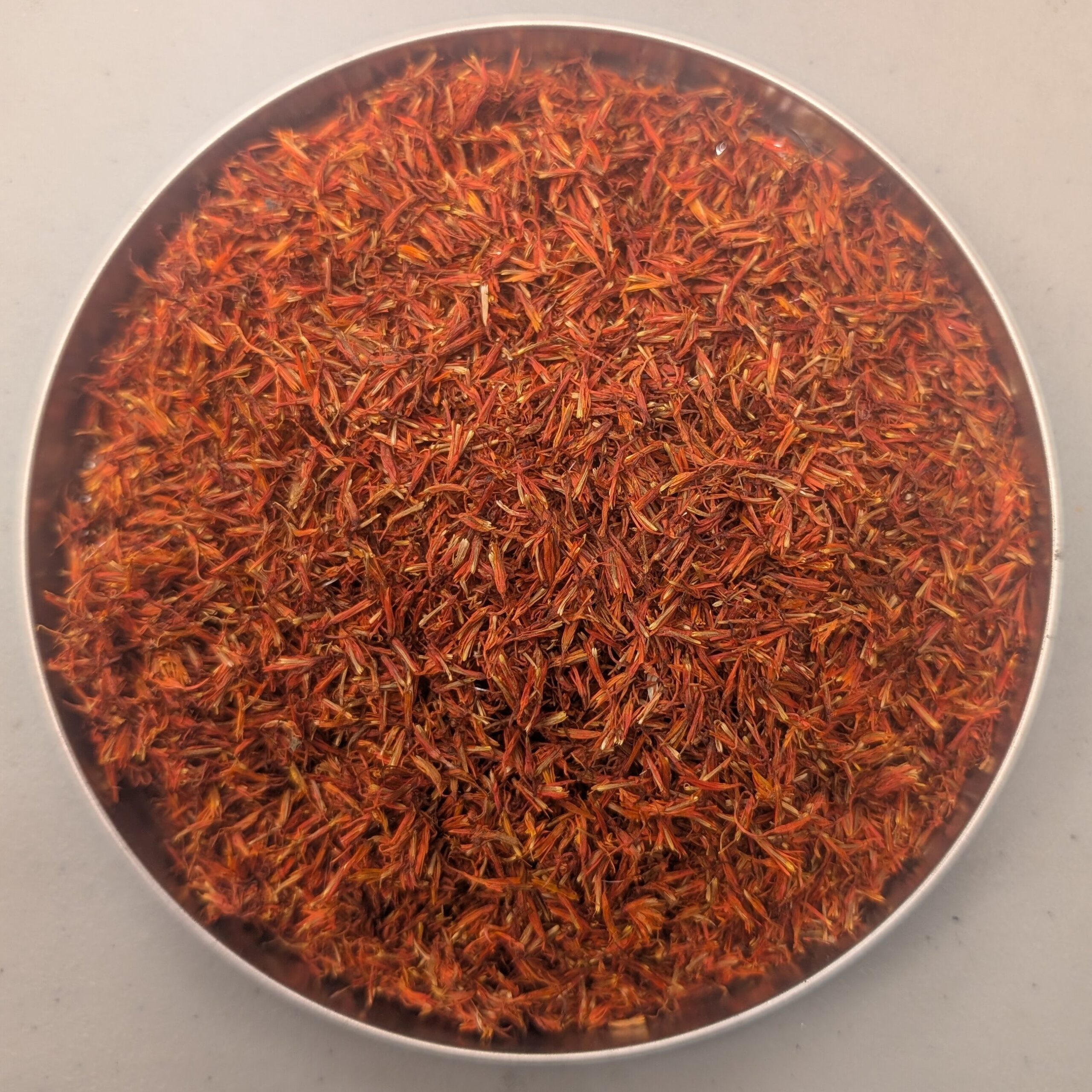
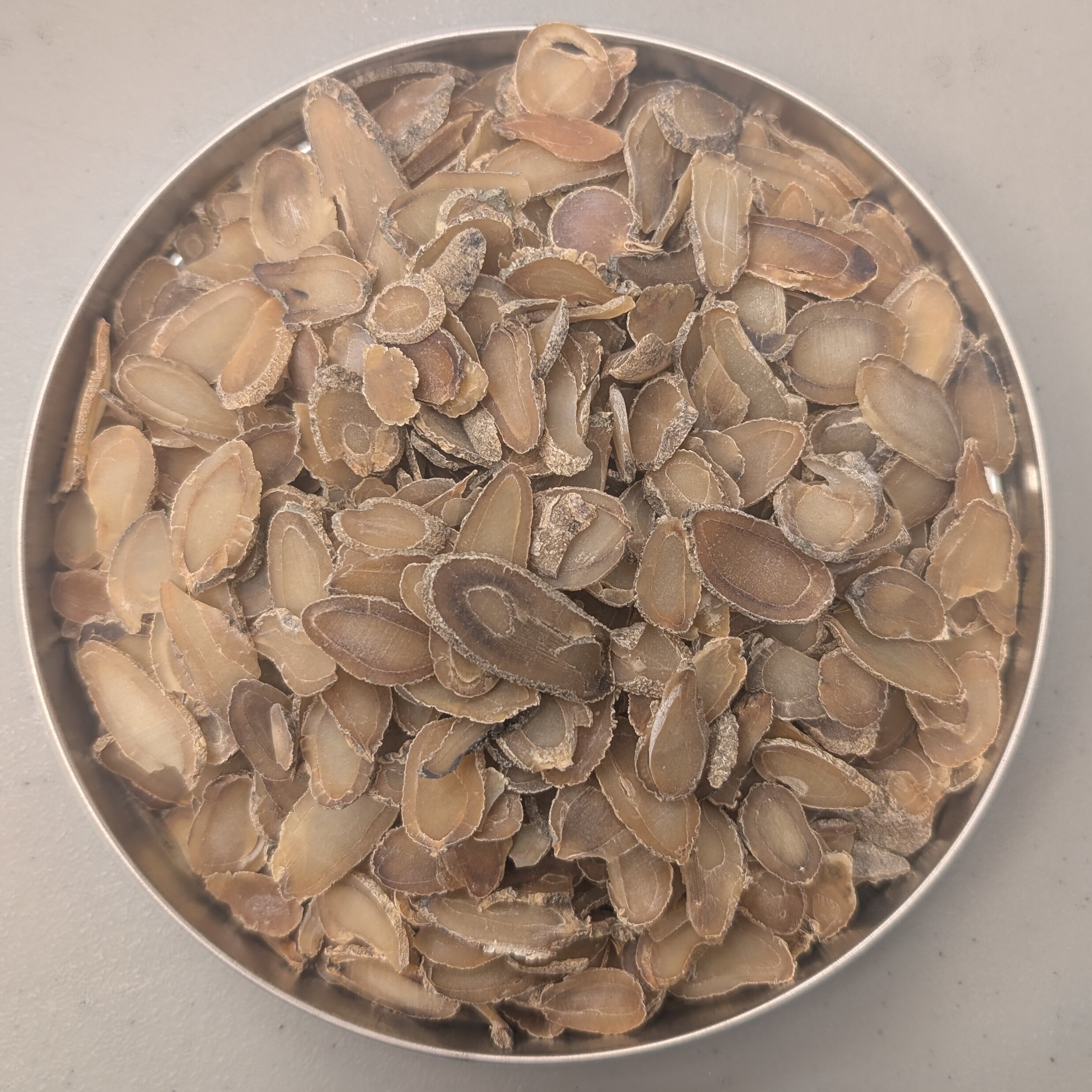
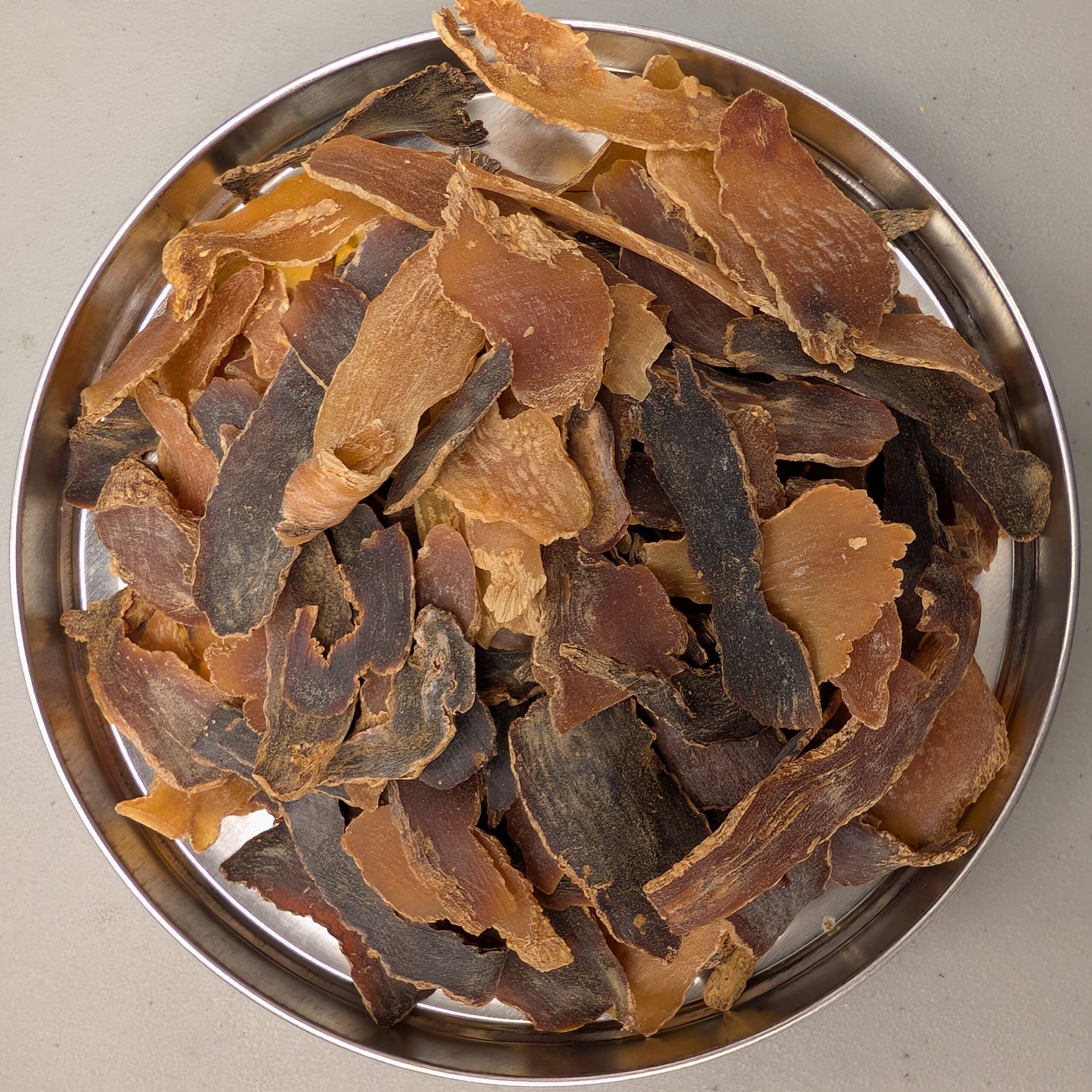
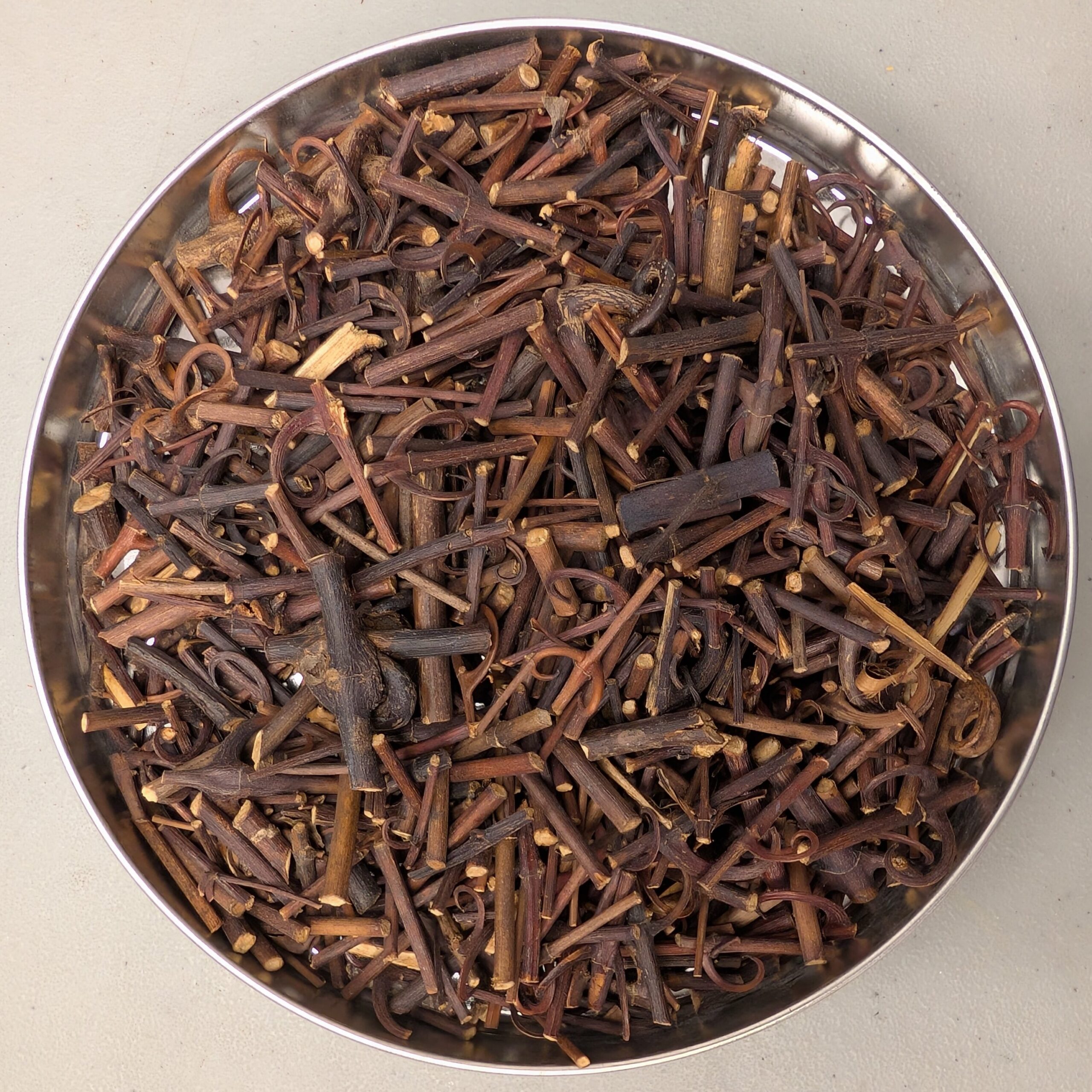
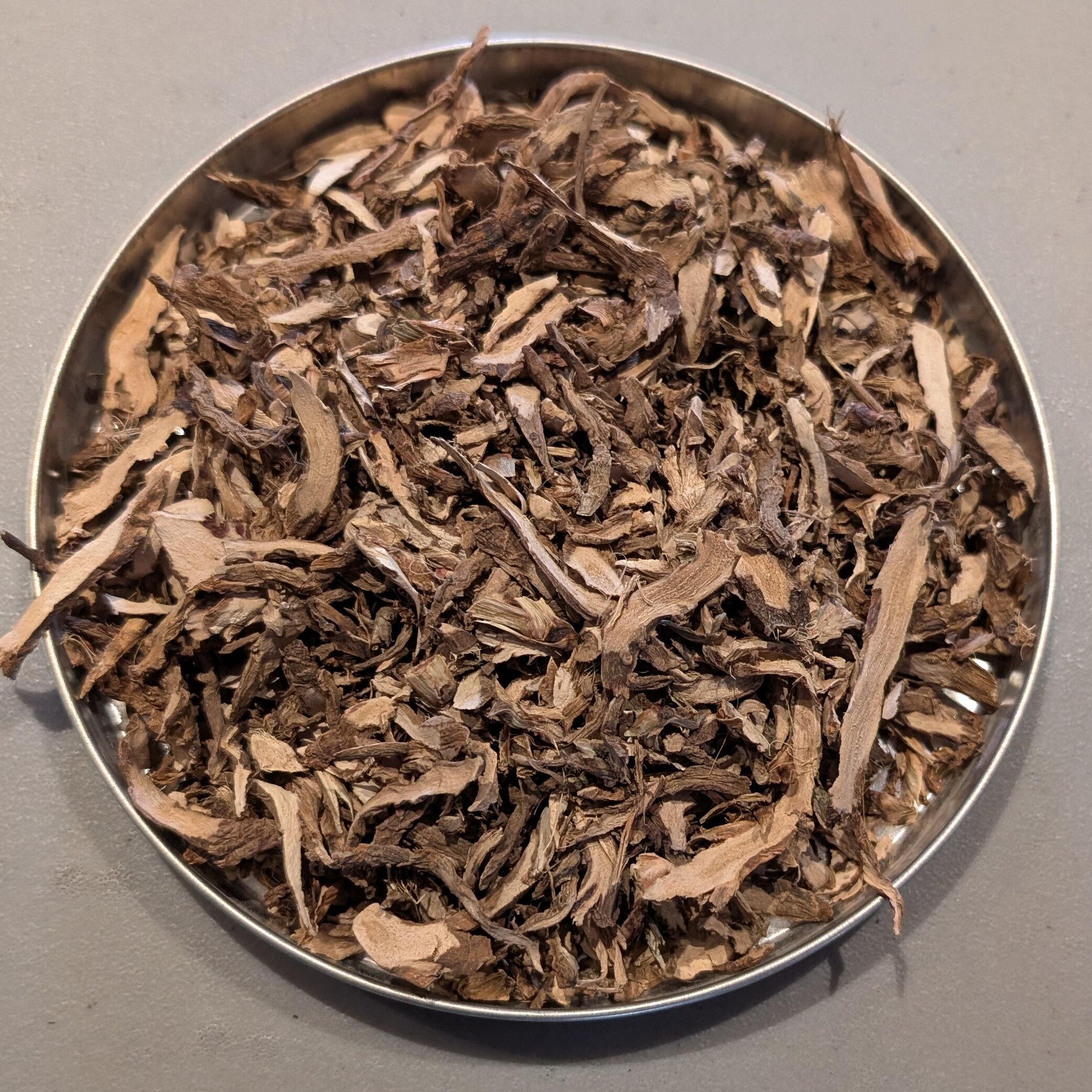
17-1 Qi tonics:
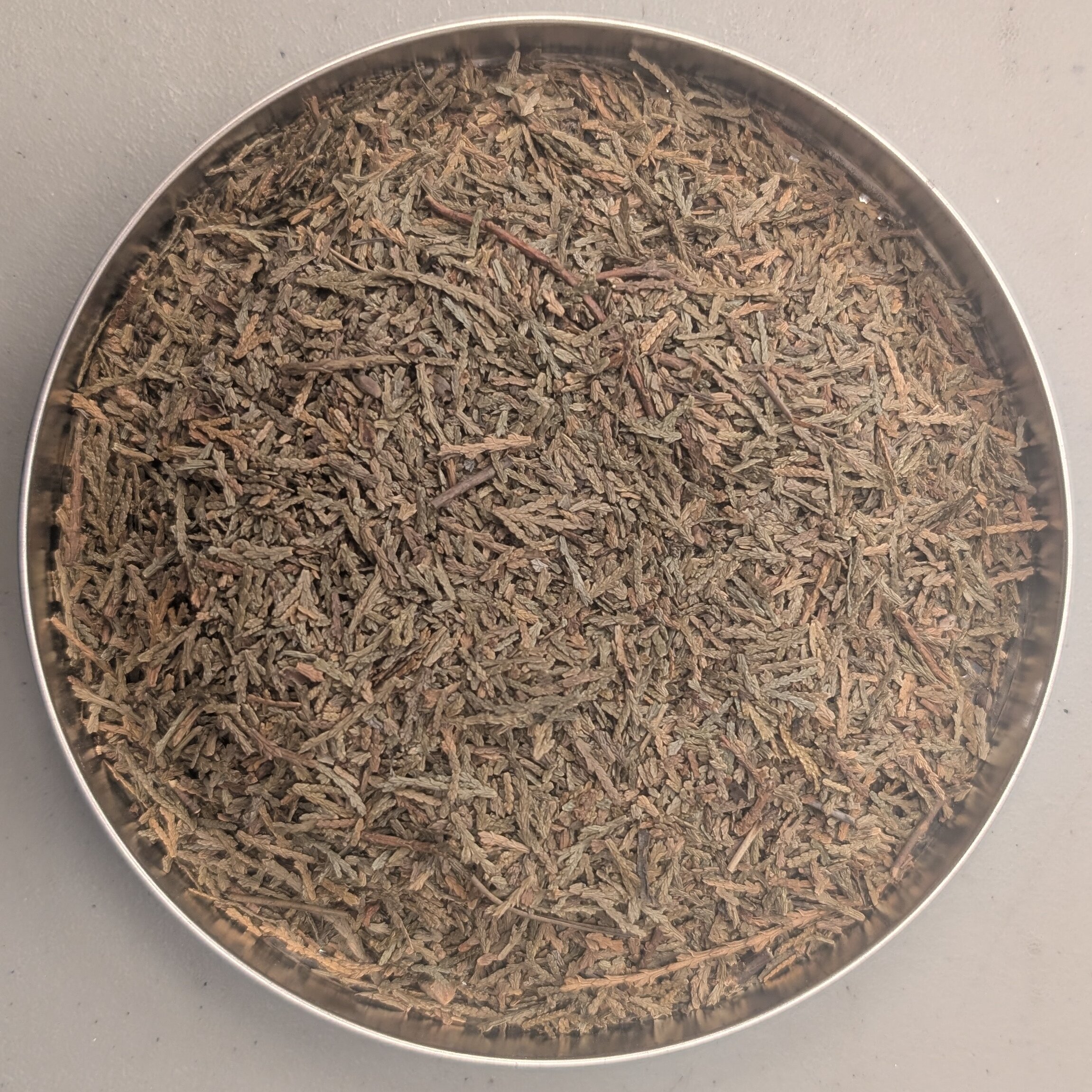
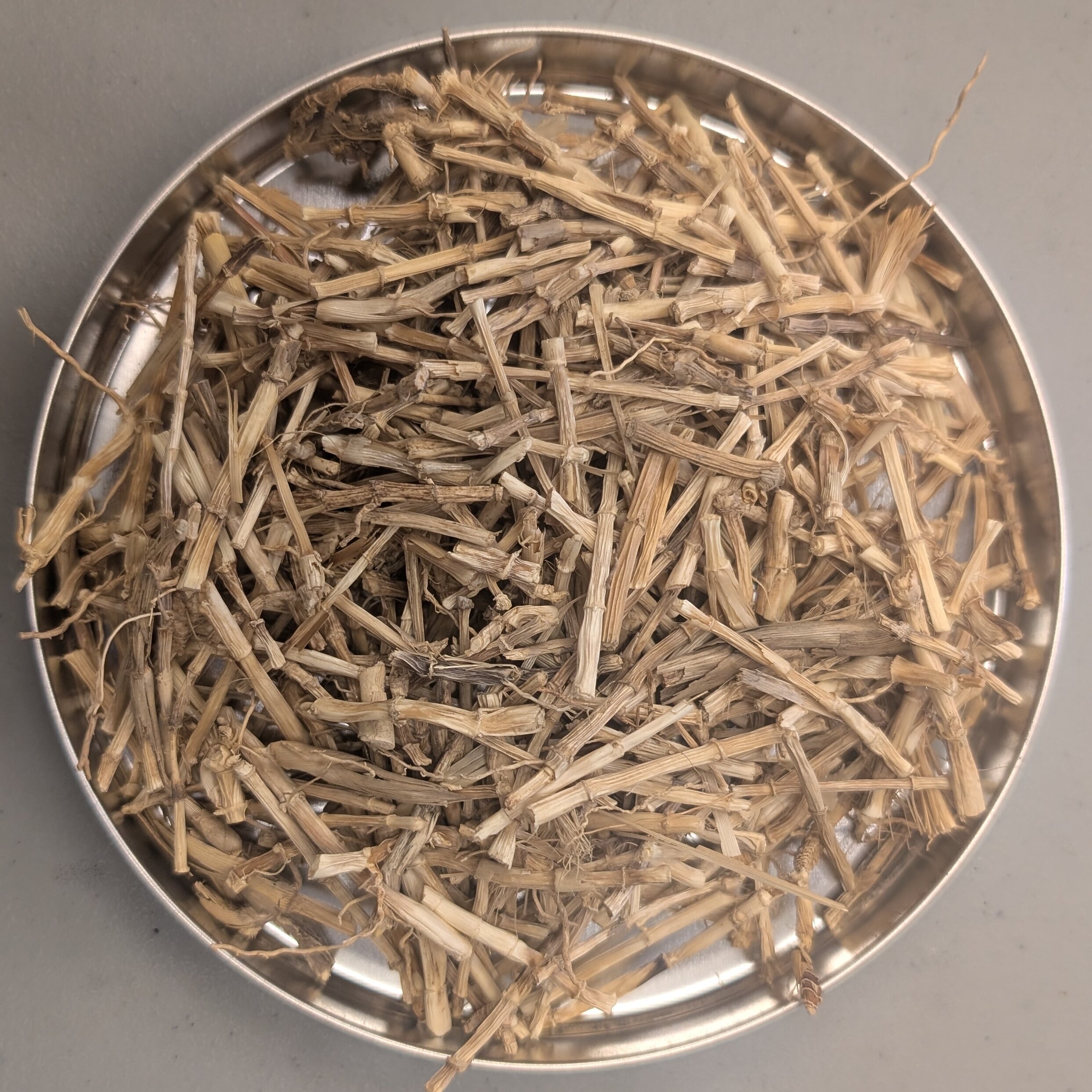
Dang Shen, Xi Yang Shen, Huang Qi, Bai Zhu, Shan Yao, Gan Cao, Zhi Gan Cao, Bai Bian Dou, Da Zao
Dang Shen
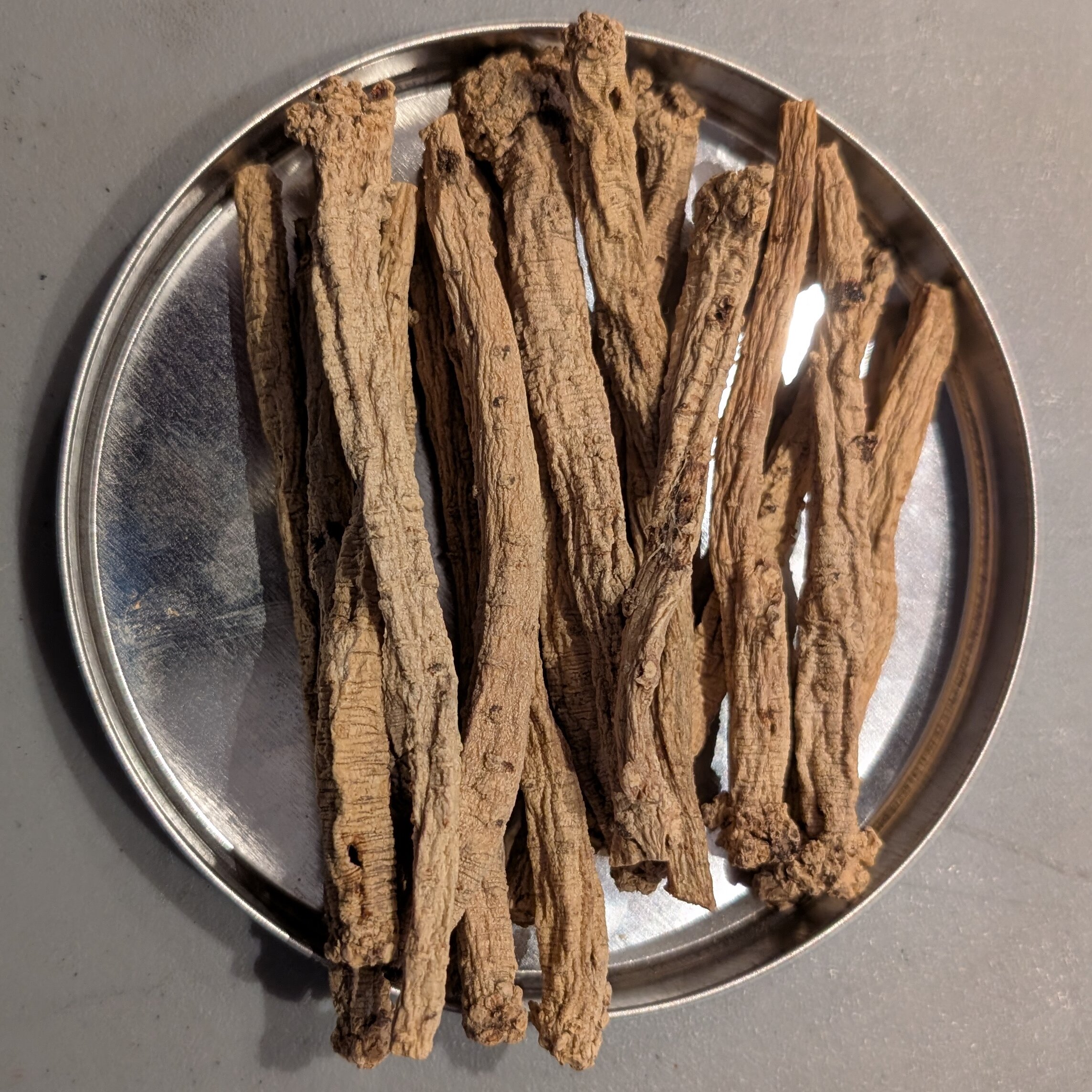
Xi Yang Shen
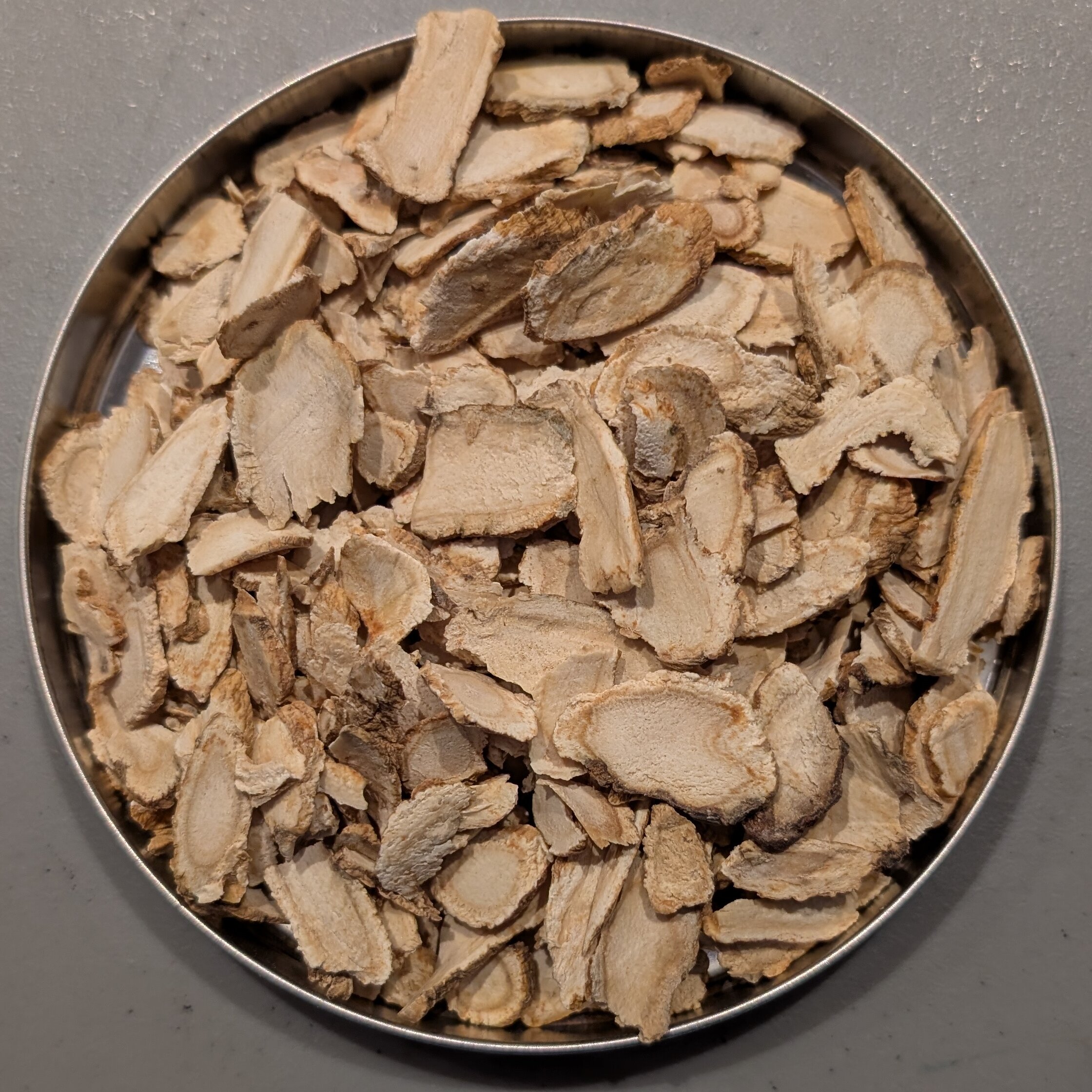
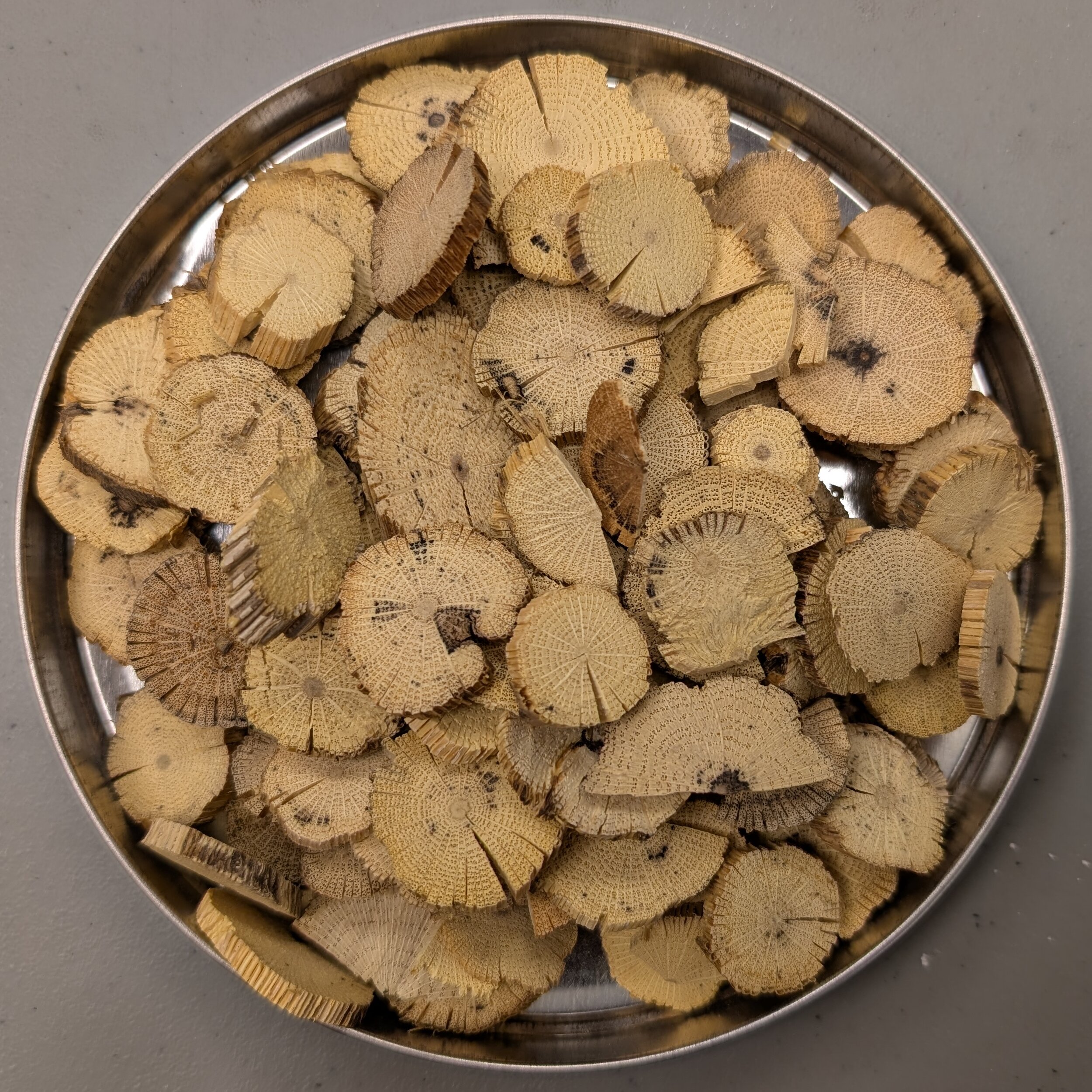
Bai Zhu
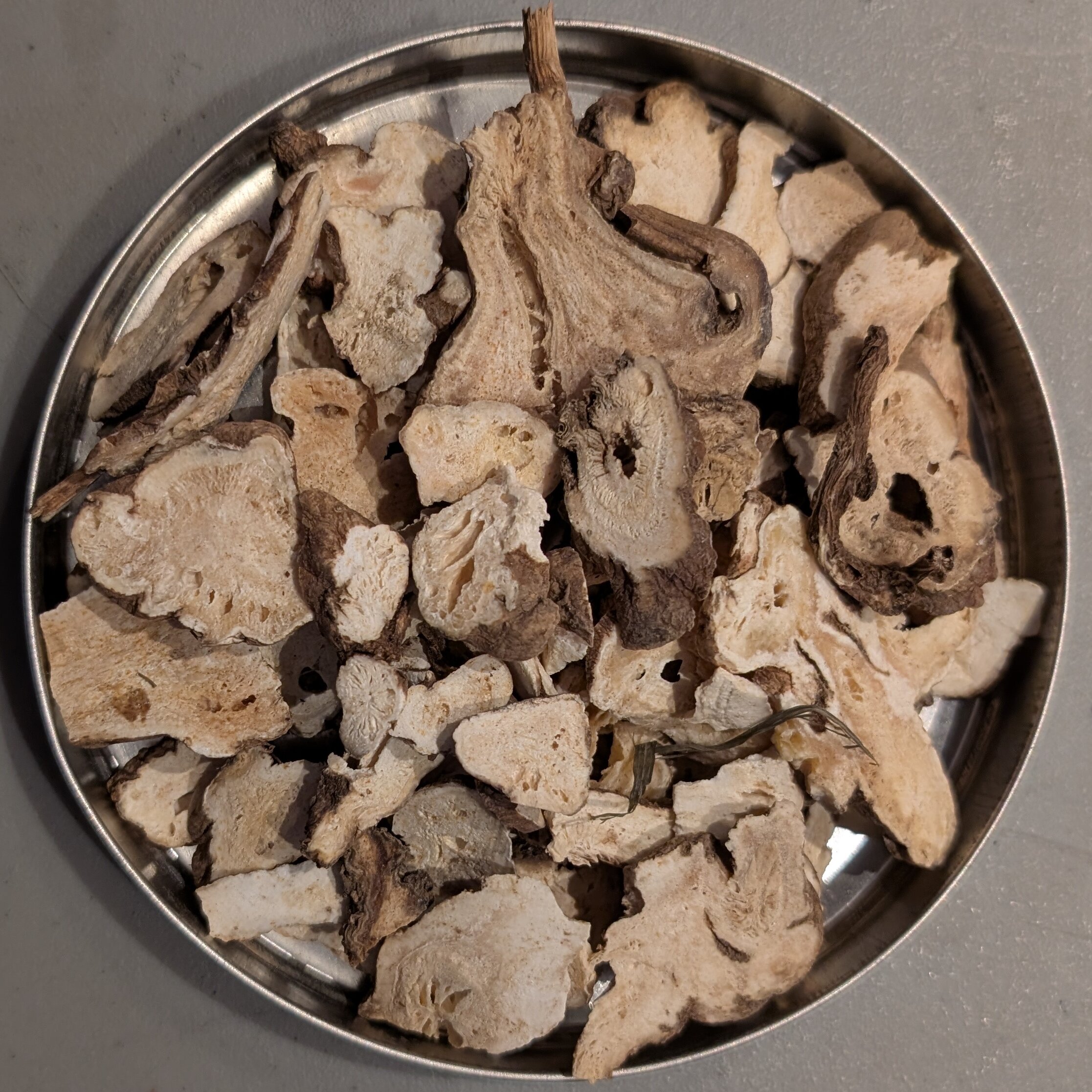
Bai Bian Dou
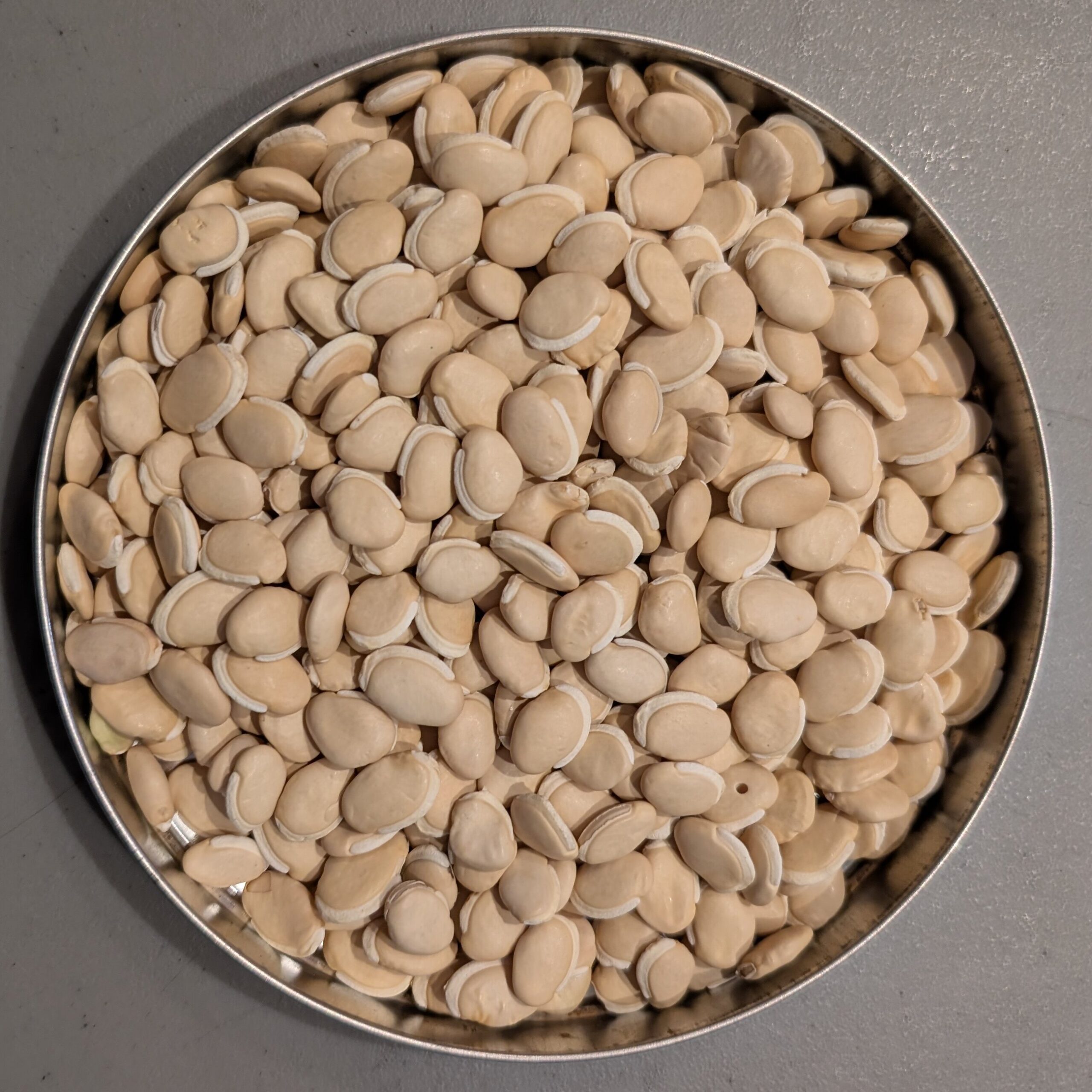
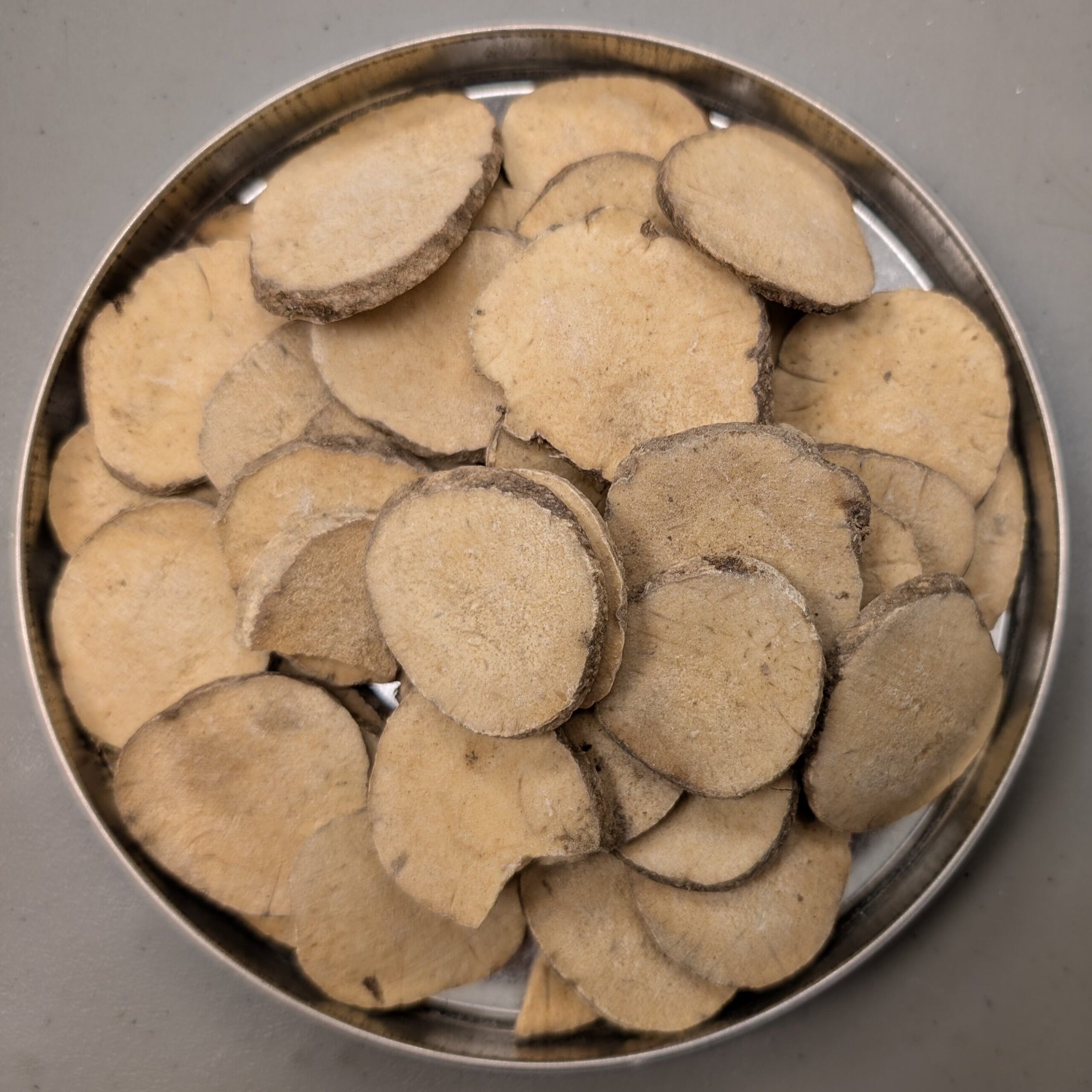
Shan Yao
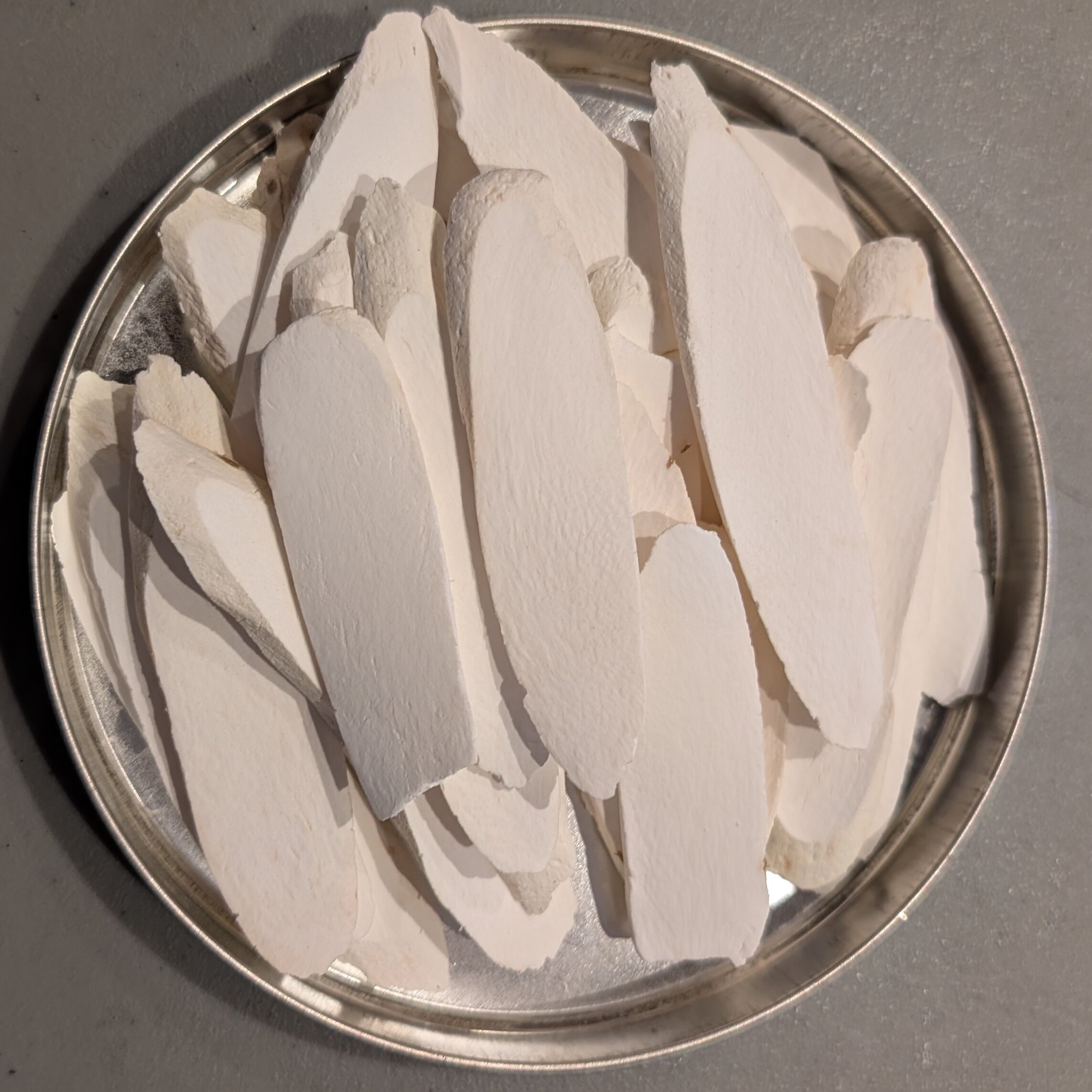
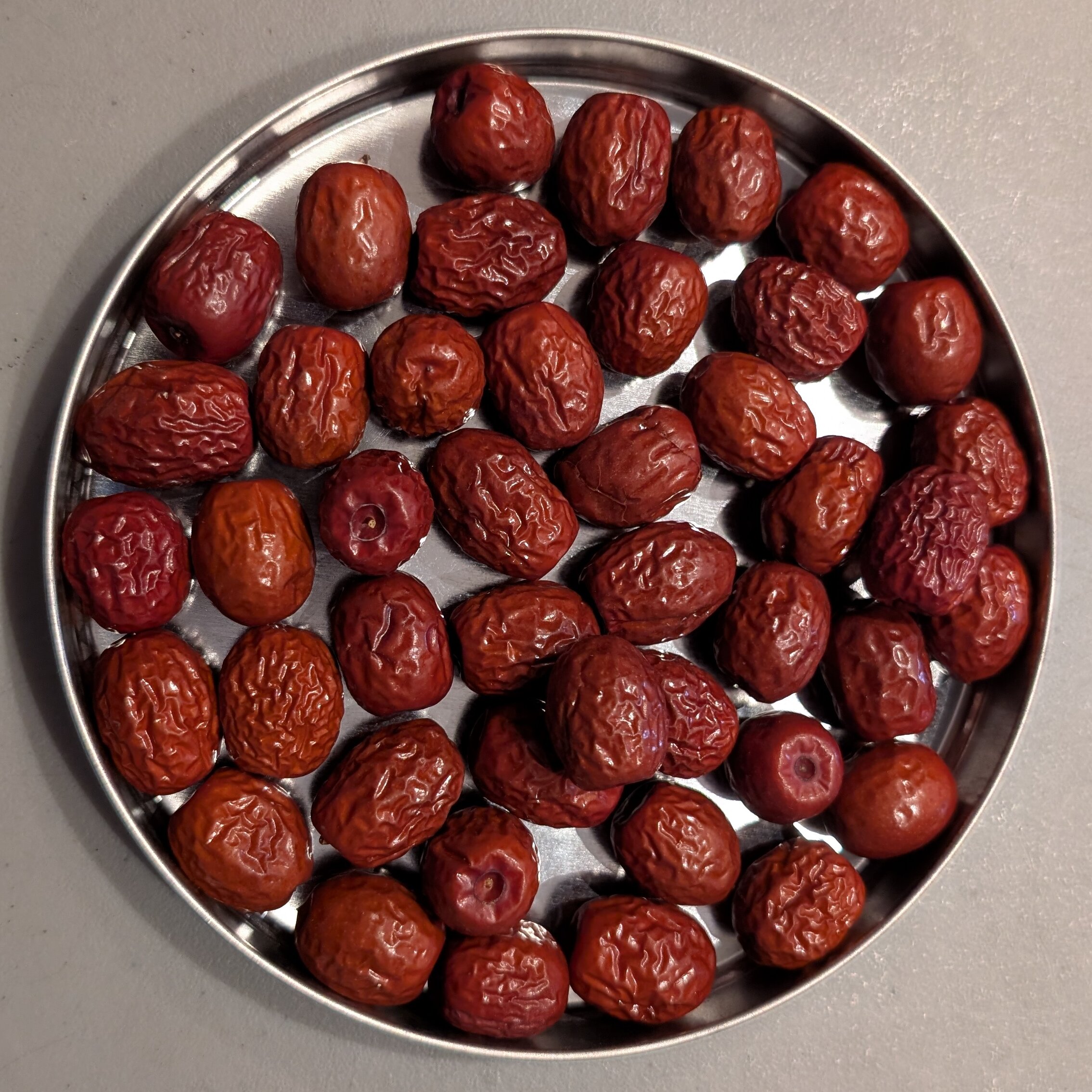
Da Zao
Gan Cao
Zhi Gan Cao
Huang Qi